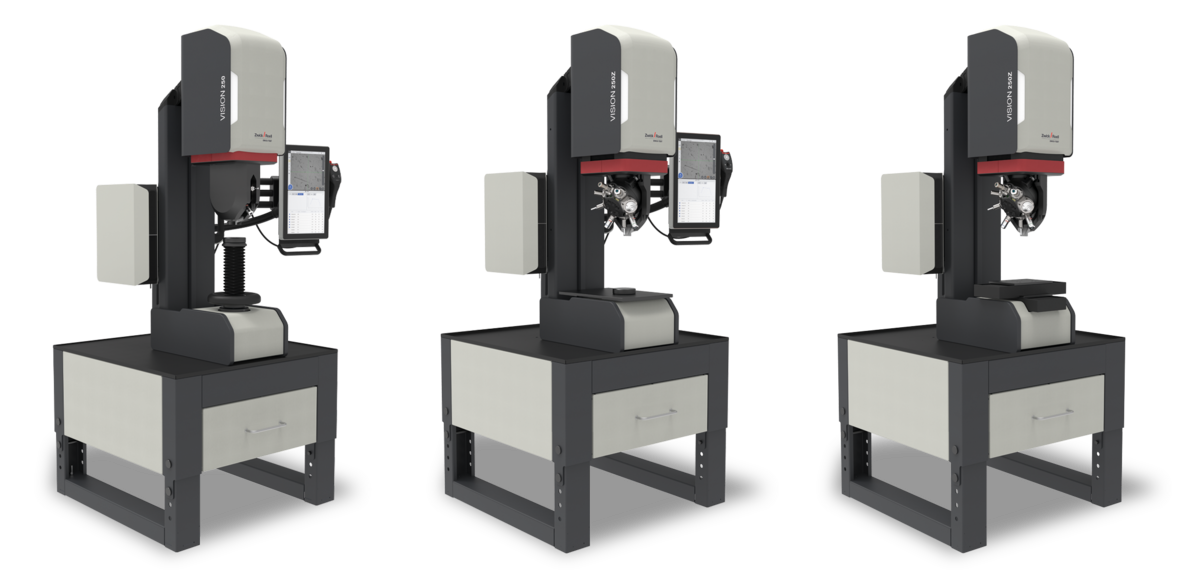
- Appareil d'essai de dureté Micro Vickers
- Appareil d'essai de dureté Vickers
- Capteur de dureté Vickers
- Appareil d'essai de dureté Rockwell
- Appareil d'essai de dureté Brinell
- Appareil de dureté Leeb
- Appareil de mesure de la dureté Shore
- Testeur de dureté Webster
- Appareil de mesure de la dureté Barcol
- Barre d'essai de dureté



Coating Hardness Testing: Methods, Standards and Industrial Applications


Introduction to Coating Hardness Testing
Coating hardness testing is an essential process used to evaluate the mechanical performance of protective, decorative, and functional coatings. Hardness is one of the most important coating properties because it directly influences wear resistance, scratch resistance, durability, and service life.
Modern coatings are used in a wide range of industries, including automotive manufacturing, aerospace engineering, electronics, tooling, medical devices, and industrial equipment. To ensure these coatings perform as expected, manufacturers rely on coating hardness testing to verify quality, optimize production processes, and meet industry standards.
Whether testing a thin PVD coating on a cutting tool or a protective paint layer on industrial machinery, coating hardness testing provides valuable insight into coating performance.
What Is Coating Hardness Testing?
Définition et objectif
Coating hardness testing is the process of measuring a coating’s resistance to indentation, penetration, scratching, or deformation under controlled conditions.
The primary goals include:
- Evaluating coating quality
- Verifying manufacturing consistency
- Comparing coating materials
- Supporting product development
- Assessing wear resistance
- Ensuring compliance with specifications
Importance of Coating Hardness
Hardness significantly affects:
- Scratch resistance
- Abrasion resistance
- Impact performance
- Surface durability
- Service life
A coating with insufficient hardness may fail prematurely, leading to increased maintenance costs and reduced product reliability.

Principles of Coating Hardness Testing
Resistance to Indentation and Scratching
Most coating hardness tests evaluate how effectively a coating resists permanent deformation caused by a specified force.
Hard coatings generally:
- Produce smaller indentations
- Resist scratching
- Exhibit better wear performance
Relationship Between Hardness and Durability
Although hardness alone does not determine coating quality, it often correlates with:
- Wear resistance
- Surface protection
- Long-term durability
Factors Affecting Coating Hardness
Several variables influence hardness measurements:
- Coating composition
- Thickness
- Curing process
- Surface finish
- Substrate properties
Common Coating Hardness Testing Methods
Vickers Coating Hardness Testing
The Vickers method uses a diamond pyramid indenter to create a microscopic indentation.
Les avantages sont les suivants
- Haute précision
- Wide hardness range
- Suitable for many coating types
Results are reported as HV values.
Knoop Coating Hardness Testing
Knoop testing uses an elongated diamond indenter that creates a shallow indentation.
Les avantages comprennent
- Ideal for thin coatings
- Reduced substrate influence
- Excellent for brittle coatings
Results are reported as HK values.
Nanoindentation Testing
Nanoindentation measures hardness at the nanometer scale and is widely used for:
- Couches minces
- PVD coatings
- CVD coatings
- Semiconductor materials
It can also determine elastic modulus and other mechanical properties.
Pencil Hardness Testing
Pencil hardness testing evaluates scratch resistance using pencils of varying hardness grades.
Commonly used for:
- Paints
- Decorative coatings
- Consumer products
Scratch Hardness Testing
Scratch testing measures the force required to damage or remove a coating.
Les applications comprennent
- Adhesion evaluation
- Wear resistance assessment
- Coating qualification
Coating Hardness Testing Equipment
Testeurs de microdureté
Microhardness systems are commonly used for:
- Thin coatings
- Traitements de surface
- Precision measurements
Nanoindentation Systems
Nanoindenters provide:
- Ultra-low force control
- Nanometer-scale measurements
- Advanced material characterization
Pencil Hardness Test Kits
These simple systems provide cost-effective hardness evaluation for paints and organic coatings.
Automated Hardness Testing Systems
Modern automated solutions offer:
- Digital imaging
- Auto-focus capability
- Analyse statistique
- Automated reporting
Coating Hardness Testing Procedure
Préparation de l'échantillon
Proper preparation ensures accurate measurements.
The surface should be:
- Clean
- Dry
- Lisse
- Free from contaminants
Selecting the Appropriate Test Method
Method selection depends on:
- Coating thickness
- Type de matériau
- Required accuracy
- Industry requirements
Performing the Test
The selected indenter or test device applies a controlled force according to standardized procedures.
Analyzing and Reporting Results
Results are documented and compared against acceptance criteria or product specifications.
Factors Affecting Test Accuracy
Coating Thickness
Thin coatings require low-load methods to minimize substrate effects.
Surface Roughness
Rough surfaces can distort measurements and reduce repeatability.
Substrate Influence
The hardness of the underlying substrate may affect test results, especially for thin coatings.
Calibration and Verification
Routine calibration improves reliability and compliance.
Advantages of Coating Hardness Testing
Coating hardness testing offers numerous benefits:
- Supports quality control
- Improves coating selection
- Verifies manufacturing consistency
- Predicts wear performance
- Assists failure analysis
- Suitable for many coating types
- Widely standardized
These advantages make hardness testing an essential part of coating evaluation.
Limitations of Coating Hardness Testing
Despite its usefulness, limitations include:
- Substrate influence on thin coatings
- Requires proper surface preparation
- Different methods use different scales
- Localized measurements only
- Specialized equipment may be costly
Understanding these limitations helps ensure meaningful results.
Applications of Hardness Testing
PVD and CVD Coatings
Used to evaluate:
- Cutting tool coatings
- Wear-resistant surfaces
- Functional thin films
Industrial Protective Coatings
Les applications comprennent
- Corrosion protection
- Industrial machinery
- Structural components
Automotive Finishes
Manufacturers test:
- Paint systems
- Clear coats
- Decorative finishes
Aerospace Surface Treatments
Aerospace coatings require strict hardness verification to ensure performance and durability.
Electronic and Semiconductor Coatings
Nanoindentation is widely used for advanced electronic materials and thin-film technologies.
Normes et conformité de l'industrie
Common standards for coating hardness testing include:
- ASTM E384
- ASTM D3363 (Pencil Hardness)
- ASTM C1327
- ISO 6507
- ISO 15184
- ISO 14577
Official references:
Compliance ensures reliable and internationally recognized results.
Questions fréquemment posées
1. What is hardness testing?
It is the process of measuring a coating’s resistance to indentation, scratching, or deformation.
2. Which hardness test is best for thin coatings?
Knoop testing and nanoindentation are commonly preferred for very thin coatings.
3. What is pencil hardness testing used for?
It is primarily used to evaluate the scratch resistance of paints and organic coatings.
4. Can coating hardness testing measure wear resistance?
Hardness is often correlated with wear resistance, although additional testing may be required.
5. Why does substrate hardness matter?
For thin coatings, the substrate can influence indentation measurements and affect accuracy.
6. Which industries use coating hardness testing?
Automotive, aerospace, electronics, tooling, medical devices, and industrial manufacturing industries.
Conclusion
Coating hardness testing is a critical tool for evaluating the durability, wear resistance, and overall quality of coatings used in modern industries. By utilizing methods such as Vickers, Knoop, nanoindentation, pencil hardness, and scratch testing, engineers can verify coating performance and ensure products meet demanding operational requirements.
As coating technologies continue to evolve, coating hardness testing will remain an essential part of quality control, materials development, and performance verification.