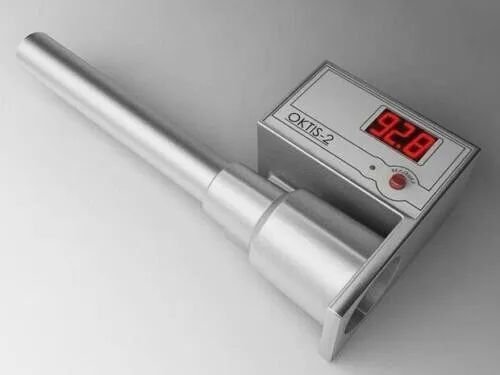
Durómetro Digital: Guía completa de soluciones modernas para ensayos de materiales

Introducción al ensayo de dureza digital
Los ensayos de materiales han evolucionado considerablemente en las últimas décadas, y la tecnología digital ha desempeñado un papel fundamental en la mejora de la precisión, la eficacia y la gestión de datos. A durómetro digital combina los principios tradicionales de medición de la dureza con la electrónica avanzada, el análisis automatizado y el software inteligente para proporcionar resultados de ensayo fiables y repetibles.
Estos sistemas se utilizan ampliamente en instalaciones de fabricación, laboratorios, centros de investigación y departamentos de control de calidad. Ayudan a los ingenieros a verificar las propiedades de los materiales, controlar la calidad de la producción y garantizar el cumplimiento de las normas industriales.
A medida que las industrias adoptan cada vez más la automatización y las prácticas de fabricación inteligentes, las soluciones de pruebas digitales se han convertido en herramientas indispensables para los programas modernos de garantía de calidad.
Por qué la tecnología digital está transformando la medición de la dureza
Mayor precisión y coherencia
Los métodos de ensayo manuales tradicionales suelen depender en gran medida de la destreza del operario. Los sistemas digitales reducen el error humano gracias al control automatizado de la carga, el reconocimiento óptico y los cálculos informatizados.
Las ventajas incluyen:
- Mayor precisión de medición
- Mejor repetibilidad
- Menor influencia del operador
- Resultados más coherentes
Estas mejoras son especialmente importantes en industrias en las que deben mantenerse estrictos requisitos de calidad.
Procesos de inspección más rápidos
La automatización permite ciclos de pruebas más rápidos y la generación inmediata de resultados. Esto permite a los equipos de producción identificar rápidamente los problemas y tomar medidas correctoras antes de que los defectos resulten costosos.
¿Qué es un durómetro digital?
Definición y funciones básicas
A durómetro digital es un instrumento electrónico diseñado para medir la resistencia de un material a la indentación o la deformación. Registra y analiza automáticamente los datos del ensayo, lo que hace que la evaluación de la dureza sea más eficaz que los métodos manuales tradicionales.
Las funciones más comunes son:
- Aplicación automática de la carga
- Medición digital
- Cálculo del valor de dureza
- Almacenamiento de datos
- Análisis estadístico
- Generación de informes
Cómo funciona la prueba de dureza digital
Aunque los distintos métodos de prueba utilizan principios diferentes, la mayoría de los sistemas siguen un proceso similar:
- Colocar la muestra
- Aplicar una carga controlada
- Crear una sangría
- Mida la indentación electrónicamente
- Visualización y almacenamiento de resultados
Este proceso minimiza la variabilidad y mejora la productividad.
Escalas de dureza habituales admitidas
La mayoría de los sistemas modernos admiten varias escalas de dureza, entre ellas:
- HRC (Rockwell C)
- HRB (Rockwell B)
- HBW (Brinell)
- HV (Vickers)
- HK (Knoop)
- HL (Leeb)
Muchos dispositivos también ofrecen funciones de conversión automática de la dureza.
Tipos de durómetros digitales
Comprobadores Rockwell digitales
Los sistemas Rockwell miden la profundidad de indentación y proporcionan lecturas directas de la dureza.
Los beneficios incluyen:
- Rápida velocidad de prueba
- Alta productividad
- Funcionamiento sencillo
- Excelente repetibilidad
Estos sistemas se utilizan habitualmente para el acero y los materiales tratados térmicamente.
Comprobadores Brinell digitales
El ensayo Brinell utiliza un indentador de bola de carburo de tungsteno y tecnología de imagen digital para medir el diámetro de la indentación.
Las aplicaciones incluyen:
- Hierro fundido
- Componentes forjados
- Acero estructural
- Piezas industriales pesadas
Comprobadores Vickers digitales
Los sistemas Vickers utilizan un penetrador piramidal de diamante y una medición óptica de alta resolución.
Las ventajas incluyen:
- Alta precisión
- Amplia gama de cargas
- Pruebas de materiales finos
- Análisis metalográfico
Microdurómetros digitales
Los sistemas de microdureza están diseñados para:
- Recubrimientos superficiales
- Capas finas
- Componentes electrónicos
- Estudios microestructurales
El análisis automatizado de imágenes mejora considerablemente la precisión de las mediciones.
Durómetros digitales portátiles
Las unidades portátiles combinan movilidad con funcionalidad digital.
Las aplicaciones más comunes son:
- Inspección de tuberías
- Recipientes a presión
- Grandes máquinas
- Mantenimiento del campo
Características principales de los comprobadores digitales modernos
Interfaces táctiles
Los sistemas modernos suelen incorporar pantallas táctiles intuitivas que simplifican el manejo y mejoran la experiencia del usuario.
Tecnología de medición automatizada
El software avanzado de reconocimiento de imágenes puede detectar y medir automáticamente las muescas, lo que reduce el tiempo de inspección y la variabilidad del operario.
Almacenamiento de datos e informes
Muchos sistemas incluyen:
- Memoria interna
- Herramientas de análisis estadístico
- Generación automática de informes
- Seguimiento del historial de pruebas
Estas funciones mejoran la trazabilidad y la documentación.
Conectividad e integración de software
Los equipos modernos pueden ser compatibles:
- Exportación USB
- Conexiones Ethernet
- Comunicación Wi-Fi
- Sistemas de información de laboratorio
- Gestión de datos en la nube
Estas funciones agilizan los procesos de gestión de la calidad.

Materiales probados habitualmente
Acero y acero inoxidable
Los ensayos de dureza ayudan a verificar la solidez, la resistencia al desgaste y la calidad del tratamiento térmico.
Aleaciones de aluminio y cobre
Los materiales ligeros utilizados en el transporte y la electrónica requieren a menudo una verificación de la dureza.
Componentes de hierro fundido
Las grandes piezas de fundición industrial se benefician de una medición precisa de la dureza durante toda la producción.
Materiales recubiertos
Los ensayos de microdureza ayudan a evaluar el grosor del revestimiento, la adherencia y las características de rendimiento.
Aplicaciones industriales
Control de calidad de la fabricación
Las instalaciones de producción utilizan sistemas de pruebas digitales para mantener una calidad constante y reducir los defectos.
Industria del automóvil
Las aplicaciones incluyen:
- Engranajes
- Rodamientos
- Componentes del motor
- Ejes de transmisión
- Sistemas de transmisión
Ingeniería aeroespacial
Los materiales aeronáuticos requieren pruebas precisas para cumplir estrictos requisitos de rendimiento y seguridad.
Laboratorios de investigación y ensayo
Los investigadores utilizan sistemas digitales para el desarrollo de materiales, estudios metalúrgicos y optimización de procesos.
Ventajas de utilizar un durómetro digital
Los equipos de ensayo modernos ofrecen numerosas ventajas:
- Gran precisión de medición
- Ciclos de pruebas más rápidos
- Repetibilidad mejorada
- Cálculos automatizados
- Documentación digital
- Mejor trazabilidad
- Menor influencia del operador
Estas ventajas contribuyen a una mayor productividad y a un control de calidad más fiable.
Factores a tener en cuenta al comprar
Seleccionar el equipo adecuado requiere una evaluación cuidadosa.
Método de ensayo
Elija un método que se adapte a los materiales y aplicaciones en cuestión.
Precisión de la medición
Puede ser necesaria una mayor precisión para aplicaciones de laboratorio o aeroespaciales.
Requisitos de automatización
Los sistemas automatizados mejoran la eficacia en entornos de producción de gran volumen.
Funciones de software
Evaluar las funciones de elaboración de informes, gestión de datos e integración.
Consideraciones presupuestarias
Considéralo:
- Precio de compra inicial
- Gastos de mantenimiento
- Requisitos de calibración
- Gastos de licencias de software
Una evaluación equilibrada ayuda a maximizar el valor a largo plazo.
Buenas prácticas de mantenimiento y calibración
Para garantizar un rendimiento preciso:
- Verificar los resultados utilizando bloques de dureza certificados
- Siga los programas de calibración recomendados
- Mantener limpios los componentes ópticos
- Actualizar el software cuando sea necesario
- Documentar las actividades de mantenimiento
Un mantenimiento regular ayuda a preservar la precisión y la longevidad del equipo.

Normas y cumplimiento de la industria
Los equipos digitales de ensayo de dureza suelen seguir normas reconocidas internacionalmente, como:
- ASTM E18
- ASTM E10
- ASTM E384
- ISO 6506
- ISO 6507
- ISO 6508
Para más información, visite
El cumplimiento de estas normas garantiza unos resultados fiables y aceptados en todo el mundo.
Preguntas frecuentes
1. ¿Para qué sirve un durómetro digital?
Mide la resistencia de un material a la indentación y proporciona resultados de dureza automatizados y precisos.
2. ¿Cuáles son las ventajas de las pruebas digitales sobre las pruebas manuales?
Los sistemas digitales mejoran la precisión, la repetibilidad, la eficacia y la gestión de datos.
3. ¿Qué industrias utilizan durómetros digitales?
Fabricación, automoción, aeroespacial, energía, metalurgia y laboratorios de investigación.
4. ¿Pueden los comprobadores digitales almacenar los resultados de las pruebas?
Sí. La mayoría de los sistemas incluyen funciones de almacenamiento interno y elaboración de informes.
5. ¿Son compatibles los sistemas digitales con múltiples escalas de dureza?
Muchas unidades modernas admiten múltiples escalas y funciones de conversión automática.
6. ¿Por qué es importante el calibrado?
La calibración garantiza la precisión de las mediciones y el cumplimiento de las normas del sector.
Conclusión
A durómetro digital representa la próxima generación de tecnología de ensayo de materiales, que combina los principios tradicionales de medición de la dureza con la automatización avanzada y el software inteligente. Estos sistemas ofrecen soluciones de ensayo precisas, repetibles y eficientes que contribuyen a garantizar la calidad en una amplia gama de sectores.
Ya se utilicen para inspecciones de producción, análisis de laboratorio o aplicaciones de investigación, los equipos de ensayo digitales ayudan a las organizaciones a mejorar la productividad, mantener la conformidad y alcanzar mayores niveles de control de calidad. Invertir en tecnología digital moderna puede reportar beneficios a largo plazo gracias a la mejora de la eficiencia, la reducción de errores y una evaluación de materiales más fiable.