Durómetro Digital: 7 Potentes Ventajas y Guía Completa para el Ensayo de Materiales Modernos


Introducción al durómetro digital
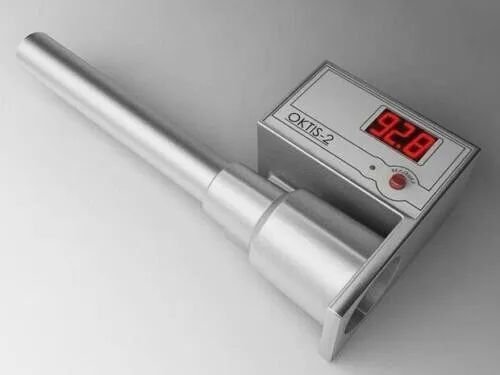
A durómetro digital is an advanced material testing instrument used to measure the hardness of metals, alloys, plastics, and other engineering materials with high accuracy. Unlike traditional mechanical testers, digital hardness testers utilize electronic sensors, digital displays, and automated measurement systems to provide fast and precise hardness values.
Los ensayos de dureza desempeñan un papel fundamental en quality control, material verification, and production monitoring across many industries. Engineers use hardness values to determine the strength, wear resistance, and durability of materials used in manufacturing.
Digital hardness testers have become widely adopted because they offer improved accuracy, reduced human error, automatic calculations, and easy data recording. These instruments are commonly used in metallurgical laboratories, automotive manufacturing, aerospace industries, steel plants, and research institutions.
In modern industrial environments, digital hardness testing ensures that materials meet strict engineering specifications and international standards, helping manufacturers maintain product reliability and safety.
What is a Digital Hardness Tester?
A durómetro digital is a testing device that determines a material’s resistance to indentation or deformation using an indenter under a controlled load. The machine then calculates hardness values automatically and displays them on a digital screen.
The main purpose of hardness testing is to evaluate how well a material can resist:
- Permanent deformation
- Abrasion or wear
- Scratching or indentation
Because hardness is closely related to other mechanical properties such as tensile strength and fatigue resistance, hardness testing is often used as a quick indicator of material performance.
Modern digital hardness testers include microprocessors, electronic load systems, optical measurement technology, and automated software, making them far more efficient than older manual testers.
How a Digital Hardness Tester Works
The operation of a digital hardness tester follows a standardized procedure used in materials engineering.
Step 1: Specimen Preparation
The material sample must have a smooth, clean surface to ensure accurate indentation measurements.
Step 2: Load Application
A specific test load is applied to the material using an indenter. The load may range from small micro-loads to several thousand kilograms depending on the testing method.
Step 3: Indentation Creation
The indenter presses into the material surface, creating a small indentation.
Step 4: Measurement
Digital sensors or optical systems measure the depth or size of the indentation.
Step 5: Hardness Calculation
The machine automatically calculates the hardness value based on standard formulas and displays it digitally.
Some digital hardness testers can also store test results, generate reports, and connect to computers or laboratory software systems.
Major Types of Digital Hardness Testers
Digital hardness testers are available in several types depending on the testing method used.
Durómetro digital Rockwell
The Rockwell hardness tester is one of the most commonly used industrial testing machines.
Working Principle
Hardness is determined by measuring the profundidad de la hendidura under two loads:
- Minor load (initial load)
- Major load (test load)
The difference between the two penetration depths determines the hardness value.
Ventajas
- Proceso de prueba rápido
- Lecturas directas de la dureza
- Influencia mínima del operador
Aplicaciones comunes
- Heat-treated steel testing
- Automotive components
- Machine parts and tools
Durómetro Brinell digital
Brinell hardness testing is widely used for large metal parts and cast materials.
Método de ensayo
A penetrador de bola de carburo de tungsteno presses into the surface under a heavy load. The machine measures the diameter of the indentation.
Ventajas
- Ideal for coarse-grained metals
- Accurate for large components
Typical Uses
- Cast iron testing
- Forgings and structural steel
- Heavy industrial machinery
Durómetro digital Vickers
The Vickers hardness tester is known for its high precision and versatility.
Método de ensayo
A penetrador piramidal de diamante creates an indentation whose diagonal lengths are measured using optical sensors.
Beneficios
- Suitable for both soft and hard materials
- Accurate for thin materials
- Amplia gama de cargas
Aplicaciones
- Metallurgical research
- Análisis del revestimiento
- Microstructure testing
Micro Digital Hardness Tester
Micro hardness testers operate at very small loads, allowing engineers to test tiny components or thin materials.
Aplicaciones
- Semiconductor components
- Revestimientos finos
- Small mechanical parts

Key Components of a Digital Hardness Tester
Digital hardness testing machines consist of several important parts that ensure accurate results.
Indentador
El penetrador es el penetrating tool that presses into the material surface. It may be made of:
- Diamond
- Acero endurecido
- Tungsten carbide
Sistema de aplicación de cargas
This system applies the controlled testing force required for the indentation process.
Etapa del espécimen
The specimen stage holds the material sample firmly during testing.
Optical or Electronic Measurement System
Modern testers use high-resolution cameras, sensors, or microscopes to measure indentation size.
Digital Display and Software
A digital interface automatically calculates hardness values and displays results instantly.
Ventajas del durómetro digital
Digital hardness testers provide several advantages compared with traditional manual machines.
Alta precisión de medición
Electronic measurement systems eliminate many manual reading errors.
Fast Testing
Results are displayed instantly without manual calculations.
User-Friendly Operation
Modern machines feature touchscreen interfaces and automated testing programs.
Almacenamiento de datos e informes
Digital systems can store thousands of test results and export them to computers.
Reduced Human Error
Automation ensures consistent testing procedures.
Versatility
Digital hardness testers can measure many types of materials using different testing scales.
Applications of Digital Hardness Testers
Digital hardness testers are used across a wide range of industries.
Automotive Industry 🚗
Used to test the hardness of:
- Componentes del motor
- Gear systems
- Piezas de la transmisión
Aerospace Industry ✈️
Hardness testing ensures the reliability of aircraft alloys and structural components.
Steel and Metallurgy Industry
Manufacturers test raw metals and finished products to verify heat treatment results.
Sector manufacturero
Hardness testers help maintain product quality in machinery, tools, and industrial components.
Investigación y desarrollo
Laboratories use digital hardness testers to study material properties and innovations.
Factors Affecting Hardness Test Results
To achieve accurate hardness measurements, several factors must be controlled.
Estado de la superficie
Rough or dirty surfaces can distort indentation measurements.
Espesor de la muestra
Very thin samples may bend or deform during testing.
Proper Test Load
Using incorrect load values can produce inaccurate hardness readings.
Calibración
Regular calibration using standard test blocks is necessary.
Standards for Hardness Testing
Hardness testing must comply with international standards to ensure reliable results.
Common standards include:
- ASTM Internacional hardness testing standards
- ISO hardness testing standards
- DIN industrial standards
For example, hardness testing procedures are standardized by organizations such as
ASTM International and
International Organization for Standardization.
These standards ensure consistency in hardness measurement across laboratories and industries worldwide.
Tendencias futuras en los ensayos digitales de dureza
Technology continues to improve digital hardness testing equipment.
Sistemas de ensayo automatizados
Fully automated machines can test multiple samples without operator intervention.
Artificial Intelligence Integration
AI systems may analyze hardness data and predict material performance trends.
Smart Factory Integration
Digital hardness testers can connect to Industry 4.0 manufacturing systems for real-time quality monitoring.
Durómetros digitales portátiles
Compact handheld devices allow technicians to test hardness directly on large equipment or structures.
Preguntas más frecuentes (FAQ)
1. What does a digital hardness tester measure?
A digital hardness tester measures a material’s resistance to hendiduras, arañazos o deformaciones under a controlled load.
2. Which materials can be tested using digital hardness testers?
These machines can test metales, aleaciones, plásticos, cerámicas y revestimientos depending on the testing method.
3. What are the common hardness scales?
Common hardness scales include Rockwell (HR), Brinell (HB), and Vickers (HV).
4. Why is hardness testing important in manufacturing?
Hardness testing helps verify material strength, ensures quality control, and confirms proper heat treatment processes.
5. Are digital hardness testers more accurate than manual testers?
Yes, digital hardness testers reduce human error and provide more precise and consistent results.
6. ¿Con qué frecuencia se debe calibrar un durómetro?
Calibration should typically be performed regularly using certified hardness test blocks to maintain accuracy.
Conclusión
En durómetro digital is an essential instrument in modern materials testing and quality control. By providing fast, accurate, and automated hardness measurements, these machines help industries ensure that materials meet strict engineering standards.
With applications across automotive, aerospace, metallurgy, manufacturing, and research, digital hardness testers play a vital role in verifying material durability and reliability. As technology advances, new innovations such as automated testing systems, smart factory integration, and portable testing devices will continue to improve the efficiency and accuracy of hardness testing.
For industries focused on quality, safety, and performance, investing in digital hardness testing technology remains a crucial step toward maintaining high manufacturing standards.