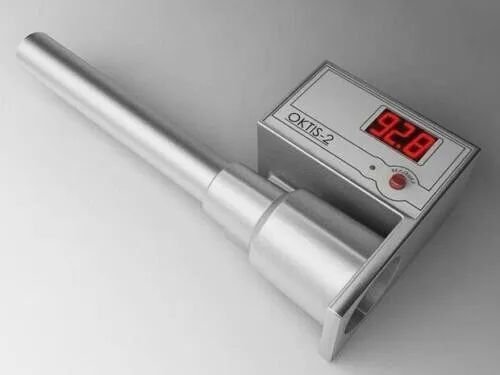
Digital Hardness Tester: Complete Guide to Modern Material Testing Solutions

Introduction to Digital Hardness Testing
Material testing has evolved significantly over the past few decades, and digital technology has played a major role in improving accuracy, efficiency, and data management. A Digitales Härteprüfgerät combines traditional hardness measurement principles with advanced electronics, automated analysis, and intelligent software to provide reliable and repeatable testing results.
These systems are widely used in manufacturing facilities, laboratories, research centers, and quality control departments. They help engineers verify material properties, monitor production quality, and ensure compliance with industry standards.
As industries increasingly adopt automation and smart manufacturing practices, digital testing solutions have become indispensable tools for modern quality assurance programs.
Why Digital Technology Is Transforming Hardness Measurement
Increased Accuracy and Consistency
Traditional manual testing methods often depend heavily on operator skill. Digital systems reduce human error through automated load control, optical recognition, and computerized calculations.
Zu den Vorteilen gehören:
- Improved measurement precision
- Better repeatability
- Geringerer Einfluss des Bedieners
- More consistent results
These improvements are particularly important in industries where strict quality requirements must be maintained.
Faster Inspection Processes
Automation enables faster testing cycles and immediate result generation. This allows production teams to identify issues quickly and take corrective action before defects become costly.
What Is a Digital Hardness Tester?
Definition and Core Functions
A Digitales Härteprüfgerät is an electronic instrument designed to measure a material’s resistance to indentation or deformation. It automatically records and analyzes test data, making hardness evaluation more efficient than traditional manual methods.
Common functions include:
- Automatic load application
- Digital measurement
- Hardness value calculation
- Datenspeicherung
- Statistische Analyse
- Erstellung von Berichten
How Digital Hardness Testing Works
Although different testing methods use different principles, most systems follow a similar process:
- Position the sample
- Apply a controlled load
- Create an indentation
- Measure the indentation electronically
- Display and store results
This process minimizes variability and improves productivity.
Common Hardness Scales Supported
Most modern systems support multiple hardness scales, including:
- HRC (Rockwell C)
- HRB (Rockwell B)
- HBW (Brinell)
- HV (Vickers)
- HK (Knoop)
- HL (Leeb)
Many devices also provide automatic hardness conversion functions.
Types of Digital Hardness Tester Systems
Digital Rockwell Testers
Rockwell systems measure indentation depth and provide direct hardness readings.
Zu den Vorteilen gehören:
- Schnelle Testgeschwindigkeit
- High productivity
- Einfache Bedienung
- Ausgezeichnete Wiederholbarkeit
These systems are commonly used for steel and heat-treated materials.
Digital Brinell Testers
Brinell testing uses a tungsten carbide ball indenter and digital imaging technology to measure indentation diameter.
Die Anwendungen umfassen:
- Gusseisen
- Geschmiedete Komponenten
- Konstruktionsstahl
- Heavy industrial parts
Digital Vickers Testers
Vickers systems use a diamond pyramid indenter and high-resolution optical measurement.
Zu den Vorteilen gehören:
- Hohe Präzision
- Broad load range
- Testen von dünnem Material
- Metallographische Analyse
Digitale Mikrohärteprüfgeräte
Microhardness systems are designed for:
- Oberflächenbeschichtungen
- Thin layers
- Elektronische Komponenten
- Microstructural studies
Automated image analysis significantly improves measurement accuracy.
Tragbare digitale Härteprüfgeräte
Portable units combine mobility with digital functionality.
Zu den üblichen Anwendungen gehören:
- Pipeline inspection
- Druckbehälter
- Große Maschinen
- Field maintenance
Key Features of Modern Digital Testers
Touchscreen Interfaces
Modern systems often feature intuitive touchscreen displays that simplify operation and improve user experience.
Automated Measurement Technology
Advanced image recognition software can automatically detect and measure indentations, reducing inspection time and operator variability.
Datenspeicherung und Berichterstattung
Many systems include:
These capabilities enhance traceability and documentation.
Connectivity and Software Integration
Modern equipment may support:
- USB export
- Ethernet connections
- Wi-Fi communication
- Laboratory information systems
- Cloud-based data management
These features streamline quality management processes.

Üblich getestete Materialien
Stahl und rostfreier Stahl
Hardness testing helps verify strength, wear resistance, and heat treatment quality.
Aluminum and Copper Alloys
Lightweight materials used in transportation and electronics often require hardness verification.
Cast Iron Components
Large industrial castings benefit from accurate hardness measurement throughout production.
Surface-Coated Materials
Microhardness testing helps evaluate coating thickness, adhesion, and performance characteristics.
Industrielle Anwendungen
Manufacturing Quality Control
Production facilities use digital testing systems to maintain consistent quality and reduce defects.
Autoindustrie
Die Anwendungen umfassen:
- Zahnräder
- Lager
- Motorkomponenten
- Drive shafts
- Transmission systems
Luft- und Raumfahrttechnik
Aircraft materials require precise testing to meet strict performance and safety requirements.
Research and Testing Laboratories
Researchers use digital systems for material development, metallurgical studies, and process optimization.
Benefits of Using a Digital Hardness Tester
Modern testing equipment offers numerous advantages:
- Hohe Messgenauigkeit
- Schnellere Testzyklen
- Verbesserte Wiederholbarkeit
- Automatisierte Berechnungen
- Digitale Dokumentation
- Better traceability
- Geringerer Einfluss des Bedieners
These benefits contribute to higher productivity and more reliable quality control.
Factors to Consider When Buying
Selecting the right equipment requires careful evaluation.
Testmethode
Choose a method that matches the materials and applications involved.
Measurement Accuracy
Higher precision may be necessary for laboratory or aerospace applications.
Anforderungen an die Automatisierung
Automated systems improve efficiency in high-volume production environments.
Softwarefunktionen
Evaluate reporting, data management, and integration functions.
Budget Überlegungen
Bedenken Sie:
- Initial purchase price
- Maintenance costs
- Calibration requirements
- Software licensing expenses
A balanced evaluation helps maximize long-term value.
Maintenance and Calibration Best Practices
To ensure accurate performance:
- Verify results using certified hardness blocks
- Follow recommended calibration schedules
- Keep optical components clean
- Update software when necessary
- Document maintenance activities
Regular maintenance helps preserve accuracy and equipment longevity.

Industriestandards und Compliance
Digital hardness testing equipment typically follows internationally recognized standards such as:
- ASTM E18
- ASTM E10
- ASTM E384
- ISO 6506
- ISO 6507
- ISO 6508
For additional information, visit:
Compliance with these standards ensures reliable and globally accepted testing results.
Häufig gestellte Fragen
1. What is a digital hardness tester used for?
It measures a material’s resistance to indentation and provides automated, accurate hardness results.
2. What are the advantages of digital testing over manual testing?
Digital systems improve accuracy, repeatability, efficiency, and data management.
3. Which industries use digital hardness testers?
Manufacturing, automotive, aerospace, energy, metallurgy, and research laboratories.
4. Can digital testers store test results?
Yes. Most systems include internal storage and reporting capabilities.
5. Do digital systems support multiple hardness scales?
Many modern units support multiple scales and automatic conversion functions.
6. Why is calibration important?
Die Kalibrierung gewährleistet die Messgenauigkeit und die Einhaltung von Industriestandards.
Fazit
A Digitales Härteprüfgerät represents the next generation of material testing technology, combining traditional hardness measurement principles with advanced automation and intelligent software. These systems provide accurate, repeatable, and efficient testing solutions that support quality assurance across a wide range of industries.
Whether used for production inspections, laboratory analysis, or research applications, digital testing equipment helps organizations improve productivity, maintain compliance, and achieve higher standards of quality control. Investing in modern digital technology can deliver long-term benefits through improved efficiency, reduced errors, and more reliable material evaluation.