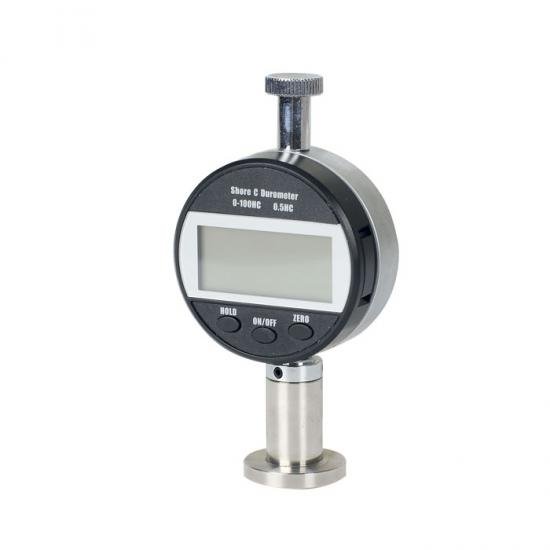
Surface Hardness Testing: Methods, Equipment and Industrial Applications


Introduction to Surface Hardness Testing
Surface hardness testing is a critical materials evaluation technique used to measure the hardness of a material’s outer layer. Unlike bulk hardness testing, which evaluates the overall hardness of a specimen, surface hardness testing focuses specifically on the properties of the surface region where wear, friction, impact, and environmental exposure occur.
Many engineering components undergo surface treatments such as carburizing, nitriding, induction hardening, or coating applications to improve durability and wear resistance. Surface hardness testing helps verify the effectiveness of these treatments and ensures that components meet performance specifications.
Today, surface hardness testing is widely used across manufacturing, aerospace, automotive, energy, tooling, and metallurgical industries.
What Is Surface Hardness Testing?
Definition und Zweck
Surface hardness testing is the process of measuring a material’s resistance to localized surface deformation, indentation, or penetration.
The primary objectives include:
- Evaluating surface treatment effectiveness
- Verifying coating performance
- Assessing wear resistance
- Monitoring manufacturing quality
- Supporting failure investigations
- Ensuring compliance with specifications
Importance in Material Performance
The surface of a component often experiences the highest levels of:
- Reibung
- Abnutzung
- Kontaktbelastung
- Corrosion exposure
As a result, surface hardness is frequently more important than core hardness for many engineering applications.
Principles of Surface Hardness Testing
Surface Resistance to Indentation
Most surface hardness testing methods evaluate how strongly the surface resists penetration by a standardized indenter under a controlled force.
Generally:
- Harder surfaces produce smaller indentations.
- Softer surfaces produce larger indentations.
Relationship Between Surface and Core Hardness
Many engineered components are designed with:
- Hard outer surfaces
- Tough inner cores
This combination improves wear resistance while maintaining structural toughness.
Factors Affecting Surface Hardness
Surface hardness may be influenced by:
- Heat treatment
- Coating thickness
- Material composition
- Manufacturing process
- Surface finishing operations
Common Surface Hardness Testing Methods
Rockwell Surface Hardness Testing
Rockwell superficial scales are specifically designed for:
- Dünne Materialien
- Surface-treated components
- Precision parts
Zu den gängigen Skalen zählen:
- HR15N
- HR30N
- HR45N
Advantages include fast testing and direct readings.
Vickers Surface Hardness Testing
Vickers testing uses a diamond pyramid indenter and is widely used for:
- Surface-hardened layers
- Beschichtungen
- Precision components
Results are reported as HV.
Knoop Surface Hardness Testing
The Knoop method produces shallow indentations, making it ideal for:
Results are reported as HK.
Mikrohärteprüfung
Microhardness methods allow detailed evaluation of:
- Gehäusetiefe
- Hardness gradients
- Thin hardened layers

Portable Surface Hardness Testing Methods
Portable methods include:
- Leeb hardness testing
- UCI hardness testing
These methods are useful for field inspections and large components.
Surface Hardness Testing Equipment
Benchtop Hardness Testers
Laboratory systems include:
- Rockwell testers
- Vickers testers
- Universal hardness testers
Mikrohärteprüfgeräte
Verwendet für:
- Surface layer analysis
- Coating evaluation
- Metallographic studies
Tragbare Härteprüfgeräte
Portable systems provide flexibility for:
- On-site inspections
- Maintenance work
- Large machinery testing
Optische Messsysteme
Advanced imaging systems improve indentation measurement accuracy and repeatability.
Surface Hardness Testing Procedure
Vorbereitung der Probe
Proper preparation is essential.
The surface should be:
- Sauber
- Glatt
- Free from contamination
- Properly polished when necessary
Selecting the Appropriate Test Method
Method selection depends on:
- Material Typ
- Surface layer thickness
- Required accuracy
- Applicable standards
Conducting the Test
The chosen indenter applies force according to the relevant testing standard.
Analyzing and Reporting Results
Results are recorded, verified, and compared with specification requirements.
Surface Hardness Testing for Heat-Treated Materials
Case Hardening
Surface hardness testing verifies the effectiveness of case-hardened components.
Aufkohlen
Carburized parts require hardness evaluation to confirm proper carbon diffusion and hardness levels.
Nitriding
Testing ensures that nitrided layers achieve the required hardness and wear resistance.
Induktionshärten
Surface hardness measurements help confirm process consistency and hardened depth.
Factors Affecting Test Accuracy
Surface Finish
Rough surfaces may distort indentation geometry and affect measurements.
Coating Thickness
Very thin coatings require low-load testing methods to avoid substrate influence.
Einkerbung Größe
The indentation must remain within the surface layer being evaluated.
Calibration and Verification
Routine calibration ensures:
- Accurate results
- Traceability
- Einhaltung von Standards
Advantages of Surface Hardness Testing
Surface hardness testing offers many benefits:
- Verifies surface treatments
- Supports quality control
- Helps predict wear resistance
- Detects manufacturing variations
- Suitable for coatings and hardened layers
- Widely standardized
- Applicable to many materials
These advantages make it a critical part of modern materials evaluation.
Limitations of Surface Hardness Testing
Some limitations include:
- Requires proper surface preparation
- Results can be influenced by substrate properties
- Different methods may yield different scales
- Thin coatings require specialized testing
- Localized measurements may not represent the entire component
Understanding these limitations helps improve test reliability.
Industrielle Anwendungen
Automotive Components
Die Anwendungen umfassen:
- Zahnräder
- Wellen
- Lager
- Camshafts
Aerospace Parts
Critical aerospace components require strict hardness verification to ensure safety and durability.
Tool and Die Manufacturing
Surface hardness directly affects:
- Tool life
- Abriebfestigkeit
- Machining performance
Energy and Oil & Gas Industries
Testing is commonly used for:
- Valves
- Pipelines
- Drilling equipment
- Pressure components
Surface Coating Inspection
Manufacturers use surface hardness testing to evaluate coating quality and performance.
Industriestandards und Compliance
Common standards for Prüfung der Oberflächenhärte include:
- ASTM E18 (Rockwell)
- ASTM E92 (Vickers)
- ASTM E384 (Microhardness)
- ISO 6507 (Vickers)
- ISO 6508 (Rockwell)
- ISO 4545 (Knoop)
Offizielle Quellen:
Compliance ensures accurate, repeatable, and internationally recognized test results.
Häufig gestellte Fragen
1. What is surface hardness testing?
It is the process of measuring the hardness of a material’s outer layer or surface region.
2. Why is surface hardness important?
Surface hardness strongly influences wear resistance, durability, and component lifespan.
3. Which methods are commonly used for surface hardness testing?
Rockwell, Vickers, Knoop, microhardness, Leeb, and UCI methods are commonly used.
4. Can surface hardness testing evaluate coatings?
Yes. Vickers, Knoop, and microhardness methods are particularly suitable for coating evaluation.
5. What industries use surface hardness testing?
Automotive, aerospace, manufacturing, energy, tooling, and metallurgical industries.
6. How does surface hardness differ from core hardness?
Surface hardness measures the outer layer, while core hardness evaluates the material beneath the surface.
Fazit
Surface hardness testing is an essential quality control and material evaluation technique used to assess the hardness of coatings, heat-treated layers, and engineered surfaces. By measuring resistance to surface deformation, manufacturers can verify treatment effectiveness, improve wear performance, and ensure compliance with industry standards.
Whether evaluating carburized gears, nitrided shafts, coated tools, or hardened aerospace components, surface hardness testing provides critical information that supports product reliability, durability, and performance.