




Plastic Hardness Tester: The Ultimate Guide to Accurate Plastic Hardness Testing and Quality Control

Introduction to Plastic Hardness Testers
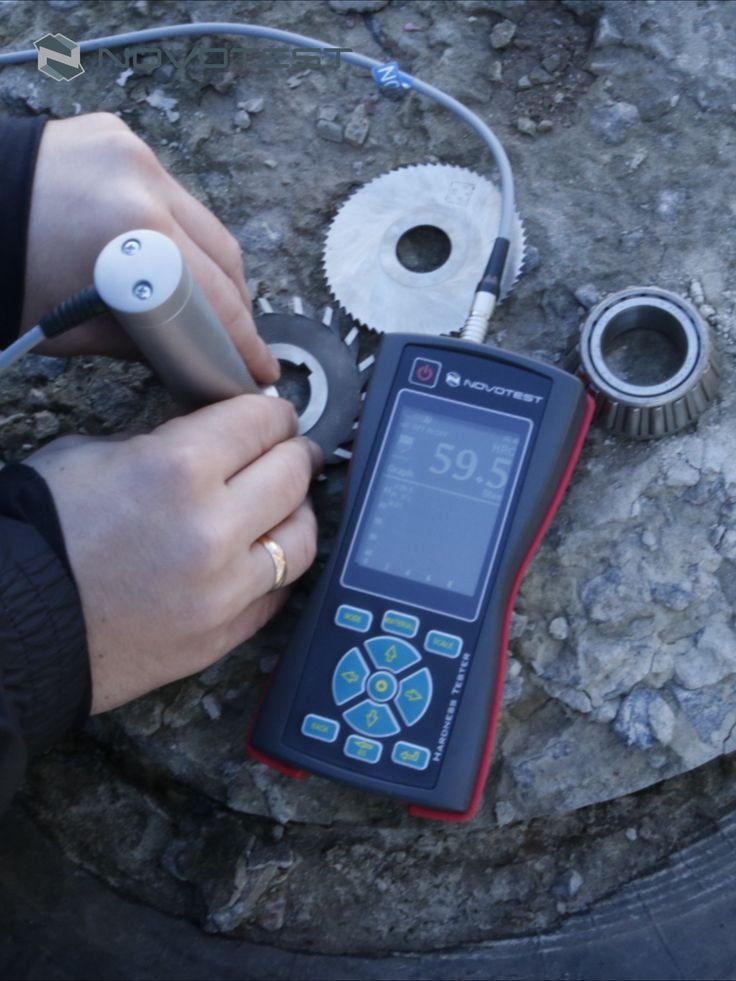
A plastic hardness tester is a specialized instrument designed to measure the resistance of plastic materials to indentation, penetration, or deformation under a controlled force. Hardness is one of the most important mechanical properties of plastics because it directly affects wear resistance, scratch resistance, stiffness, durability, and overall product performance.
Plastic hardness testing is widely used in quality control, material development, product design, and manufacturing across industries such as automotive, medical devices, consumer electronics, packaging, aerospace, and industrial equipment. Whether evaluating flexible elastomers, rigid engineering plastics, or fiber-reinforced composites, selecting the appropriate hardness testing method ensures accurate and repeatable results.
Modern plastic hardness testers combine precision force control, digital sensors, automatic measurement systems, and intelligent software to improve testing efficiency and ensure compliance with international standards.
What Is a Plastic Hardness Tester?
Vymedzenie pojmu a účel
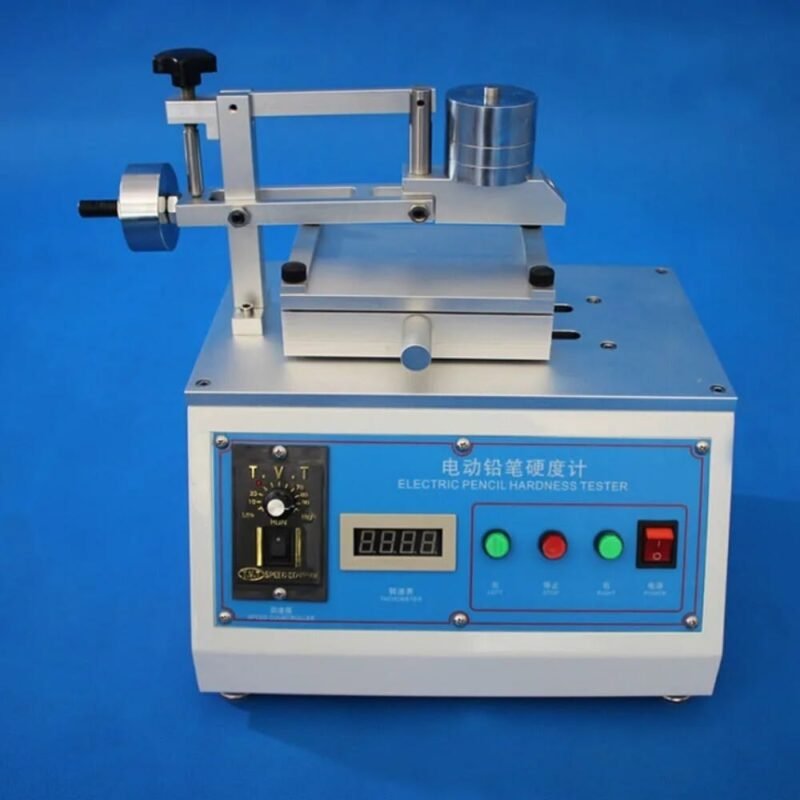
A plastic hardness tester is a testing instrument used to determine the resistance of plastic materials to permanent indentation or penetration. Different test methods and hardness scales are used depending on the material’s flexibility, thickness, and intended application.
Typical purposes include:
- Raw material inspection
- Kontrola kvality výroby
- Product development
- Material comparison
- Validácia procesu
- Analýza porúch
- Kvalifikácia dodávateľov
- Final product certification
Why Plastic Hardness Testing Matters
Skúšky tvrdosti pomáhajú výrobcom overiť:
- Surface durability
- Odolnosť proti opotrebeniu
- Scratch resistance
- Konzistencia materiálu
- Product reliability
- Compliance with specifications
Accurate hardness measurements also support process optimization and help maintain consistent product quality.
Types of Plastic Materials
Thermoplastics
Thermoplastics soften when heated and can be reshaped multiple times. Common examples include:
- Polyethylene (PE)
- Polypropylene (PP)
- Polyvinyl Chloride (PVC)
- Polycarbonate (PC)
- Acrylic (PMMA)
Thermosetting Plastics
Thermosets permanently harden during curing and cannot be remelted.
Examples include:
- Epoxy
- Phenolic resin
- Melamine
- Polyester resin
Elastomers and Soft Polymers
Soft plastics and elastomers require specialized hardness scales.
Examples include:
- Silicone rubber
- Thermoplastic elastomers (TPE)
- Polyurethane
- Natural rubber
Engineering Plastics
Engineering plastics provide higher mechanical strength and dimensional stability.
Typical materials include:
- Nylon (PA)
- PEEK
- Acetal (POM)
- ABS
- PPS
Reinforced Composite Plastics
Fiber-reinforced plastics combine polymer matrices with glass, carbon, or aramid fibers for improved mechanical performance.
Plastic Hardness Testing Methods
Testovanie tvrdosti podľa Shorea
Shore hardness testing is the most common method for plastics and elastomers. It measures the depth of penetration of a standardized indenter under a specified spring force.
Common scales include:
- Pobrežie A – Soft rubbers and flexible plastics
- Pobrežie D – Hard plastics and rigid polymers
- Pobrežie OO – Very soft foams and gels
Typical applications:
- Rubber products
- Plastic tubing
- Seals and gaskets
- Consumer products
Rockwell Hardness Testing for Plastics
Rockwell testing uses controlled loads and indentation depth to measure harder plastics and engineering polymers.
Frequently used Rockwell scales for plastics include:
- Rockwell M
- Rockwell R
- Rockwell L
- Rockwell E
Aplikácie zahŕňajú:
- Injection-molded parts
- Structural plastic components
- Automotive materials
Barcol Hardness Testing
Barcol hardness testing is commonly used for:
- Reinforced plastics
- Composite panels
- Fiberglass
- Thermosetting resins
Portable Barcol testers are widely used in field inspections.
Vickers and Microhardness Testing
Microhardness testing is suitable for:
- Thin plastic sections
- Multi-layer plastics
- Surface-treated polymers
- Výskumné aplikácie
Instrumented Indentation Testing
Instrumented indentation provides additional mechanical properties such as:
- Hardness
- Elastic modulus
- Creep
- Viscoelastic behavior
This method is frequently used in research laboratories and advanced material characterization.
Types of Plastic Hardness Testers
Shore Durometers
Shore durometers are portable instruments available in analog and digital versions for rapid hardness testing.
Bench Rockwell Plastic Hardness Testers
Bench-mounted Rockwell testers provide highly accurate and repeatable measurements for production laboratories.
Microhardness Testers
Microhardness systems evaluate localized hardness in thin sections, layered plastics, and precision components.
Systémy na automatické meranie tvrdosti
Fully automated systems include:
- Servo-riadené zaťaženie
- Automatic sample positioning
- Digital measurement
- Štatistická analýza
- Vytváranie správ
Main Components of a Plastic Hardness Tester
Precision Loading System
Servo-controlled loading systems ensure consistent test forces and repeatable results.
Indenters and Test Probes
Depending on the testing method, instruments may use:
- Oceľové guľové vtlačovače
- Conical indenters
- Shore needles
- Diamond indenters
Digital Measurement System
Modern testers incorporate:
- High-resolution sensors
- Electronic displacement measurement
- Digitálne displeje
- Automatické výpočty tvrdosti
Data Analysis Software
Advanced software provides:
- Štatistická analýza
- Podávanie správ v rámci SPC
- Trend monitoring
- Export do formátu PDF a Excel
- Database management
Key Features of Modern Plastic Hardness Testers
Digital Force Control
Electronic loading systems improve measurement consistency and reduce operator influence.
Automatic Data Collection
Digital instruments automatically record test values, reducing manual errors.
High Repeatability
Precision mechanics and electronic sensors ensure consistent measurements across multiple samples.
Statistical Reporting
Modern systems support:
- Štatistická kontrola procesov (SPC)
- Batch reporting
- Quality trend analysis
- Vysledovateľnosť údajov
Priemyselné aplikácie
Automobilový priemysel
Skontrolujte:
- Interior trim
- Dashboards
- Plastic gears
- Under-the-hood components
Zdravotnícke pomôcky
Zmerajte tvrdosť:
- Catheters
- Syringes
- Surgical instrument handles
- Medical housings
Consumer Electronics
Vyhodnoťte:
- Device housings
- Keypads
- Protective cases
- Konektory
Packaging Industry
Verify hardness of:
- Plastic bottles
- Containers
- Caps
- Packaging films
Aerospace and Industrial Components
Inspect engineering plastics used in structural, insulating, and wear-resistant applications.
How to Choose the Best Plastic Hardness Tester
Typ materiálu
Choose the tester based on whether the material is a soft elastomer, rigid thermoplastic, thermoset, or reinforced composite.
Hardness Scale Selection
Select the appropriate hardness scale:
- Shore A for soft materials
- Shore D for rigid plastics
- Rockwell for engineering plastics
- Barcol for composites
- Vickers for micro-scale analysis
Sample Size and Geometry
Consider part thickness, surface finish, and geometry to ensure valid measurements.
Dodržiavanie noriem
Select equipment that complies with ASTM and ISO standards applicable to plastic hardness testing.
Kalibrácia a údržba
Bežná údržba by mala zahŕňať:
- Overovanie pomocou certifikovaných referenčných blokov na meranie tvrdosti
- Cleaning indenters and contact surfaces
- Scheduled calibration
- Aktualizácie softvéru
- Preventive maintenance
Regular calibration ensures long-term accuracy and repeatability.

Výhody a obmedzenia
Výhody
A plastic hardness tester provides:
- Fast, non-destructive testing
- Vysoká opakovateľnosť
- Digital measurement accuracy
- Jednoduché ovládanie
- Automatizované vykazovanie
- Dodržiavanie medzinárodných noriem
Obmedzenia
Medzi možné obmedzenia patria:
- Temperature can influence plastic hardness.
- Surface finish may affect results.
- Different hardness scales are required for different materials.
- Viscoelastic behavior may require controlled dwell times.
Medzinárodné normy
Common standards related to plastic hardness tester Medzi oblasti použitia patria:
- ASTM D2240 – Standard Test Method for Rubber Property—Durometer Hardness
- ASTM D785 – Standard Test Method for Rockwell Hardness of Plastics
- ASTM D2583 – Standard Test Method for Indentation Hardness of Rigid Plastics by Means of a Barcol Impressor
- ISO 868 – Plastics and Ebonite—Determination of Indentation Hardness by Means of a Durometer (Shore Hardness)
- ISO 2039-2 – Plastics—Determination of Hardness—Rockwell Hardness
- ISO 6603 – Plastics—Impact Testing (often used alongside hardness testing for material characterization)
Oficiálne zdroje:
Často kladené otázky
1. What is a plastic hardness tester used for?
A plastic hardness tester measures the resistance of plastic materials to indentation or penetration, helping manufacturers evaluate material quality, wear resistance, durability, and compliance with specifications.
2. Which hardness test is best for plastics?
Shore hardness testing is the most common for soft and rigid plastics. Rockwell testing is widely used for engineering plastics, while Barcol testing is suitable for reinforced composites. Microhardness methods are preferred for thin or layered materials.
3. What is the difference between Shore A and Shore D?
Shore A is designed for soft materials such as rubber and flexible plastics, while Shore D is used for harder plastics, rigid polymers, and engineering thermoplastics.
4. Which industries use plastic hardness testers?
Plastic hardness testers are widely used in automotive manufacturing, medical devices, consumer electronics, packaging, aerospace, research laboratories, and plastics processing industries.
5. How often should a plastic hardness tester be calibrated?
Calibration should be verified regularly using certified reference materials and performed according to the manufacturer’s recommendations and applicable ASTM or ISO standards.
6. How do I choose the right plastic hardness tester?
Consider the material type, hardness scale, sample dimensions, testing standards, required accuracy, automation level, and reporting capabilities before selecting a tester.
Záver
A plastic hardness tester is an essential quality control instrument for evaluating the mechanical performance and consistency of plastic materials. Whether measuring soft elastomers with a Shore durometer, engineering plastics with a Rockwell tester, reinforced composites with a Barcol tester, or thin polymer layers using microhardness techniques, selecting the appropriate testing method ensures accurate, repeatable, and standards-compliant results.
By investing in a modern plastic hardness tester with precision force control, digital measurement capabilities, intelligent software, and reliable calibration, manufacturers can improve product quality, optimize production processes, reduce inspection errors, and maintain compliance across a broad range of industrial applications.