




Plastic Hardness Tester: The Ultimate Guide to Accurate Plastic Hardness Testing and Quality Control

Introduction to Plastic Hardness Testers
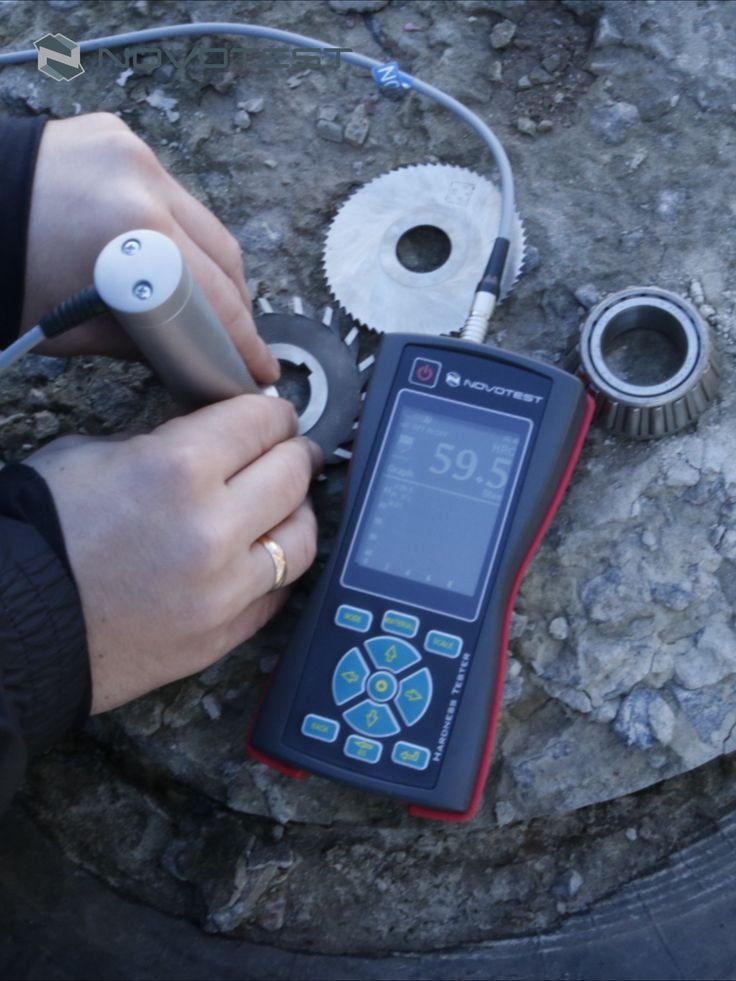
A plastic hardness tester is a specialized instrument designed to measure the resistance of plastic materials to indentation, penetration, or deformation under a controlled force. Hardness is one of the most important mechanical properties of plastics because it directly affects wear resistance, scratch resistance, stiffness, durability, and overall product performance.
Plastic hardness testing is widely used in quality control, material development, product design, and manufacturing across industries such as automotive, medical devices, consumer electronics, packaging, aerospace, and industrial equipment. Whether evaluating flexible elastomers, rigid engineering plastics, or fiber-reinforced composites, selecting the appropriate hardness testing method ensures accurate and repeatable results.
Modern plastic hardness testers combine precision force control, digital sensors, automatic measurement systems, and intelligent software to improve testing efficiency and ensure compliance with international standards.
What Is a Plastic Hardness Tester?
Definition und Zweck
A plastic hardness tester is a testing instrument used to determine the resistance of plastic materials to permanent indentation or penetration. Different test methods and hardness scales are used depending on the material’s flexibility, thickness, and intended application.
Typical purposes include:
- Raw material inspection
- Qualitätskontrolle in der Produktion
- Produktentwicklung
- Materialvergleich
- Prozessvalidierung
- Fehleranalyse
- Lieferantenqualifizierung
- Final product certification
Why Plastic Hardness Testing Matters
Hardness testing helps manufacturers verify:
- Oberflächenbeständigkeit
- Abriebfestigkeit
- Kratzfestigkeit
- Materialkonsistenz
- Produktzuverlässigkeit
- Compliance with specifications
Accurate hardness measurements also support process optimization and help maintain consistent product quality.
Types of Plastic Materials
Thermoplaste
Thermoplastics soften when heated and can be reshaped multiple times. Common examples include:
- Polyethylen (PE)
- Polypropylen (PP)
- Polyvinylchlorid (PVC)
- Polycarbonat (PC)
- Acryl (PMMA)
Thermosetting Plastics
Thermosets permanently harden during curing and cannot be remelted.
Beispiele hierfür sind:
- Epoxidharz
- Phenolharz
- Melamin
- Polyesterharz
Elastomers and Soft Polymers
Soft plastics and elastomers require specialized hardness scales.
Beispiele hierfür sind:
- Silicone rubber
- Thermoplastische Elastomere (TPE)
- Polyurethane
- Naturkautschuk
Engineering Plastics
Engineering plastics provide higher mechanical strength and dimensional stability.
Zu den typischen Materialien zählen:
- Nylon (PA)
- PEEK
- Acetal (POM)
- ABS
- PPS
Reinforced Composite Plastics
Fiber-reinforced plastics combine polymer matrices with glass, carbon, or aramid fibers for improved mechanical performance.
Plastic Hardness Testing Methods
Shore-Härteprüfung
Shore hardness testing is the most common method for plastics and elastomers. It measures the depth of penetration of a standardized indenter under a specified spring force.
Zu den gängigen Skalen zählen:
- Ufer A – Soft rubbers and flexible plastics
- Ufer D – Hard plastics and rigid polymers
- Ufer OO – Very soft foams and gels
Typical applications:
- Gummiprodukte
- Plastic tubing
- Seals and gaskets
- Consumer products
Rockwell Hardness Testing for Plastics
Rockwell testing uses controlled loads and indentation depth to measure harder plastics and engineering polymers.
Frequently used Rockwell scales for plastics include:
- Rockwell M
- Rockwell R
- Rockwell L
- Rockwell E
Die Anwendungen umfassen:
- Injection-molded parts
- Structural plastic components
- Automotive materials
Barcol-Härteprüfung
Barcol hardness testing is commonly used for:
- Reinforced plastics
- Composite panels
- Fiberglass
- Thermosetting resins
Portable Barcol testers are widely used in field inspections.
Vickers- und Mikrohärteprüfung
Microhardness testing is suitable for:
- Thin plastic sections
- Multi-layer plastics
- Surface-treated polymers
- Forschungsanwendungen
Instrumentierte Eindringprüfung
Instrumented indentation provides additional mechanical properties such as:
- Härte
- Elastizitätsmodul
- Creep
- Viscoelastic behavior
This method is frequently used in research laboratories and advanced material characterization.
Types of Plastic Hardness Testers
Shore-Härteprüfer
Shore durometers are portable instruments available in analog and digital versions for rapid hardness testing.
Bench Rockwell Plastic Hardness Testers
Bench-mounted Rockwell testers provide highly accurate and repeatable measurements for production laboratories.
Mikrohärteprüfgeräte
Microhardness systems evaluate localized hardness in thin sections, layered plastics, and precision components.
Automatische Härteprüfsysteme
Fully automated systems include:
- Servogesteuerte Belastung
- Automatische Probenpositionierung
- Digital measurement
- Statistische Analyse
- Erstellung von Berichten
Main Components of a Plastic Hardness Tester
Präzisions-Beladesystem
Servo-controlled loading systems ensure consistent test forces and repeatable results.
Indenter und Prüfspitzen
Je nach Prüfverfahren können die Messgeräte Folgendes verwenden:
- Stahlkugel-Eindringkörper
- Conical indenters
- Shore needles
- Diamond indenters
Digitales Messsystem
Moderne Prüfgeräte verfügen über:
- High-resolution sensors
- Electronic displacement measurement
- Digital displays
- Automatische Härteberechnungen
Software zur Datenanalyse
Advanced software provides:
- Statistische Analyse
- SPC reporting
- Trend monitoring
- Export als PDF und Excel
- Datenbankverwaltung
Key Features of Modern Plastic Hardness Testers
Digitale Kraftregelung
Electronic loading systems improve measurement consistency and reduce operator influence.
Automatic Data Collection
Digital instruments automatically record test values, reducing manual errors.
High Repeatability
Precision mechanics and electronic sensors ensure consistent measurements across multiple samples.
Statistische Berichterstattung
Modern systems support:
- Statistische Prozesskontrolle (SPC)
- Stapelweise Berichterstellung
- Quality trend analysis
- Data traceability
Industrielle Anwendungen
Autoindustrie
Überprüfen Sie:
- Innenausstattung
- Dashboards
- Kunststoffzahnräder
- Komponenten unter der Haube
Medizinische Geräte
Härte von folgenden Materialien messen:
- Katheter
- Spritzen
- Surgical instrument handles
- Gehäuse für medizinische Anwendungen
Unterhaltungselektronik
Evaluate:
- Device housings
- Keypads
- Schutzhüllen
- Steckverbinder
Packaging Industry
Verify hardness of:
- Plastic bottles
- Containers
- Caps
- Verpackungsfolien
Aerospace and Industrial Components
Inspect engineering plastics used in structural, insulating, and wear-resistant applications.
How to Choose the Best Plastic Hardness Tester
Material Typ
Choose the tester based on whether the material is a soft elastomer, rigid thermoplastic, thermoset, or reinforced composite.
Auswahl der Härteskala
Select the appropriate hardness scale:
- Shore A for soft materials
- Shore D für harte Kunststoffe
- Rockwell for engineering plastics
- Barcol für Verbundwerkstoffe
- Vickers for micro-scale analysis
Sample Size and Geometry
Consider part thickness, surface finish, and geometry to ensure valid measurements.
Einhaltung von Normen
Select equipment that complies with ASTM and ISO standards applicable to plastic hardness testing.
Kalibrierung und Wartung
Die routinemäßige Wartung sollte Folgendes umfassen:
- Verification using certified hardness reference blocks
- Reinigung von Eindringkörpern und Kontaktflächen
- Geplante Kalibrierung
- Software-Updates
- Preventive maintenance
Regular calibration ensures long-term accuracy and repeatability.

Vorteile und Beschränkungen
Vorteile
A plastic hardness tester provides:
- Fast, non-destructive testing
- Hohe Wiederholbarkeit
- Genauigkeit digitaler Messungen
- Einfache Bedienung
- Automatisierte Berichterstellung
- Einhaltung internationaler Standards
Beschränkungen
Zu den möglichen Einschränkungen zählen:
- Temperature can influence plastic hardness.
- Surface finish may affect results.
- Different hardness scales are required for different materials.
- Viscoelastic behavior may require controlled dwell times.
Internationale Normen
Gemeinsame Standards in Bezug auf plastic hardness tester Zu den Anwendungsbereichen gehören:
- ASTM D2240 – Standardprüfverfahren zur Bestimmung der Eigenschaften von Kautschuk – Durometer-Härte
- ASTM D785 – Standardprüfverfahren zur Bestimmung der Rockwell-Härte von Kunststoffen
- ASTM D2583 – Standardprüfverfahren zur Bestimmung der Eindringhärte von starren Kunststoffen mittels eines Barcol-Eindringkörpers
- ISO 868 – Kunststoffe und Ebonit – Bestimmung der Eindringhärte mit einem Durometer (Shore-Härte)
- ISO 2039-2 – Kunststoffe – Bestimmung der Härte – Rockwell-Härte
- ISO 6603 – Plastics—Impact Testing (often used alongside hardness testing for material characterization)
Offizielle Quellen:
Häufig gestellte Fragen
1. What is a plastic hardness tester used for?
A plastic hardness tester measures the resistance of plastic materials to indentation or penetration, helping manufacturers evaluate material quality, wear resistance, durability, and compliance with specifications.
2. Which hardness test is best for plastics?
Shore hardness testing is the most common for soft and rigid plastics. Rockwell testing is widely used for engineering plastics, while Barcol testing is suitable for reinforced composites. Microhardness methods are preferred for thin or layered materials.
3. Worin besteht der Unterschied zwischen Shore A und Shore D?
Shore A is designed for soft materials such as rubber and flexible plastics, while Shore D is used for harder plastics, rigid polymers, and engineering thermoplastics.
4. Which industries use plastic hardness testers?
Plastic hardness testers are widely used in automotive manufacturing, medical devices, consumer electronics, packaging, aerospace, research laboratories, and plastics processing industries.
5. How often should a plastic hardness tester be calibrated?
Die Kalibrierung sollte regelmäßig unter Verwendung zertifizierter Referenzmaterialien überprüft und gemäß den Empfehlungen des Herstellers sowie den geltenden ASTM- oder ISO-Normen durchgeführt werden.
6. How do I choose the right plastic hardness tester?
Consider the material type, hardness scale, sample dimensions, testing standards, required accuracy, automation level, and reporting capabilities before selecting a tester.
Fazit
A plastic hardness tester is an essential quality control instrument for evaluating the mechanical performance and consistency of plastic materials. Whether measuring soft elastomers with a Shore durometer, engineering plastics with a Rockwell tester, reinforced composites with a Barcol tester, or thin polymer layers using microhardness techniques, selecting the appropriate testing method ensures accurate, repeatable, and standards-compliant results.
By investing in a modern plastic hardness tester with precision force control, digital measurement capabilities, intelligent software, and reliable calibration, manufacturers can improve product quality, optimize production processes, reduce inspection errors, and maintain compliance across a broad range of industrial applications.