




Hardness Testing for Metals: A Complete Guide to Material Strength Evaluation

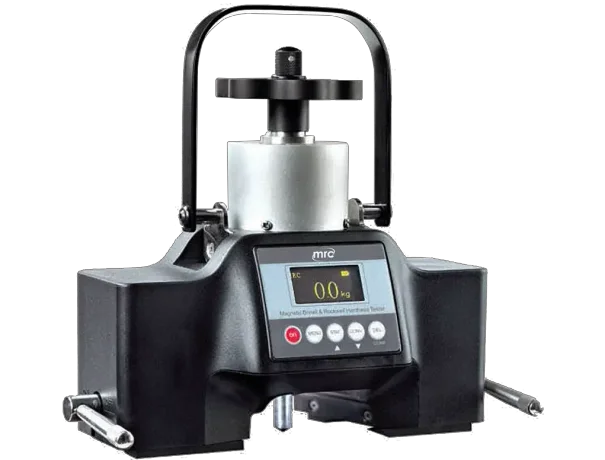
In the fields of metallurgy, manufacturing, and quality control, determining the hardness of metals is one of the most fundamental and informative tests performed. Hardness testing for metals provides critical data about a material’s resistance to deformation, wear, and scratching, and it correlates closely with other mechanical properties such as tensile strength, ductility, and fatigue resistance.
In this comprehensive, SEO-optimized article, we’ll explore the importance of hardness testing, the main testing methods, how they work, their applications, advantages, limitations, and how to choose the right method for your needs.
What Is Hardness Testing for Metals?
Hardness testing for metals is a standardized procedure used to measure a material’s resistance to localized plastic deformation. This deformation is typically induced by either pressing a hard indenter into the metal surface under a specific load (static methods) or by impacting the surface with a hammer or ball (dynamic methods).
The resulting indentation or rebound is measured and converted into a numerical hardness value, which can be used to:
- Assess material quality and consistency
- Verify heat treatment effectiveness
- Compare different alloys or batches
- Predict wear resistance and machinability
- Ensure compliance with industry specifications
Why Is Hardness Testing Important for Metals?
- Quality Assurance – Ensures metals meet specified hardness requirements for their intended application.
- Process Control – Monitors the effects of heat treatment, cold working, and aging.
- Failure Analysis – Helps identify causes of wear, cracking, or deformation in components.
- Material Selection – Guides engineers in choosing the right alloy for strength and durability.
- Cost Savings – Early detection of hardness deviations prevents costly rework or failures.
Main Methods of Hardness Testing for Metals
There are several standardized hardness testing methods, each suited to different materials, sample sizes, and application requirements. The most common ones include:
1. Brinell Hardness Test (HB)
- Indenter: 10 mm diameter hardened steel or tungsten carbide ball.
- Load: 500–3000 kgf.
- Application: Large grain metals, castings, forgings.
- Formula: HB=πD(D−D2−d2)2P
Where P= load (kgf), D= ball diameter (mm), d= indentation diameter (mm).
- Advantages: Averages out material inhomogeneity; good for rough surfaces.
- Limitations: Not suitable for thin or hard materials.
2. Rockwell Hardness Test (HR)
- Indenter: Diamond cone (Brale) or steel ball (1/16″, 1/8″, 1/4″, 1/2″).
- Load: Minor load 10 kgf; major loads 60–150 kgf.
- Scales: HRA, HRB, HRC, etc.
- Method: Measures depth of penetration after load release.
- Advantages: Fast, direct reading, minimal surface prep.
- Limitations: Less accurate for very hard or very soft materials.
3. Vickers Hardness Test (HV)
- Indenter: Square-based diamond pyramid (136° included angle).
- Load: 1–120 kgf.
- Formula: HV=1.854×d2P
Where P= load (kgf), d= average diagonal length (mm).
- Advantages: Wide hardness range, consistent geometry, suitable for thin sections.
- Limitations: Requires precise measurement, slower than Rockwell.
4. Knoop Hardness Test (HK)
- Indenter: Elongated rhombic diamond pyramid.
- Load: 1–1000 gf.
- Advantages: Very shallow indentation; ideal for brittle materials and thin coatings.
- Limitations: Specialized applications; less common than Vickers.
5. Shore Hardness Test (Durometer)
- Indenter: Spring-loaded cone or cylinder.
- Application: Soft metals, elastomers, and non-ferrous alloys.
- Scales: Shore A, Shore D, etc.
- Advantages: Quick, portable, non-destructive.
- Limitations: Not for high-hardness metals.
6. Mohs Hardness Test
- Indenter: Reference minerals of known hardness.
- Application: Qualitative assessment of mineral inclusions or coatings.
- Advantages: Simple, no equipment needed.
- Limitations: Rough scale; not quantitative for engineering purposes.
Comparison of Metal Hardness Testing Methods
| Method | Indenter Type | Load Range | Typical Applications | Advantages | Limitations |
|---|---|---|---|---|---|
| Brinell (HB) | Steel/WC ball | 500–3000 kgf | Castings, forgings, large grains | Averages inhomogeneity | Not for thin/hard materials |
| Rockwell (HR) | Diamond cone / Ball | 60–150 kgf | Heat-treated steels, QC testing | Fast, direct reading | Limited accuracy at extremes |
| Vickers (HV) | Diamond pyramid | 1–120 kgf | Thin sections, microhardness | Wide range, precise | Requires measurement optics |
| Knoop (HK) | Elongated diamond | 1–1000 gf | Brittle materials, coatings | Minimal penetration | Specialized use |
| Shore | Spring-loaded cone | Variable | Soft metals, polymers | Portable, quick | Not for high-hardness metals |
| Mohs | Mineral reference | Scratch test | Qualitative mineral ID | Simple, no tools | Not quantitative |
Applications of Hardness Testing for Metals
- Heat Treatment Verification – Confirm hardness after quenching, tempering, or carburizing.
- Weld Inspection – Check HAZ (heat-affected zone) hardness to prevent cracking.
- Quality Control in Manufacturing – Ensure bolts, gears, shafts, and springs meet specs.
- Failure Analysis – Investigate broken components for hardness deviations.
- Material Sorting – Separate mixed batches of metals by hardness.
- Research & Development – Compare new alloys or coatings.
How to Choose the Right Hardness Test for Metals
- Material Type & Hardness Range – Soft metals favor Brinell/Rockwell B; hard metals favor Rockwell C/Vickers.
- Sample Thickness – Thin sections require low-load Vickers or Knoop.
- Surface Finish – Rough surfaces may need Brinell; smooth surfaces suit Rockwell/Vickers.
- Test Speed & Automation – Production lines prefer Rockwell for speed.
- Standard Compliance – Follow ASTM E10 (Brinell), E18 (Rockwell), E92 (Vickers), E384 (microhardness).
- Portability Needs – On-site testing may require portable hardness testers (Leeb, ultrasonic).
Sample Preparation and Testing Tips
- Surface Preparation – Polish to a smooth, clean finish for accurate indentation measurement.
- Flatness – Ensure the test surface is perpendicular to the indenter.
- Calibration – Regularly calibrate testers with certified test blocks.
- Multiple Readings – Take several measurements to account for material variation.
- Avoid Edge Effects – Place indentations away from edges and defects.
Maintenance of Hardness Testing Equipment
- Indenter Inspection – Check for chipping or wear; replace if geometry changes.
- Load Verification – Ensure applied forces match test standards.
- Clean Optics – For optical systems, keep lenses free of dust and scratches.
- Environmental Control – Perform tests in stable temperature and humidity conditions.
Future Trends in Hardness Testing for Metals
- Automation & Robotics – Robotic arms performing high-volume, consistent tests.
- Digital & AI Analysis – Image recognition for faster, more accurate diagonal measurement.
- Portable & Wireless Systems – Bluetooth-enabled testers sending data to cloud databases.
- Nanoindentation Integration – Linking macro hardness with nanoscale mechanical properties.
- Green Testing – Reducing energy use and eliminating hazardous materials in test processes.
Conclusion
Hardness testing for metals is an indispensable tool for evaluating material properties, ensuring quality, and predicting performance in service. Whether you choose Brinell for castings, Rockwell for rapid QC, or Vickers for precision microhardness, each method offers unique advantages tailored to specific applications.
By understanding the principles, strengths, and limitations of each technique, engineers and technicians can select the optimal hardness test—ensuring reliable results that support safe, efficient, and cost-effective metalworking.