




Hardness Machines for Aerospace Power Guide 30 Essential Solutions for Flight Safety and Performance


Outline for the Article on Hardness Machines for Aerospace
| Topic Area | Detailed Coverage with LSI Keywords |
|---|---|
| Introduction to Hardness Machines for Aerospace | aerospace hardness testing, aircraft materials |
| What Are Hardness Machines for Aerospace | material verification |
| Importance of Hardness Testing in Aerospace | safety, reliability |
| Evolution of Aerospace Hardness Testing | aviation manufacturing |
| Fundamental Principles of Aerospace Hardness Testing | indentation resistance |
| Common Hardness Testing Methods for Aerospace | Rockwell, Brinell, Vickers |
| Rockwell Hardness Machines for Aerospace | fast inspection |
| Brinell Hardness Machines for Aerospace | large components |
| Vickers Hardness Machines for Aerospace | precision testing |
| Microhardness Machines for Aerospace | coatings and thin layers |
| Macro Hardness Machines for Aerospace | bulk material evaluation |
| Portable Hardness Machines for Aerospace | on-site aircraft testing |
| Laboratory Hardness Machines for Aerospace | controlled testing |
| Digital Hardness Machines for Aerospace | data traceability |
| Automatic Hardness Testing Systems | aerospace production |
| Aerospace Materials and Suitable Hardness Machines | titanium, aluminum |
| Hardness Testing of Aerospace Steel | landing gear |
| Hardness Testing of Aerospace Aluminum | structural frames |
| Hardness Testing of Titanium Alloys | engines and airframes |
| Hardness Testing of Superalloys | turbine components |
| Hardness Testing of Composite Interfaces | bonded materials |
| Hardness Testing in Aircraft Manufacturing | production quality |
| Hardness Testing in Aerospace Maintenance | MRO inspections |
| Hardness Testing in Aerospace R&D | innovation |
| Aerospace Standards and Regulations | AMS, ASTM, ISO |
| Accuracy and Repeatability | safety-critical testing |
| Selecting the Right Hardness Machine for Aerospace | application-based choice |
| Advantages of Aerospace Hardness Machines | reliability |
| Limitations of Aerospace Hardness Testing | constraints |
| Safety Practices | operator and component safety |
| Maintenance of Aerospace Hardness Machines | long-term precision |
| Interpreting Aerospace Hardness Results | engineering analysis |
| Brand Expertise and Solutions | Johoyd aerospace solutions |
| Common Errors in Aerospace Hardness Testing | prevention |
| Future Trends in Aerospace Hardness Testing | smart aviation |
| FAQs | common questions |
| Conclusion | summary |
Introduction
Hardness Machines for Aerospace applications are critical to ensuring flight safety, structural integrity, and long-term reliability. Aerospace components operate under extreme stress, temperature variation, and fatigue cycles. Even minor material inconsistencies can lead to serious consequences.
Hardness testing provides aerospace engineers with a fast, reliable method to verify material properties throughout manufacturing, maintenance, and research. From aircraft structures to spacecraft components, hardness machines support precision and safety in one of the world’s most demanding industries.
Hardness Machines for Aerospace
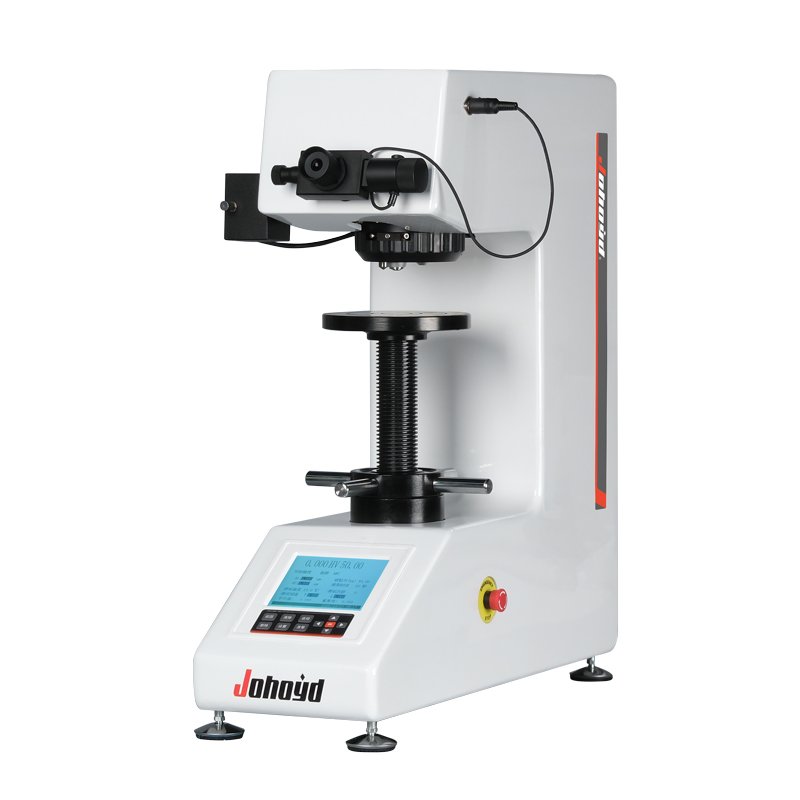
Hardness Machines for Aerospace are precision instruments designed to measure a material’s resistance to permanent deformation. These machines verify whether aerospace materials meet strict mechanical and regulatory requirements.
Because hardness correlates strongly with strength, wear resistance, and fatigue performance, hardness testing is a cornerstone of aerospace quality assurance.
Importance of Hardness Testing in Aerospace
Aerospace materials must perform flawlessly under extreme conditions. Incorrect hardness may result in cracking, excessive wear, or structural failure.
By using hardness machines for aerospace, manufacturers and maintenance teams ensure that components meet specifications and remain safe throughout their service life.
Evolution of Aerospace Hardness Testing
Early aviation relied on basic material testing methods. As aircraft became more advanced, testing requirements increased.
Modern aerospace hardness machines now offer digital accuracy, automation, and data traceability to meet stringent aviation standards.
Fundamental Principles of Aerospace Hardness Testing
Hardness testing is based on resistance to indentation. A standardized indenter applies a controlled force to the material surface.
The size or depth of the indentation determines hardness. Different methods are used depending on material type and component size.
Common Hardness Testing Methods for Aerospace
Aerospace applications use several hardness testing methods. Each method offers unique advantages.
Rockwell, Brinell, and Vickers testing are widely used, while microhardness testing supports advanced material analysis.
Rockwell Hardness Machines for Aerospace
Rockwell testing measures indentation depth. It is fast and repeatable.
This method is commonly used for aerospace steel components such as landing gear parts.
Brinell Hardness Machines for Aerospace
Brinell testing uses a ball indenter and heavy load. It is suitable for large aerospace components.
Castings and forgings benefit from Brinell testing.
Vickers Hardness Machines for Aerospace
Vickers testing uses a diamond pyramid indenter. It offers high precision across a wide hardness range.
This method is ideal for aerospace alloys and research applications.
Microhardness Machines for Aerospace
Microhardness testing evaluates thin coatings, surface treatments, and diffusion layers.
It is essential for analyzing turbine blades and bonded interfaces.
Macro Hardness Machines for Aerospace
Macro hardness machines evaluate bulk material properties.
They ensure structural strength of airframes and support components.
Portable Hardness Machines for Aerospace
Portable testers allow on-site inspection of aircraft and aerospace structures.
They reduce downtime and support maintenance operations.
Laboratory Hardness Machines for Aerospace
Laboratory machines provide controlled conditions and high precision.
They are used for certification, R&D, and reference testing.
Digital Hardness Machines for Aerospace
Digital machines improve accuracy and data management.
They support traceability and compliance with aerospace regulations.
Automatic Hardness Testing Systems
Automatic systems control load, measurement, and data recording.
They improve efficiency in aerospace production environments.
Aerospace Materials and Suitable Hardness Machines
Aerospace materials include steel, aluminum, titanium, and superalloys.
Selecting the correct hardness machine ensures meaningful results.
Hardness Testing of Aerospace Steel
Steel components such as landing gear require precise hardness control.
Hardness testing verifies heat treatment effectiveness.
Hardness Testing of Aerospace Aluminum
Aluminum alloys are lightweight but sensitive to deformation.
Vickers testing provides accurate results.
Hardness Testing of Titanium Alloys
Titanium alloys combine strength and low weight.
Hardness testing ensures proper processing and performance.
Hardness Testing of Superalloys
Superalloys withstand extreme temperatures.
Microhardness testing evaluates surface and core properties.
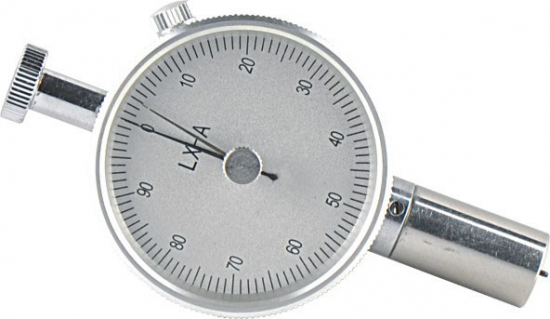
Hardness Testing of Composite Interfaces
Bonded interfaces require careful evaluation.
Microhardness testing supports interface integrity assessment.
Hardness Testing in Aircraft Manufacturing
Manufacturers use hardness machines to verify incoming materials and finished parts.
Consistent testing ensures compliance.
Hardness Testing in Aerospace Maintenance
Maintenance teams use hardness machines to detect wear and degradation.
On-site testing improves safety.
Hardness Testing in Aerospace R&D
R&D teams rely on hardness testing to develop new materials.
Testing supports innovation.
Aerospace Standards and Regulations
Hardness testing follows ASTM, ISO, and AMS standards.
Compliance ensures flight safety.
Accuracy and Repeatability
Accuracy depends on calibration, surface preparation, and proper method selection.
Repeatability is critical in aerospace testing.
Selecting the Right Hardness Machine for Aerospace
Selection depends on material, component size, and application.
Expert guidance ensures optimal results.
Advantages of Aerospace Hardness Machines
Key advantages include:
- High precision
- Strong correlation with performance
- Compliance with strict standards
- Support for automation
These benefits support aerospace safety.
Limitations of Aerospace Hardness Testing
Hardness testing does not measure all properties.
Results require expert interpretation.
Safety Practices
Operators must follow strict safety protocols.
Proper handling protects components and personnel.
Maintenance of Aerospace Hardness Machines
Regular calibration and maintenance ensure accuracy.
Proper care supports long-term reliability.
Interpreting Aerospace Hardness Results
Results must be interpreted within material and process context.
Engineering judgment is essential.
Brand Expertise and Solutions
Reliable aerospace hardness testing requires dependable equipment. Brands like Johoyd, through https://hardnesstests.com, provide professional Hardness Machines for Aerospace designed for production, laboratory, and maintenance applications.
Their solutions support accuracy, compliance, and confidence.
Common Errors in Aerospace Hardness Testing
Errors include incorrect test selection and surface preparation.
Standard procedures reduce risk.

Future Trends in Aerospace Hardness Testing
Future trends include smart machines, automation, and integrated data systems.
These advances support next-generation aerospace manufacturing.
Frequently Asked Questions
What are hardness machines for aerospace used for?
They verify material strength and reliability.
Which hardness test is common in aerospace?
Vickers and Rockwell are widely used.
Can hardness testing be done on aircraft?
Yes, with portable machines.
Is hardness testing destructive?
It is minimally destructive.
Are aerospace standards strict?
Yes, compliance is mandatory.
How often should machines be calibrated?
According to standards and usage.
Conclusion
Hardness Machines for Aerospace are indispensable for ensuring safety, reliability, and performance in aviation and space applications. By providing fast and accurate material verification, these machines support every stage of the aerospace lifecycle.
With trusted manufacturers like Johoyd delivering advanced solutions through hardnesstests.com, aerospace organizations gain confidence in their testing processes. As aerospace technology advances, hardness testing will remain a critical pillar of flight safety and engineering excellence.