- Appareil d'essai de dureté Micro Vickers
- Appareil d'essai de dureté Vickers
- Capteur de dureté Vickers
- Appareil d'essai de dureté Rockwell
- Appareil d'essai de dureté Brinell
- Appareil de dureté Leeb
- Appareil de mesure de la dureté Shore
- Testeur de dureté Webster
- Appareil de mesure de la dureté Barcol
- Barre d'essai de dureté



Steel Hardness Tester: Complete Industrial Guide


Introduction to Steel Hardness Tester
A steel hardness tester is a vital tool used across industries to measure the hardness of steel materials accurately. From manufacturing plants to construction sites, ensuring the correct hardness level is essential for safety, durability, and performance. A reliable steel hardness tester helps engineers verify whether steel components meet required specifications before use.
In modern industry, the demand for fast, accurate, and portable testing solutions has made the steel hardness tester an indispensable instrument for quality control.
What is a Steel Hardness Tester
Definition and Overview
A steel hardness tester is a device designed to evaluate the resistance of steel to deformation, usually through indentation or impact methods.

Importance in Steel Testing
Steel is widely used in critical applications such as bridges, pipelines, and machinery. A steel hardness tester ensures that these materials meet strength and safety standards.
📎 Outbound reference:
https://en.wikipedia.org/wiki/Hardness
📎 Additional reference:
https://www.iso.org/
How a Steel Hardness Tester Works
Working Principle
A steel hardness tester measures hardness by applying force to a steel surface and analyzing the response. The method used depends on the type of tester.
Indentation Method
This involves pressing an indenter into the steel surface and measuring the size or depth of the indentation.
Rebound Method
This method measures how an impact body rebounds from the steel surface, which correlates with hardness.
Both methods are widely used in different types of steel hardness tester devices.
Types of Steel Hardness Tester
Rockwell Steel Hardness Tester
Commonly used for quick and direct hardness readings in production environments.
Brinell Steel Hardness Tester
Ideal for testing large steel components and rough surfaces.
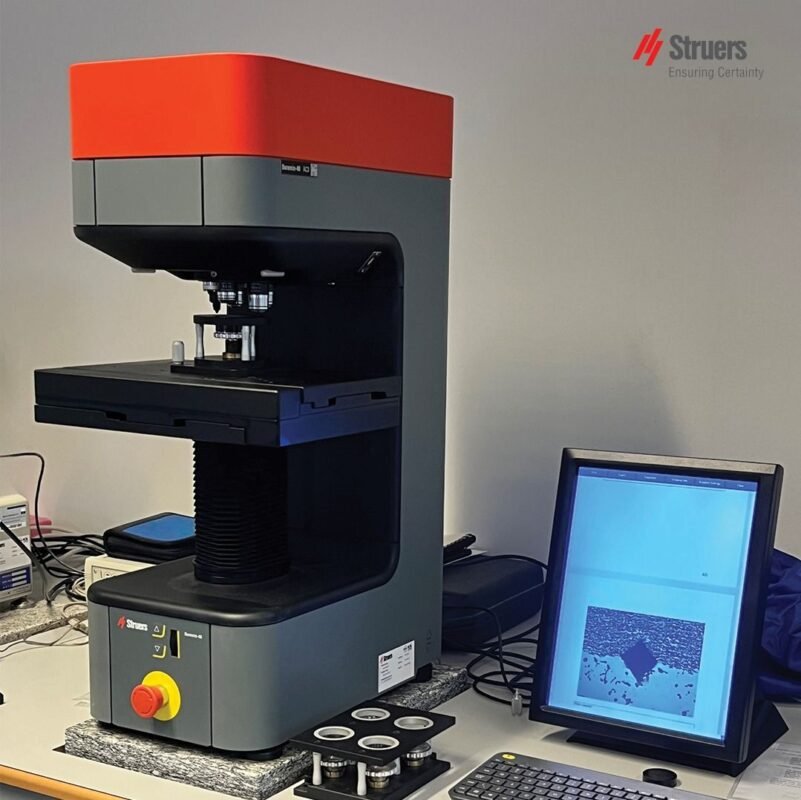
Portable Steel Hardness Tester
Designed for on-site inspections where mobility is required.
👉 Internal link:
https://hardnesstests.com/portable-hardness-tester-equipment
Ultrasonic Steel Hardness Tester
Provides high precision, especially for thin or delicate steel parts.
👉 Internal link:
https://hardnesstests.com/ultrasonic-hardness-tester
Key Features to Consider
Précision et répétabilité
A high-quality steel hardness tester should deliver consistent and reliable measurements.
Portabilité
Portable devices allow testing in the field without removing components.
Stockage des données et connectivité
Modern testers support digital storage, USB export, and Bluetooth connectivity.
Applications of Steel Hardness Tester
Manufacturing Industry
Used to verify raw materials and finished products.
Construction and Infrastructure
Ensures the strength of structural steel used in buildings and bridges.
Industrie automobile
Critical for testing engine components, gears, and chassis parts.
Oil and Gas Sector
Used for pipeline inspection and maintenance.
👉 Internal link:
https://hardnesstests.com/field-hardness-tester-device
Advantages of Steel Hardness Tester
- Accurate and reliable measurements
- Suitable for various steel types
- Portable options for field testing
- Supports multiple hardness scales
Limitations and Considerations
While a steel hardness tester is highly effective, results can be influenced by surface conditions, operator technique, and calibration status.
How to Choose the Best Steel Hardness Tester
Budget Factors
Select a tester that offers the best value for your investment.
Exigences en matière d'essais
Consider steel type, thickness, and testing environment.
Brand and Support
Reliable brands provide better durability and after-sales service.
Maintenance and Calibration Tips
- Calibrate regularly for accurate results
- Clean testing surfaces and probes
- Store in protective cases
- Avoid exposure to extreme conditions
Normes et conformité de l'industrie
Most steel hardness tester devices comply with international standards such as:
- ASTM → https://www.astm.org/
- ISO → https://www.iso.org/
These ensure consistency and reliability across industries.
Steel Hardness Tester vs Other Testing Methods
Compared to tensile testing or destructive testing, a steel hardness tester offers faster and non-destructive evaluation, making it ideal for routine inspections.
Best Practices for Accurate Results
- Ensure a clean and smooth surface
- Take multiple measurements
- Use correct testing method
- Follow calibration procedures
Recommended Products and Internal Links
Explore professional-grade solutions:
- https://hardnesstests.com/portable-hardness-tester-equipment
- https://hardnesstests.com/leeb-hardness-tester
- https://hardnesstests.com/ultrasonic-hardness-tester
- https://hardnesstests.com/field-hardness-tester-device
These products are designed for industrial use and deliver reliable performance in demanding environments.
FAQs About Steel Hardness Tester
1. What is a steel hardness tester used for?
It is used to measure the hardness of steel materials for quality control and safety.
2. Which method is best for steel testing?
Rockwell and ultrasonic methods are commonly used depending on the application.
3. Can it be used on all steel types?
Yes, most testers support a wide range of steel alloys.
4. Is calibration necessary?
Yes, regular calibration ensures accurate measurements.
5. Is it suitable for field use?
Portable steel hardness tester models are ideal for on-site testing.
6. What industries use it most?
Manufacturing, construction, automotive, and oil & gas industries.
Conclusion
A steel hardness tester is an essential tool for ensuring the strength, durability, and safety of steel materials. Whether used in laboratories or field environments, it provides accurate and efficient testing solutions. Investing in the right steel hardness tester can significantly improve quality control and operational efficiency.