

- Appareil d'essai de dureté Micro Vickers
- Appareil d'essai de dureté Vickers
- Capteur de dureté Vickers
- Appareil d'essai de dureté Rockwell
- Appareil d'essai de dureté Brinell
- Appareil de dureté Leeb
- Appareil de mesure de la dureté Shore
- Testeur de dureté Webster
- Appareil de mesure de la dureté Barcol
- Barre d'essai de dureté



How to Choose the Right Aluminum Hardness Tester for Accurate Results


Introduction to Aluminum Hardness Tester
Un aluminum hardness tester is a specialized instrument designed to measure the hardness of aluminum and its alloys. Because aluminum is softer and more ductile than steel, it requires precise and sensitive testing methods. A reliable aluminum hardness tester ensures accurate results without damaging the material.
In industries such as aerospace, automotive, and construction, using a proper aluminum hardness tester is critical to maintaining quality and performance standards.
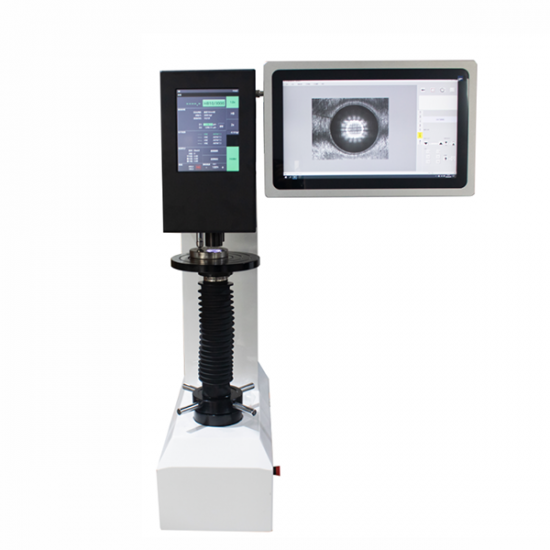
What is an Aluminum Hardness Tester
Definition and Overview
Un aluminum hardness tester is a device used to evaluate how resistant aluminum is to deformation under applied force.
Why Aluminum Testing is Important
Aluminum is widely used due to its lightweight and corrosion resistance. A proper aluminum hardness tester ensures the material meets required strength specifications.
📎 Outbound reference:
https://en.wikipedia.org/wiki/Hardness
📎 Additional reference:
https://www.iso.org/
How an Aluminum Hardness Tester Works
Working Principle
Un aluminum hardness tester works by applying controlled force to the surface and measuring the response. Since aluminum is softer than steel, the device must be highly sensitive.
Indentation Method
This method uses a ball or pyramid indenter to create a small impression and measure its size.
Ultrasonic Method
Ultrasonic testing provides precise measurements for thin or delicate aluminum parts.
Types of Aluminum Hardness Tester
Rockwell Aluminum Tester
Often uses softer scales (like HRB) suitable for aluminum.
Brinell Aluminum Tester
Ideal for larger aluminum components with coarse grain structures.
Portable Aluminum Hardness Tester
Designed for on-site testing of aluminum structures.
👉 Internal link:
https://hardnesstests.com/portable-hardness-tester-equipment
Ultrasonic Aluminum Tester
Provides high accuracy for thin aluminum sheets and precision parts.
👉 Internal link:
https://hardnesstests.com/ultrasonic-hardness-tester
Key Features to Consider
Accuracy and Sensitivity
An effective aluminum hardness tester must detect small variations in softer materials.
Portabilité
Lightweight design is important for field applications.
Data Storage
Modern testers offer digital storage and data export capabilities.
Applications of Aluminum Hardness Tester
Industrie aérospatiale
Ensures aircraft components meet strict safety requirements.
Industrie automobile
Used for lightweight vehicle components and structural parts.
Construction and Manufacturing
Ensures aluminum materials meet design specifications.
👉 Internal link:
https://hardnesstests.com/field-hardness-tester-device
Advantages of Aluminum Hardness Tester
- High sensitivity for soft materials
- Accurate and repeatable results
- Portable options available
- Supports multiple hardness scales
Limitations and Considerations
Results from an aluminum hardness tester can be affected by surface finish, thickness, and operator technique.
How to Choose the Best Aluminum Hardness Tester
Budget and Cost
Choose a tester that balances affordability and performance.
Exigences en matière d'essais
Consider aluminum type, thickness, and environment.
Brand and Support
Reliable manufacturers provide better long-term value.
Maintenance and Calibration Tips
- Calibrate regularly
- Clean probes after use
- Avoid scratches on test surfaces
- Store in protective cases
Normes et conformité de l'industrie
Most testers follow:
- ASTM → https://www.astm.org/
- ISO → https://www.iso.org/
These ensure reliable and standardized testing.
Aluminum Hardness Tester vs Other Material Testers
Compared to steel testers, an aluminum hardness tester requires greater sensitivity and lower force application to avoid inaccurate readings.
Best Practices for Accurate Results
- Use clean and smooth surfaces
- Apply correct testing method
- Take multiple readings
- Ensure proper calibration

Recommended Products and Internal Links
Explore reliable solutions:
- https://hardnesstests.com/portable-hardness-tester-equipment
- https://hardnesstests.com/leeb-hardness-tester
- https://hardnesstests.com/ultrasonic-hardness-tester
- https://hardnesstests.com/field-hardness-tester-device
These products are suitable for aluminum testing across different industries.
FAQs About Aluminum Hardness Tester
1. What is an aluminum hardness tester used for?
It measures the hardness of aluminum materials for quality control.
2. Which hardness scale is best for aluminum?
Rockwell B and Brinell scales are commonly used.
3. Can it test thin aluminum sheets?
Yes, ultrasonic testers are ideal for thin materials.
4. Is calibration required?
Yes, regular calibration ensures accuracy.
5. What industries use it most?
Aerospace, automotive, and manufacturing industries.
6. Is it different from steel testing?
Yes, aluminum requires more sensitive testing methods.
Conclusion
Un aluminum hardness tester is essential for accurately evaluating aluminum materials in modern industries. Its ability to deliver precise results for softer metals makes it a critical tool in quality control. Choosing the right aluminum hardness tester ensures reliable performance, improved efficiency, and compliance with industry standards.

