- Appareil d'essai de dureté Micro Vickers
- Appareil d'essai de dureté Vickers
- Capteur de dureté Vickers
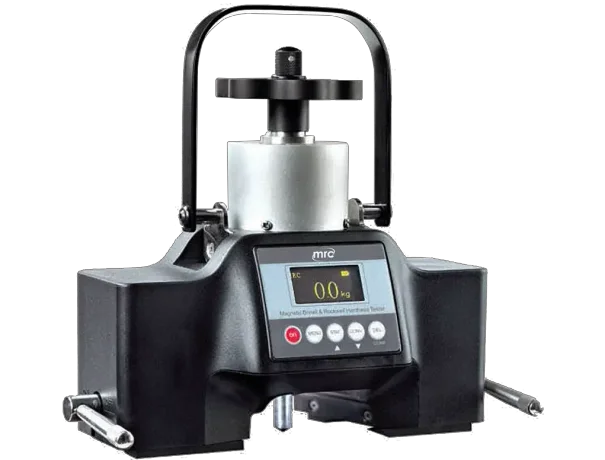
- Appareil d'essai de dureté Rockwell
- Appareil d'essai de dureté Brinell
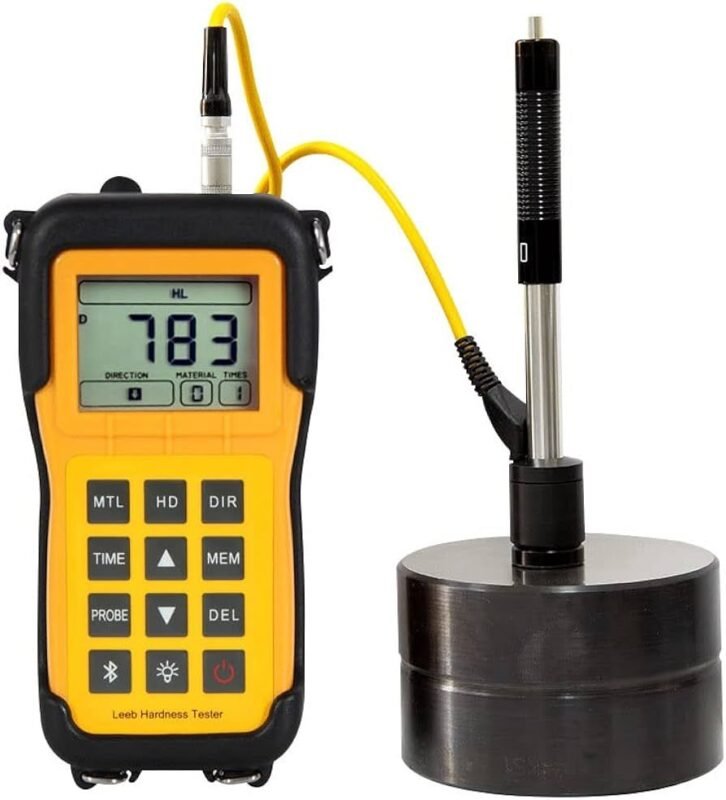
- Appareil de dureté Leeb
- Appareil de mesure de la dureté Shore
- Testeur de dureté Webster
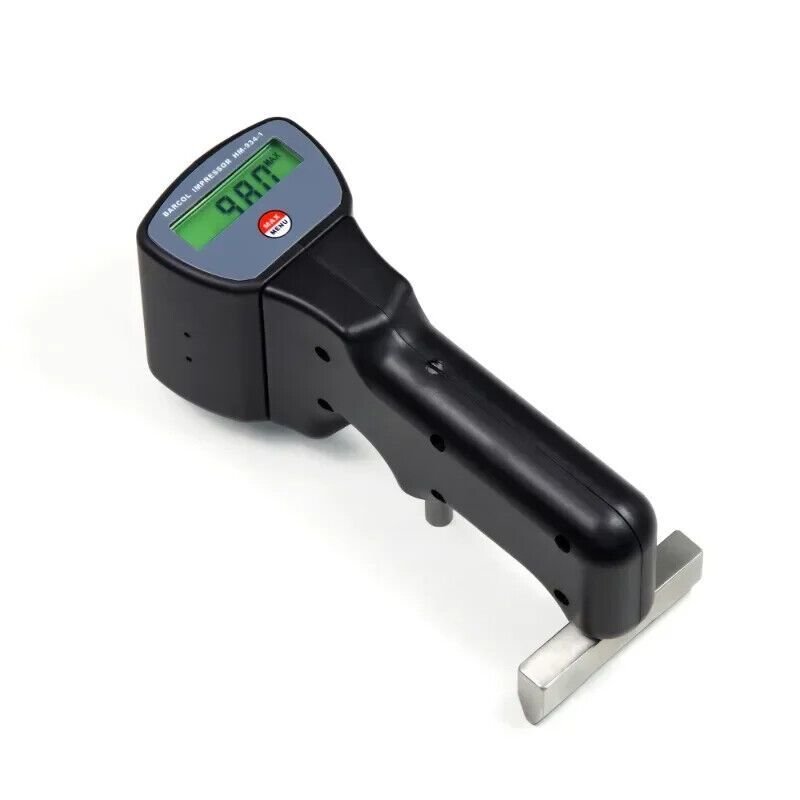
- Appareil de mesure de la dureté Barcol
- Barre d'essai de dureté



Testeur de dureté industriel : Guide ultime pour le contrôle de la qualité de la fabrication

Introduction to Industrial Hardness Testing
Un industrial hardness tester is one of the most important instruments used in manufacturing and quality control. It measures a material’s resistance to indentation or deformation, helping engineers verify mechanical properties and ensure production consistency.
Hardness testing is widely applied across industries because it provides fast, reliable, and cost-effective information about material quality. Whether evaluating steel gears, aluminum components, castings, or heat-treated parts, hardness measurements help manufacturers maintain high standards and reduce the risk of product failure.
As industrial processes become increasingly automated and quality requirements become more stringent, advanced hardness testing solutions have become essential tools for modern production environments.
Why Hardness Testing Matters in Industry
Quality Assurance Benefits
Manufacturers use hardness testing to confirm that products meet design specifications and customer requirements.
Les principaux avantages sont les suivants :
- Consistent production quality
- Reduced rejection rates
- Improved process control
- Verification of heat treatment
- Better product reliability
Hardness testing often serves as an early indicator of potential material or processing issues.
Material Verification and Compliance
Many industries must comply with strict quality standards. Hardness testing provides measurable data that supports certification, inspection, and regulatory requirements.
What Is an Industrial Hardness Tester?
Definition and Working Principle
A hardness tester is a device that measures how resistant a material is to localized deformation. Most systems apply a controlled force through a specialized indenter and evaluate the resulting indentation.
The typical testing process includes:
- Sample positioning
- Load application
- Indentation creation
- Measurement of indentation characteristics
- Hardness calculation
How Hardness Is Measured
Different testing methods use different measurement principles.
| Méthode | Measurement Type |
|---|---|
| Rockwell | Profondeur de pénétration |
| Brinell | Diamètre de pénétration |
| Vickers | Longueur de la diagonale |
| Knoop | Long diagonal |
| Leeb | Rebound velocity |
Each method offers unique benefits depending on the material and testing objective.
Common Hardness Scales
Frequently used hardness scales include:
- HRC (Rockwell C)
- HRB (Rockwell B)
- HBW (Brinell)
- HV (Vickers)
- HK (Knoop)
- HL (Leeb)
These scales allow results to be compared across industries and applications.
Major Types of Industrial Hardness Tester Systems
Rockwell Testing Equipment
Rockwell systems are among the most popular choices in manufacturing because they provide direct readings and rapid results.
Les avantages comprennent
- Fast testing cycles
- Facilité d'utilisation
- Haute répétabilité
- Suitable for production lines
Brinell Testing Equipment
Brinell testing uses a tungsten carbide ball indenter and is especially useful for:
- Fonte
- Forgeage
- Acier de construction
- Grandes pièces industrielles
The larger indentation averages hardness across a wider surface area.
Vickers Testing Equipment
Vickers testing offers exceptional versatility and precision.
Les avantages sont les suivants
- Large gamme de charges
- Haute précision
- Essais sur matériaux minces
- Metallographic analysis
Microhardness Systems
Microhardness equipment is designed for evaluating:
- Thin coatings
- Traitements de surface
- Small components
- Matériaux électroniques
These systems operate under very low test loads.
Portable Hardness Testing Solutions
Portable instruments allow testing directly at the inspection site.
Common applications include:
- Pipelines
- Récipients sous pression
- Arbres de turbine
- Large machinery
Key Features of Modern Testing Equipment

Contrôle automatisé de la charge
Advanced systems automatically apply test forces with high precision, reducing operator influence.
Digital Measurement Technology
Modern equipment incorporates:
- High-resolution imaging
- Reconnaissance automatique de l'indentation
- Digital analysis tools
These features improve efficiency and measurement accuracy.
Logiciels et gestion des données
Many systems now include:
- Analyse statistique
- Automated reporting
- Stockage des données
- Network integration
- Traceability functions
Calibration Functions
Built-in calibration features help maintain accuracy and simplify routine verification procedures.
Matériaux couramment testés
Acier et acier inoxydable
Hardness testing is widely used for structural, tool, and engineering steels.
Alliages d'aluminium
Lightweight materials used in transportation and aerospace industries often require hardness verification.
Cast Iron Components
Large castings benefit from hardness testing to ensure proper processing and durability.
Surface-Coated Materials
Microhardness methods help evaluate coating thickness, adhesion, and performance.
Applications industrielles
Industrie automobile
Applications include testing:
- Engrenages
- Paliers
- Engine components
- Drive shafts
- Transmission parts
Aerospace Manufacturing
Aircraft materials must meet strict quality and safety standards. Hardness testing helps verify material consistency.
Energy and Oil & Gas
Testing is commonly performed on:
- Pipelines
- Récipients sous pression
- Drilling tools
- Power generation equipment
Heavy Machinery Production
Construction and mining equipment manufacturers use hardness testing to verify component durability.
Benefits of Using an Industrial Hardness Tester
Modern hardness testing systems provide numerous advantages:
- Reliable material verification
- Improved product quality
- Faster inspection processes
- Reduced production waste
- Enhanced process control
- Better compliance with standards
These benefits contribute directly to operational efficiency and customer satisfaction.
Factors to Consider Before Purchasing
Selecting the right testing equipment requires careful evaluation.
Type de matériau
Different testing methods are optimized for different materials.
Production Volume
High-volume environments often benefit from automated systems.
Précision des tests
Laboratory applications may require higher precision than routine production testing.
Sample Size
Large components may require specialized or portable solutions.
Budget and Return on Investment
Envisager :
- Initial equipment cost
- Calibration expenses
- Maintenance requirements
- Capacités logicielles
A well-chosen system can provide long-term value and productivity improvements.
Meilleures pratiques en matière de maintenance et d'étalonnage
To maintain accurate results:
- Verify performance using certified reference blocks
- Clean testing surfaces regularly
- Follow manufacturer maintenance schedules
- Protect optical components
- Document calibration activities
Proper maintenance extends equipment life and ensures reliable measurements.

Industry Standards and Certifications
Hardness testing typically follows internationally recognized standards, including:
- ASTM E18 (Rockwell)
- ASTM E10 (Brinell)
- ASTM E384 (Vickers and Microhardness)
- ISO 6506
- ISO 6507
- ISO 6508
For official information, visit:
Compliance with these standards helps ensure globally accepted testing results.
Questions fréquemment posées
1. What is an industrial hardness tester used for?
It measures a material’s resistance to deformation and helps verify quality, strength, and manufacturing consistency.
2. Which hardness testing method is most common?
Rockwell testing is widely used due to its speed, simplicity, and suitability for production environments.
3. Can hardness testing be automated?
Yes. Many modern systems offer fully automated loading, measurement, and reporting functions.
4. What industries use hardness testing equipment?
Automotive, aerospace, energy, metallurgy, manufacturing, research, and heavy industry.
5. Pourquoi l'étalonnage est-il important ?
Calibration ensures accurate measurements and compliance with industry standards.
6. Can one tester measure multiple hardness scales?
Many modern systems support multiple scales and conversion functions.
Conclusion
Un industrial hardness tester is a critical tool for ensuring product quality, verifying material properties, and maintaining manufacturing consistency. From production-floor inspections to advanced laboratory analysis, hardness testing provides valuable insights that help manufacturers improve performance and reduce risk.
With modern automation, digital measurement capabilities, and compliance with international standards, today’s testing systems deliver accurate and repeatable results across a wide range of materials and applications. Choosing the right equipment can significantly enhance quality assurance programs and support long-term operational success.