

- Appareil d'essai de dureté Micro Vickers
- Appareil d'essai de dureté Vickers
- Capteur de dureté Vickers
- Appareil d'essai de dureté Rockwell
- Appareil d'essai de dureté Brinell
- Appareil de dureté Leeb
- Appareil de mesure de la dureté Shore
- Testeur de dureté Webster
- Appareil de mesure de la dureté Barcol
- Barre d'essai de dureté



Hardness Testing for Gears: Complete Guide for Industrial Quality Control

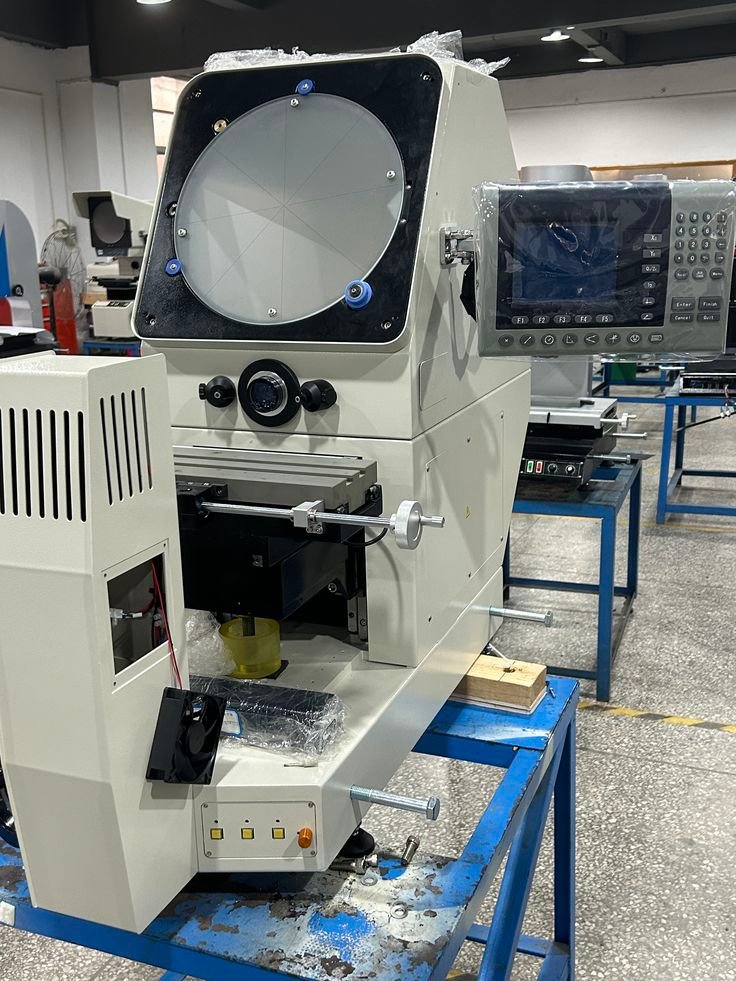
Introduction to Hardness Testing for Gears
Hardness testing for gears is a critical process in industrial manufacturing, automotive engineering, aerospace production, and heavy machinery applications. Gears operate under high loads, friction, and continuous motion, making hardness evaluation essential for ensuring durability, wear resistance, and operational reliability.
Manufacturers use hardness testing for gears to verify heat treatment quality, inspect surface hardness, and maintain consistent production standards for precision gear systems.
Why Gear Hardness Testing Is Important
Wear Resistance and Durability
Proper gear hardness improves resistance to abrasion, fatigue, and surface damage during operation.
Performance and Load Capacity
Hardness measurement helps ensure gears can withstand high torque and mechanical stress.
📎 Outbound reference:
https://en.wikipedia.org/wiki/Gear
📎 Additional reference:
https://www.iso.org/

Common Methods Used in Hardness Testing for Gears
Essai de dureté Rockwell
Rockwell testing is widely used for production inspection because it is fast and efficient.
Essai de dureté Vickers
Vickers methods provide accurate measurements for surface-hardened gear teeth and small areas.
Essai de dureté Brinell
Brinell testing is suitable for larger gears and coarse-grain materials.
Portable and Ultrasonic Testing Methods
Portable devices allow convenient inspection of installed or large gear systems.
👉 Internal link:
https://hardnesstests.com/portable-hardness-tester-equipment
How Hardness Testing for Gears Works
Indentation Testing Principles
Most hardness methods evaluate resistance to indentation under a controlled load.
Tooth Surface and Core Hardness Measurement
Testing often includes both surface hardness and core hardness evaluation.
Result Interpretation and Analysis
Results help manufacturers verify heat treatment depth and material consistency.
Types of Gears Commonly Tested
Spur Gears
Used in industrial machinery and automotive systems.
Helical Gears
Known for smoother operation and higher load capacity.
Bevel Gears
Used to transfer motion between intersecting shafts.
Worm Gears
Common in speed reduction systems and heavy equipment.
👉 Internal link:
https://hardnesstests.com/hardness-testing-for-heat-treatment
Materials Used in Gear Manufacturing
Carbon Steel Gears
Commonly used in general industrial applications.
Alloy Steel Gears
Provide improved strength and wear resistance.
Heat-Treated Gear Materials
Heat treatment improves hardness and fatigue performance.
Surface-Hardened Gears
Carburized and nitrided gears require accurate hardness verification.
Equipment Used for Gear Hardness Testing
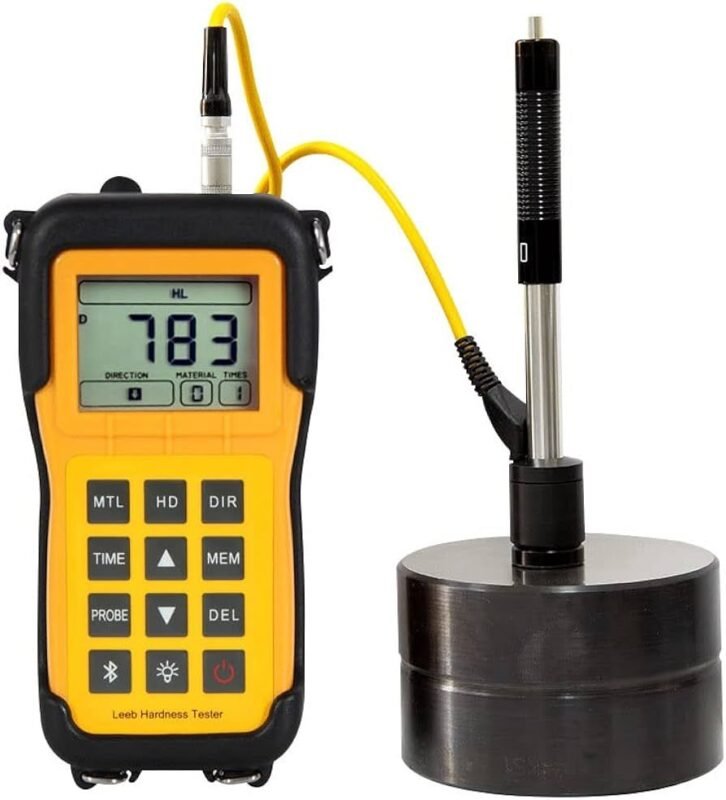
Appareils d'essai de dureté portables
Portable systems are ideal for field inspection and large gears.
Laboratory Hardness Testing Machines
Laboratory equipment provides highly precise measurements.
Automated Inspection Systems
Automated systems improve efficiency in gear production lines.
👉 Internal link:
https://hardnesstests.com/laboratory-hardness-tester
Industrial Applications of Hardness Testing for Gears
Automotive Transmission Systems
Testing ensures reliable gear performance and long service life.
Heavy Machinery
Hardness verification supports durability in mining and construction equipment.
Wind Power Equipment
Large gear systems require accurate hardness evaluation for operational safety.
Aerospace Gear Systems
Precision hardness testing supports safety-critical aerospace components.
Benefits of Hardness Testing for Gears
- Improves wear resistance evaluation
- Verifies heat treatment quality
- Enhances production consistency
- Reduces risk of gear failure
- Supports industrial quality control
Challenges and Limitations
- Complex gear geometry may complicate testing
- Surface preparation affects measurement accuracy
- Different materials require different hardness methods
Normes et conformité de l'industrie
Gear hardness testing commonly follows:
- ASTM standards → https://www.astm.org/
- ISO standards → https://www.iso.org/
- AGMA standards → https://www.agma.org/
Best Practices for Accurate Gear Testing
- Use calibrated hardness testing equipment
- Select suitable testing methods for gear materials
- Inspect both surface and core hardness
- Follow approved industrial testing procedures
Recommended Products and Internal Links
Explore related solutions:
- https://hardnesstests.com/steel-hardness-tester
- https://hardnesstests.com/ultrasonic-hardness-tester
- https://hardnesstests.com/leeb-hardness-tester
- https://hardnesstests.com/hardness-calibration-blocks
FAQs About Hardness Testing for Gears
1. Why is gear hardness testing important?
It helps ensure durability, wear resistance, and operational reliability.
2. Which hardness testing method is best for gears?
Rockwell and Vickers methods are commonly used depending on gear size and hardness level.
3. Can portable hardness testers inspect gears?
Yes, portable systems are widely used for field inspection and large gear assemblies.
4. What materials are commonly tested?
Carbon steel, alloy steel, and heat-treated gear materials are commonly tested.
5. Which industries require gear hardness testing?
Automotive, aerospace, wind power, and heavy machinery industries.
6. How often should hardness testing equipment be calibrated?
Regular calibration ensures accurate and repeatable testing results.
Conclusion
Hardness testing for gears is essential for evaluating gear durability, verifying heat treatment quality, and maintaining reliable industrial performance. By using suitable testing methods and calibrated equipment, manufacturers can achieve accurate and consistent hardness measurements for critical gear systems.

