

- Appareil d'essai de dureté Micro Vickers
- Appareil d'essai de dureté Vickers
- Capteur de dureté Vickers
- Appareil d'essai de dureté Rockwell
- Appareil d'essai de dureté Brinell
- Appareil de dureté Leeb
- Appareil de mesure de la dureté Shore
- Testeur de dureté Webster
- Appareil de mesure de la dureté Barcol
- Barre d'essai de dureté



Équipement d'essai de dureté : Guide complet pour le contrôle de la qualité industrielle

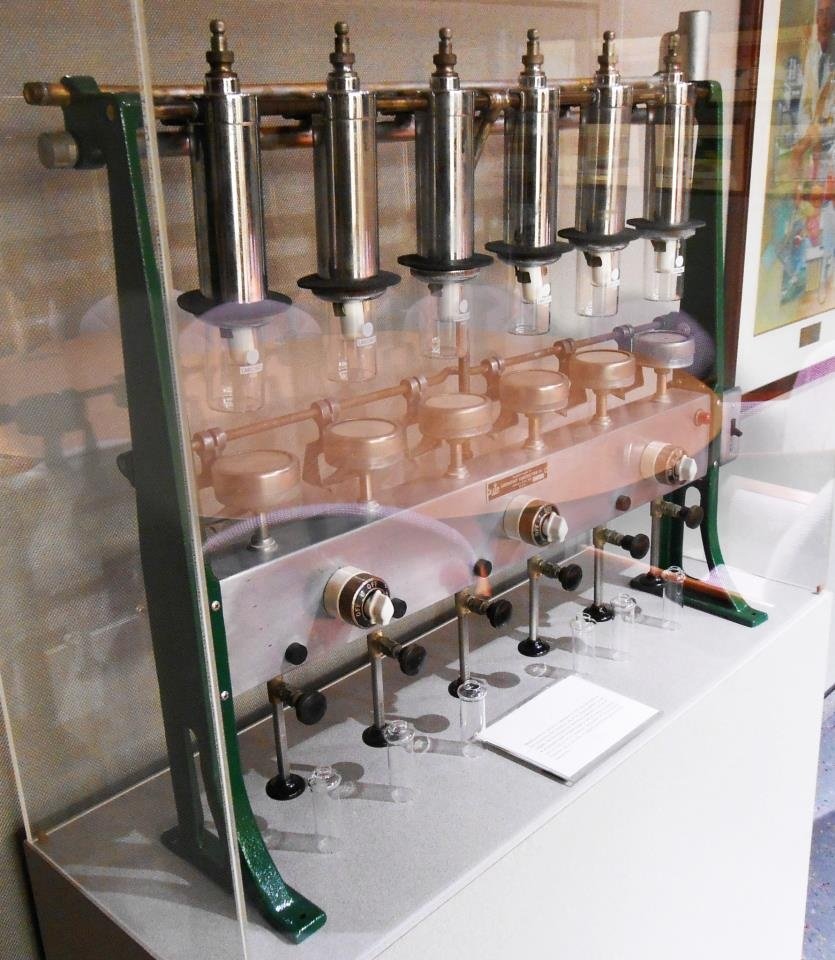
Introduction to Hardness Testing Equipment
Hardness testing equipment plays a critical role in modern manufacturing, engineering, and quality assurance. These instruments are designed to measure a material’s resistance to indentation, penetration, scratching, or deformation. By evaluating hardness, manufacturers can verify material properties, ensure product consistency, and maintain compliance with industry standards.
From automotive components and aerospace alloys to heavy machinery and precision-engineered parts, hardness measurement is one of the most widely used methods of material inspection. Reliable testing helps reduce defects, improve product performance, and increase customer confidence.
As industries continue to demand higher levels of precision and efficiency, advanced testing systems have become an essential part of quality control programs worldwide.
Why Hardness Measurement Is Important
Ensuring Product Quality
Hardness is often closely related to strength, wear resistance, and durability. Measuring hardness allows manufacturers to confirm that materials meet design and performance requirements.
Les avantages comprennent
- Consistent production quality
- Verification of manufacturing processes
- Reduced product failures
- Improved reliability
- Better customer satisfaction
Supporting Material Performance Analysis
Hardness testing helps engineers understand how materials will perform under real-world operating conditions. This information supports better design decisions and longer product life cycles.
What Is Hardness Testing Equipment?
Basic Testing Principles
Most hardness tests involve applying a controlled force to an indenter that contacts the material surface. The resulting indentation is measured and converted into a hardness value.
Typical testing steps include:
- Preparing the sample
- Applying a specified load
- Creating an indentation
- Measuring the result
- Calculating hardness values
Common Hardness Measurement Methods
Several testing methods are widely used:
| Méthode | Principe de mesure |
|---|---|
| Rockwell | Profondeur de pénétration |
| Brinell | Diamètre de pénétration |
| Vickers | Diagonal length measurement |
| Knoop | Mesure de la diagonale longue |
| Leeb | Rebound velocity |
Each method offers unique advantages depending on the material and application.
Understanding Hardness Scales
Common hardness scales include:
- HRC (Rockwell C)
- HRB (Rockwell B)
- HBW (Brinell)
- HV (Vickers)
- HK (Knoop)
- HL (Leeb)
These scales help standardize hardness values across industries.
Main Types of Hardness Testing Equipment
Rockwell Testing Systems
Rockwell systems are among the most popular solutions due to their speed and simplicity. They measure indentation depth directly and provide immediate results.
Les applications comprennent
- Steel production
- Heat-treated parts
- Manufacturing quality control
Brinell Testing Systems
Brinell testing uses a tungsten carbide ball indenter and is ideal for:
- Fonte
- Forgeage
- Acier de construction
- Heavy industrial components
Its larger indentation provides an average hardness value across a broader area.
Vickers Testing Systems
Vickers systems use a diamond pyramid indenter and offer exceptional precision.
Les avantages sont les suivants
- Wide load range
- Haute précision
- Essais sur matériaux minces
- Metallographic analysis
Microhardness Testing Systems
Microhardness testers are designed for:
- Revêtements de surface
- Microstructures
- Matériaux minces
- Composants électroniques
These systems operate under very low loads and provide highly detailed measurements.
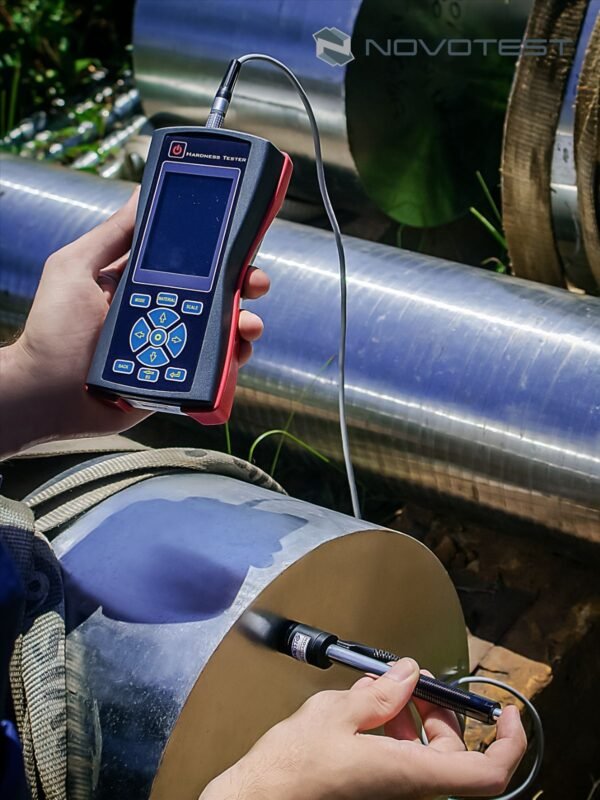
Portable Hardness Testing Devices
Portable instruments allow inspectors to measure hardness directly on-site.
Common applications include:
- Pipeline inspections
- Récipients sous pression
- Composants de la turbine
- Large machinery
Key Components of Modern Testing Equipment
Indenters and Loading Mechanisms
Different testing methods use different indenters, such as:
- Diamond cones
- Diamond pyramids
- Billes en carbure de tungstène
Accurate load application is essential for reliable measurements.
Optical Measurement Systems
Many advanced systems include:
These features improve accuracy and reduce operator influence.
Digital Displays and Software
Modern systems often provide:
- Touchscreen interfaces
- Calculs automatisés
- Analyse statistique
- Stockage des données
- Génération de rapports
Calibration and Verification Tools
Calibration blocks and verification standards help maintain testing accuracy and compliance with quality requirements.
Materials Commonly Evaluated
Acier et acier inoxydable
Hardness testing is widely used to verify material properties in structural and engineering applications.
Aluminum and Non-Ferrous Alloys
Lightweight materials often require hardness verification during manufacturing and quality control.
Cast Iron and Forged Components
Heavy industrial parts commonly undergo hardness inspection to ensure durability and performance.
Coatings and Surface Treatments
Microhardness methods are frequently used to evaluate coating quality and surface engineering processes.
Applications industrielles
Automotive Manufacturing
Applications include testing:
- Engrenages
- Paliers
- Pièces de moteur
- Suspension systems
- Composants de la transmission
Ingénierie aérospatiale
Aerospace manufacturers use hardness testing to ensure material reliability and regulatory compliance.
Industrie du pétrole et du gaz
Common applications include:
- Pipeline verification
- Pressure vessel inspection
- Drilling equipment evaluation
- Maintenance testing
Laboratoires de recherche
Scientists and engineers use hardness testing to study material behavior, microstructures, and processing effects.
Advantages of Modern Hardness Testing Equipment
Modern systems offer numerous benefits:
- Grande précision de mesure
- Fast testing cycles
- Fonctionnement automatisé
- Improved repeatability
- Documentation numérique
- Enhanced quality assurance
These advantages help manufacturers increase productivity while maintaining consistent standards.
Challenges and Limitations
Although highly effective, hardness testing can present certain challenges:
- Surface preparation requirements
- Material thickness limitations
- Environmental influences
- Calibration maintenance needs
- Proper method selection
Understanding these factors helps ensure more reliable results.
How to Choose the Right Equipment
Several factors should be considered when selecting testing equipment:
Type de matériau
Different materials require different testing methods.
Testing Volume
High-volume production may require automated systems.
Exigences de précision
Laboratory environments often demand higher precision.
Sample Size
Large workpieces may benefit from portable solutions.
Budget Considerations
Evaluate both initial costs and long-term operating expenses.
Choosing the right solution helps maximize return on investment and testing efficiency.
Normes et conformité de l'industrie
Most testing systems follow internationally recognized standards, including:
- ASTM International Standards
- Normes ISO
- EN Standards
- JIS Standards
Useful references:
Compliance ensures consistent and comparable hardness measurements across industries worldwide.
Questions fréquemment posées
1. What is hardness testing equipment used for?
It is used to measure a material’s resistance to deformation and verify quality, strength, and durability.
2. Which industries rely on hardness testing?
Automotive, aerospace, manufacturing, energy, metallurgy, and research sectors commonly use hardness testing.
3. Quels matériaux peuvent être testés ?
Steel, stainless steel, aluminum, cast iron, coatings, ceramics, and many other materials.
4. Which hardness testing method is most common?
Rockwell testing is among the most widely used due to its speed and ease of operation.
5. Pourquoi l'étalonnage est-il important ?
Calibration ensures measurement accuracy and compliance with industry standards.
6. Can modern systems generate digital reports?
Yes. Most advanced systems include software for data management, reporting, and traceability.
Conclusion
Hardness testing equipment is a vital part of modern material evaluation and quality assurance. By providing accurate measurements of a material’s resistance to deformation, these systems help manufacturers improve product quality, verify processing methods, and maintain compliance with international standards.
Whether used in production facilities, research laboratories, or field inspections, advanced testing equipment supports reliable decision-making and long-term operational success. Investing in the right solution ensures accurate results, higher productivity, and stronger quality control across a wide range of industries.