




Medidor de dureza de plásticos: la guía definitiva para realizar pruebas precisas de dureza de plásticos y llevar a cabo un control de calidad eficaz

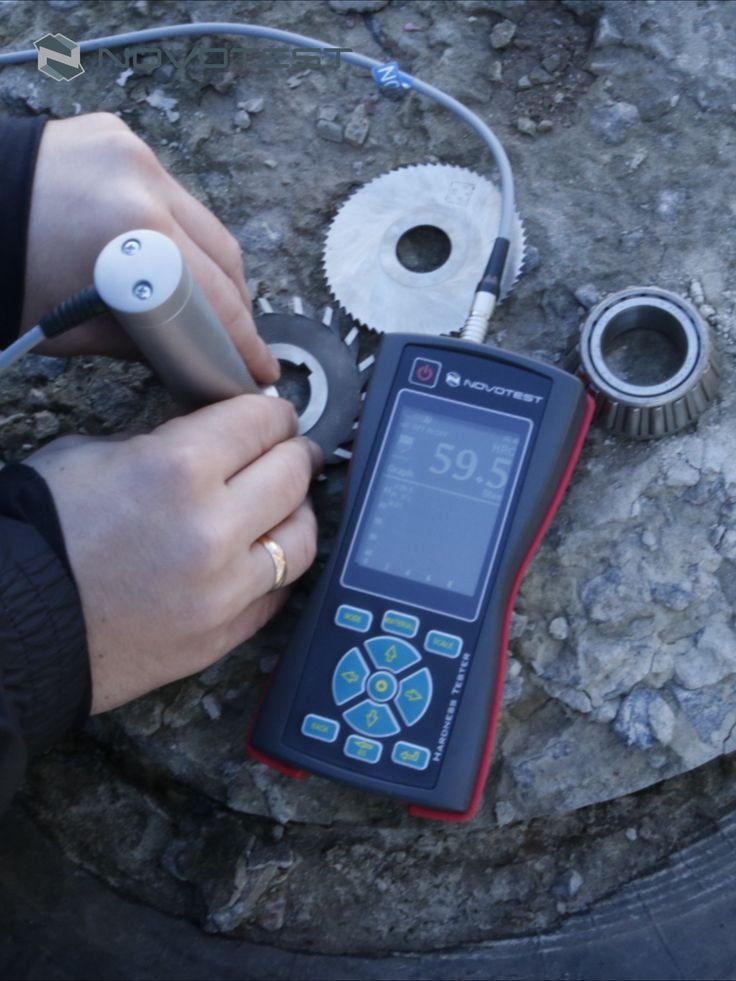
Introduction to Plastic Hardness Testers
A plastic hardness tester is a specialized instrument designed to measure the resistance of plastic materials to indentation, penetration, or deformation under a controlled force. Hardness is one of the most important mechanical properties of plastics because it directly affects wear resistance, scratch resistance, stiffness, durability, and overall product performance.
Plastic hardness testing is widely used in quality control, material development, product design, and manufacturing across industries such as automotive, medical devices, consumer electronics, packaging, aerospace, and industrial equipment. Whether evaluating flexible elastomers, rigid engineering plastics, or fiber-reinforced composites, selecting the appropriate hardness testing method ensures accurate and repeatable results.
Modern plastic hardness testers combine precision force control, digital sensors, automatic measurement systems, and intelligent software to improve testing efficiency and ensure compliance with international standards.
What Is a Plastic Hardness Tester?
Definición y finalidad
A plastic hardness tester is a testing instrument used to determine the resistance of plastic materials to permanent indentation or penetration. Different test methods and hardness scales are used depending on the material’s flexibility, thickness, and intended application.
Typical purposes include:
- Inspección de materias primas
- Control de calidad de la producción
- Desarrollo de productos
- Comparación de materiales
- Validación de procesos
- Análisis de fallos
- Calificación de proveedores
- Certificación del producto final
Why Plastic Hardness Testing Matters
Hardness testing helps manufacturers verify:
- Resistencia de la superficie
- Resistencia al desgaste
- Resistencia a los arañazos
- Consistencia del material
- Fiabilidad del producto
- Cumplimiento de las especificaciones
Accurate hardness measurements also support process optimization and help maintain consistent product quality.
Types of Plastic Materials
Termoplásticos
Thermoplastics soften when heated and can be reshaped multiple times. Common examples include:
- Polietileno (PE)
- Polipropileno (PP)
- Cloruro de polivinilo (PVC)
- Policarbonato (PC)
- Acrílico (PMMA)
Thermosetting Plastics
Thermosets permanently harden during curing and cannot be remelted.
Algunos ejemplos son:
- Epoxi
- Resina fenólica
- Melamina
- Resina de poliéster
Elastomers and Soft Polymers
Soft plastics and elastomers require specialized hardness scales.
Algunos ejemplos son:
- Silicone rubber
- Elastómeros termoplásticos (TPE)
- Polyurethane
- Caucho natural
Engineering Plastics
Engineering plastics provide higher mechanical strength and dimensional stability.
Entre los materiales más habituales se encuentran:
- Nailon (PA)
- PEEK
- Acetal (POM)
- ABS
- PPS
Reinforced Composite Plastics
Fiber-reinforced plastics combine polymer matrices with glass, carbon, or aramid fibers for improved mechanical performance.
Plastic Hardness Testing Methods
Pruebas de dureza Shore
Shore hardness testing is the most common method for plastics and elastomers. It measures the depth of penetration of a standardized indenter under a specified spring force.
Entre las escalas más comunes se encuentran:
- Orilla A – Soft rubbers and flexible plastics
- Orilla D – Hard plastics and rigid polymers
- Shore OO – Very soft foams and gels
Typical applications:
- Rubber products
- Plastic tubing
- Seals and gaskets
- Consumer products
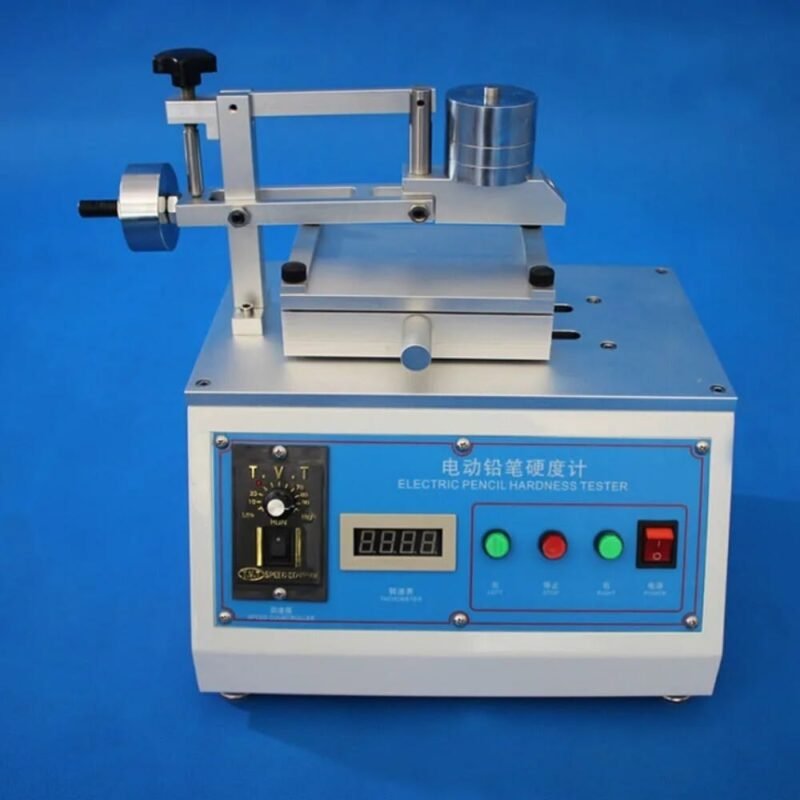
Rockwell Hardness Testing for Plastics
Rockwell testing uses controlled loads and indentation depth to measure harder plastics and engineering polymers.
Frequently used Rockwell scales for plastics include:
- Rockwell M
- Rockwell R
- Rockwell L
- Rockwell E
Las aplicaciones incluyen:
- Injection-molded parts
- Structural plastic components
- Automotive materials
Ensayo de dureza Barcol
Barcol hardness testing is commonly used for:
- Reinforced plastics
- Composite panels
- Fiberglass
- Thermosetting resins
Portable Barcol testers are widely used in field inspections.
Pruebas de Vickers y de microdureza
Microhardness testing is suitable for:
- Thin plastic sections
- Multi-layer plastics
- Surface-treated polymers
- Aplicaciones de investigación
Ensayo de indentación instrumentado
Instrumented indentation provides additional mechanical properties such as:
- Dureza
- Módulo de elasticidad
- Creep
- Viscoelastic behavior
This method is frequently used in research laboratories and advanced material characterization.
Types of Plastic Hardness Testers
Durómetros Shore
Shore durometers are portable instruments available in analog and digital versions for rapid hardness testing.
Bench Rockwell Plastic Hardness Testers
Bench-mounted Rockwell testers provide highly accurate and repeatable measurements for production laboratories.
Medidores de microdureza
Microhardness systems evaluate localized hardness in thin sections, layered plastics, and precision components.
Sistemas automáticos de ensayo de dureza
Entre los sistemas totalmente automatizados se incluyen:
- Carga controlada por servomotor
- Posicionamiento automático de muestras
- Medición digital
- Análisis estadístico
- Generación de informes
Main Components of a Plastic Hardness Tester
Sistema de carga de precisión
Servo-controlled loading systems ensure consistent test forces and repeatable results.
Punzones y sondas de ensayo
Dependiendo del método de ensayo, los instrumentos pueden utilizar:
- Mordazas de bola de acero
- Conical indenters
- Shore needles
- Diamond indenters
Sistema de medición digital
Los equipos de prueba modernos incorporan:
- High-resolution sensors
- Electronic displacement measurement
- Digital displays
- Cálculos automáticos de dureza
Software de análisis de datos
Advanced software provides:
- Análisis estadístico
- Informes de SPC
- Seguimiento de tendencias
- Exportación a PDF y Excel
- Gestión de bases de datos
Key Features of Modern Plastic Hardness Testers
Control digital de la fuerza
Electronic loading systems improve measurement consistency and reduce operator influence.
Automatic Data Collection
Digital instruments automatically record test values, reducing manual errors.
High Repeatability
Precision mechanics and electronic sensors ensure consistent measurements across multiple samples.
Informes estadísticos
Modern systems support:
- Control estadístico de procesos (SPC)
- Informes por lotes
- Quality trend analysis
- Data traceability
Aplicaciones industriales
Industria del automóvil
Comprobar:
- Acabados interiores
- Cuadros de mando
- Engranajes de plástico
- Componentes internos
Productos sanitarios
Mide la dureza de:
- Catéteres
- Jeringas
- Surgical instrument handles
- Carcasas para uso médico
Electrónica de consumo
Evalúa:
- Device housings
- Keypads
- Fundas protectoras
- Conectores
Packaging Industry
Verify hardness of:
- Plastic bottles
- Containers
- Caps
- Láminas de embalaje
Aerospace and Industrial Components
Inspect engineering plastics used in structural, insulating, and wear-resistant applications.
How to Choose the Best Plastic Hardness Tester
Tipo de material
Choose the tester based on whether the material is a soft elastomer, rigid thermoplastic, thermoset, or reinforced composite.
Selección de la escala de dureza
Select the appropriate hardness scale:
- Shore A for soft materials
- Shore D para plásticos rígidos
- Rockwell for engineering plastics
- Barcol para materiales compuestos
- Vickers for micro-scale analysis
Sample Size and Geometry
Consider part thickness, surface finish, and geometry to ensure valid measurements.
Cumplimiento de las normas
Select equipment that complies with ASTM and ISO standards applicable to plastic hardness testing.
Calibración y mantenimiento
El mantenimiento periódico debería incluir:
- Verificación mediante bloques de referencia de dureza certificados
- Limpieza de los penetradores y las superficies de contacto
- Calibración programada
- Actualizaciones de software
- Preventive maintenance
Regular calibration ensures long-term accuracy and repeatability.

Ventajas y limitaciones
Ventajas
A plastic hardness tester provides:
- Fast, non-destructive testing
- Alta repetibilidad
- Precisión de la medición digital
- Fácil manejo
- Informes automatizados
- Cumplimiento de las normas internacionales
Limitaciones
Entre las posibles limitaciones se incluyen:
- Temperature can influence plastic hardness.
- Surface finish may affect results.
- Different hardness scales are required for different materials.
- Viscoelastic behavior may require controlled dwell times.
Normas internacionales
Normas comunes relacionadas con plastic hardness tester Entre sus aplicaciones se incluyen:
- ASTM D2240 – Método de ensayo estándar para determinar las propiedades del caucho: dureza según el durómetro
- ASTM D785 – Método de ensayo estándar para la dureza Rockwell de los plásticos
- ASTM D2583 – Método de ensayo estándar para la determinación de la dureza por indentación de plásticos rígidos mediante un impresor Barcol
- ISO 868 – Plásticos y ebonita. Determinación de la dureza por indentación mediante un durómetro (dureza Shore)
- ISO 2039-2 – Plásticos. Determinación de la dureza. Dureza Rockwell
- ISO 6603 – Plastics—Impact Testing (often used alongside hardness testing for material characterization)
Fuentes oficiales:
Preguntas frecuentes
1. What is a plastic hardness tester used for?
A plastic hardness tester measures the resistance of plastic materials to indentation or penetration, helping manufacturers evaluate material quality, wear resistance, durability, and compliance with specifications.
2. Which hardness test is best for plastics?
Shore hardness testing is the most common for soft and rigid plastics. Rockwell testing is widely used for engineering plastics, while Barcol testing is suitable for reinforced composites. Microhardness methods are preferred for thin or layered materials.
3. ¿Cuál es la diferencia entre Shore A y Shore D?
Shore A is designed for soft materials such as rubber and flexible plastics, while Shore D is used for harder plastics, rigid polymers, and engineering thermoplastics.
4. Which industries use plastic hardness testers?
Plastic hardness testers are widely used in automotive manufacturing, medical devices, consumer electronics, packaging, aerospace, research laboratories, and plastics processing industries.
5. How often should a plastic hardness tester be calibrated?
La calibración debe verificarse periódicamente utilizando materiales de referencia certificados y realizarse de acuerdo con las recomendaciones del fabricante y las normas ASTM o ISO aplicables.
6. How do I choose the right plastic hardness tester?
Consider the material type, hardness scale, sample dimensions, testing standards, required accuracy, automation level, and reporting capabilities before selecting a tester.
Conclusión
A plastic hardness tester is an essential quality control instrument for evaluating the mechanical performance and consistency of plastic materials. Whether measuring soft elastomers with a Shore durometer, engineering plastics with a Rockwell tester, reinforced composites with a Barcol tester, or thin polymer layers using microhardness techniques, selecting the appropriate testing method ensures accurate, repeatable, and standards-compliant results.
By investing in a modern plastic hardness tester with precision force control, digital measurement capabilities, intelligent software, and reliable calibration, manufacturers can improve product quality, optimize production processes, reduce inspection errors, and maintain compliance across a broad range of industrial applications.