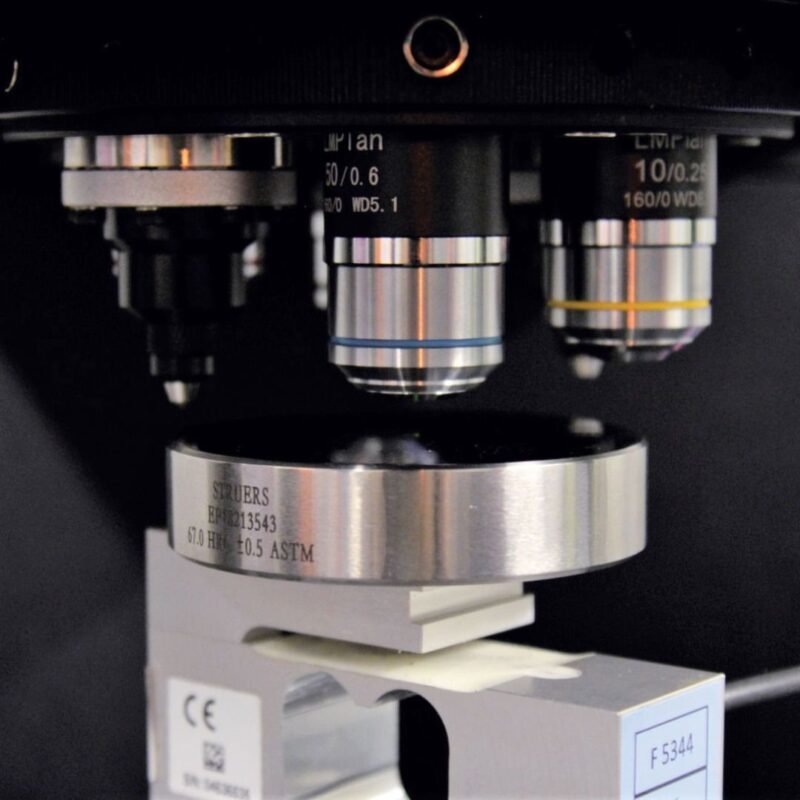
Mikro-Härteprüfer: Vollständiger Leitfaden für die präzise Materialprüfung

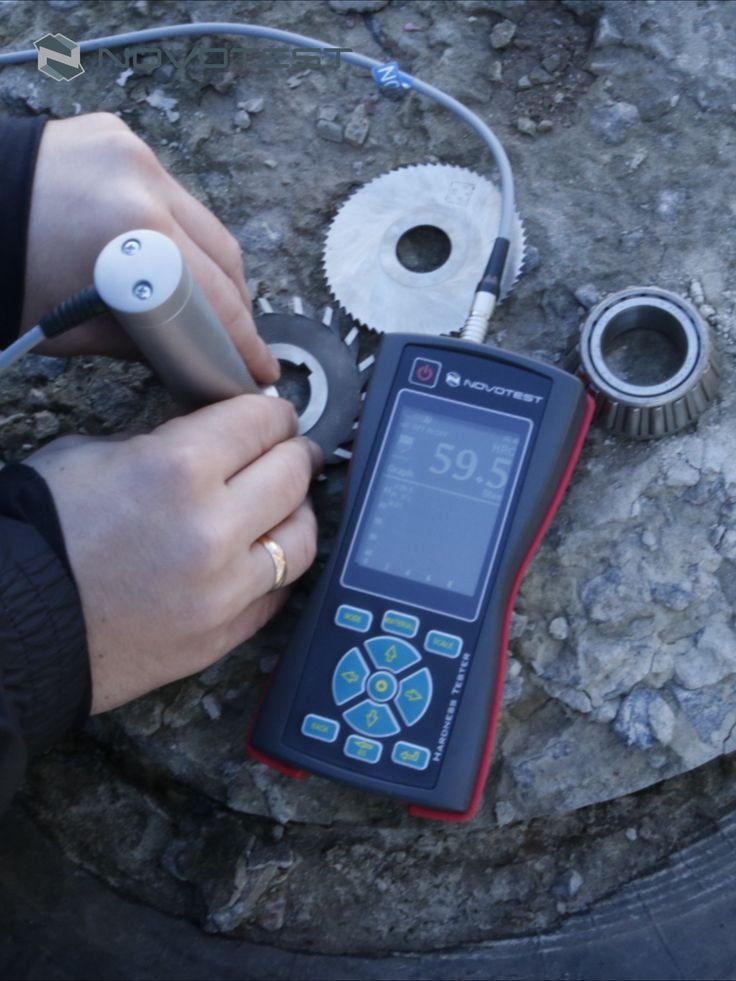
Introduction to Micro Hardness Tester
A Mikrohärtetestgerät is a precision instrument used to measure the hardness of materials at a very small scale. It is widely used in metallurgy, research laboratories, aerospace engineering, and semiconductor industries.
Unlike traditional hardness testing systems, a Mikrohärtetestgerät focuses on microstructure-level analysis, making it ideal for thin materials, coatings, and surface layers.
Why Micro Hardness Testing Is Important

Microstructure-Level Accuracy
Micro hardness testing provides detailed insight into material behavior at microscopic levels.
Thin Coatings and Surface Layer Testing
It is essential for evaluating surface treatments, plating layers, and micro coatings.
📎 Ausgehende Referenz:
https://en.wikipedia.org/wiki/Microhardness_indentation_test
📎 Zusätzlicher Hinweis:
https://www.iso.org/
How a Micro Hardness Tester Works
Indentation Principle at Micro Scale
A small indenter applies a controlled force to create a microscopic indentation.
Vickers and Knoop Microhardness Methods
Common methods include Vickers (HV) and Knoop (HK) testing.
Hardness Value Calculation (HV, HK)
Hardness is calculated based on indentation geometry and load.
👉 Interner Link:
https://hardnesstests.com/vickers-test-blocks
Common Types of Micro Hardness Testers
Micro Vickers Hardness Testers
Most widely used for metals and coatings.
Knoop-Härteprüfgeräte
Ideal for brittle materials like ceramics and glass.
Digital Micro Hardness Testers
Offer automated measurement and image analysis.
Automatic Micro Hardness Testing Systems
High-end systems for research and industrial labs.
👉 Interner Link:
https://hardnesstests.com/metallographic-hardness-tester
Üblicherweise geprüfte Materialien
Thin Metal Sheets
Used in electronics and precision engineering.
Coatings and Surface Layers
Ideal for plating, anodizing, and thin films.
Ceramics and Glass
Used for brittle and high-hardness materials.
Heat-Treated Microstructures
Helps analyze localized hardness variations.
👉 Interner Link:
https://hardnesstests.com/hardness-testing-for-coatings
Key Features of Modern Micro Hardness Testers
High-Resolution Optical Systems
Ensures precise indentation measurement.
Digital Image Measurement
Automates hardness calculation and reduces human error.
Automated Indentation Analysis
Improves efficiency in repetitive testing.
Data Storage and Reporting
Supports digital export and quality control documentation.
👉 Interner Link:
https://hardnesstests.com/precision-hardness-testing-system
Industrial Applications of Micro Hardness Tester
Metallurgical Research
Used for studying material microstructure behavior.
Aerospace Components
Ensures reliability of critical small-scale parts.
Semiconductor Materials
Used for testing wafers and micro components.
Coating Industry Inspection
Evaluates thin film hardness and durability.
👉 Interner Link:
https://hardnesstests.com/hardness-testing-for-heat-treatment
Advantages of Micro Hardness Testing
- Extremely high precision
- Suitable for microscopic analysis
- Works on thin materials and coatings
- Excellent for research applications
- Wide material compatibility
Beschränkungen und Herausforderungen
- Requires optical measurement systems
- Empfindlich gegenüber Oberflächenvorbereitung
- Slower compared to macro hardness testing
Industrienormen und Konformität
Micro hardness testing follows:
- ASTM-Normen → https://www.astm.org/
- ISO-Normen https://www.iso.org/

Bewährte Praktiken für genaue Tests
- Use calibrated micro hardness equipment
- Prepare polished sample surfaces
- Select appropriate load and indenter type
- Follow standardized testing procedures
Empfohlene Produkte und interne Links
Erkunden Sie verwandte Lösungen:
- https://hardnesstests.com/laboratory-hardness-tester
- https://hardnesstests.com/vickers-hardness-tester
- https://hardnesstests.com/hardness-calibration-blocks
- https://hardnesstests.com/hardness-testing-machine-manufacturer
FAQs About Micro Hardness Tester
1. What is a micro hardness tester used for?
It measures hardness at micro-scale for coatings, thin materials, and microstructures.
2. What methods are used in micro hardness testing?
Common methods include Vickers and Knoop testing.
3. Can it test coatings?
Yes, it is widely used for coating and surface layer testing.
4. What materials can be tested?
Metals, ceramics, glass, and semiconductor materials.
5. Why is optical measurement important?
It ensures accurate indentation measurement and hardness calculation.
6. Which industries use micro hardness testing?
Aerospace, electronics, metallurgy, and research laboratories.
Schlussfolgerung
A Mikrohärtetestgerät is a critical instrument for precision material analysis and microstructure evaluation. With advanced optical systems and standardized testing methods, it provides highly accurate hardness results for research and industrial applications.