




Brinell Hardness Testing Machine: 13 Powerful Benefits for Accurate Material Analysis

Article Outline
| Heading Level | Topic |
|---|---|
| H1 | Brinell Hardness Testing Machine |
| H2 | Introduction to Brinell Hardness Testing Machines |
| H3 | What Is a Brinell Hardness Testing Machine |
| H3 | History and Development |
| H2 | Working Principle of Brinell Hardness Testing Machine |
| H3 | Indentation Method |
| H3 | Hardness Calculation |
| H2 | Key Components of Brinell Hardness Testing Machine |
| H3 | Indenter Ball |
| H3 | Load Application System |
| H3 | Measurement System |
| H2 | Types of Brinell Hardness Testing Machines |
| H3 | Manual Machines |
| H3 | Digital Machines |
| H3 | Automatic Machines |
| H2 | Advantages of Brinell Hardness Testing Machine |
| H3 | Accurate Results for Soft Materials |
| H3 | Large Indentation Area |
| H3 | Reliable and Repeatable Testing |
| H2 | Applications of Brinell Hardness Testing Machine |
| H3 | Metal Manufacturing |
| H3 | Foundries and Forging |
| H3 | Quality Control Laboratories |
| H2 | Comparison with Other Hardness Testing Methods |
| H3 | Brinell vs Rockwell |
| H3 | Brinell vs Vickers |
| H2 | How to Choose a Brinell Hardness Testing Machine |
| H3 | Technical Specifications |
| H3 | Industry Requirements |
| H2 | Maintenance and Calibration |
| H2 | Future Trends in Hardness Testing Technology |
| H2 | Frequently Asked Questions |
| H2 | Conclusion |
Brinell Hardness Testing Machine: Complete Guide to Reliable Material Hardness Measurement
A brinell hardness testing machine is a widely used instrument for measuring the hardness of metals and alloys, particularly those with coarse grain structures or uneven surfaces. It provides reliable and accurate results, making it essential in industries such as manufacturing, metallurgy, and heavy engineering.
The machine operates based on the Brinell Hardness Test, which determines hardness by measuring the diameter of an indentation made by a hardened ball under a specific load.
Introduction to Brinell Hardness Testing Machines
Brinell hardness testing machines are fundamental tools in material testing.
What Is a Brinell Hardness Testing Machine
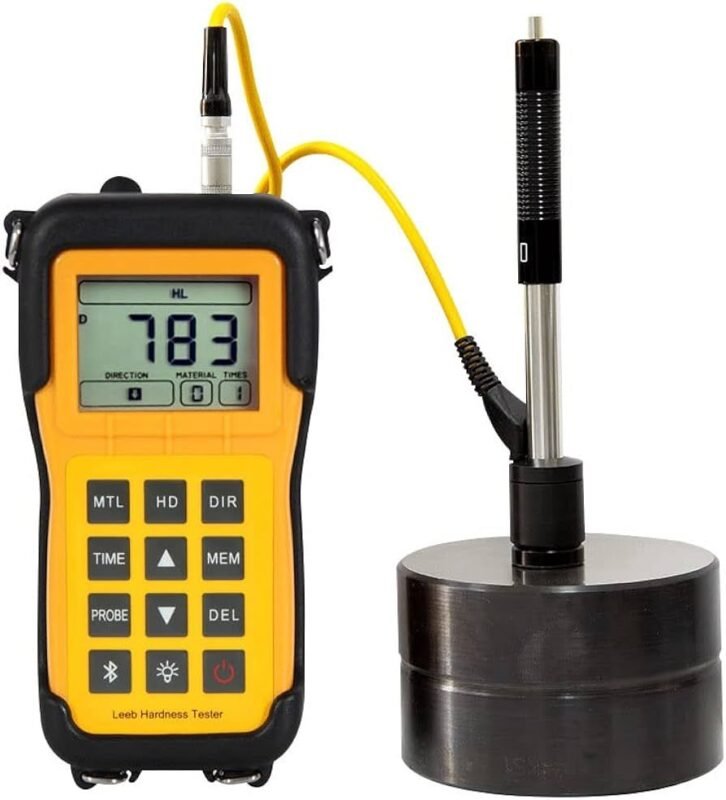
A brinell hardness testing machine is a device that measures material hardness by pressing a spherical indenter into the surface and analyzing the resulting indentation.
Key features include:
- Large indentation for better averaging of material properties
- Suitable for soft to medium-hard materials
- High reliability and repeatability
History and Development
The Brinell hardness test was developed by Swedish engineer Johan August Brinell in the early 20th century. It became one of the first standardized hardness testing methods and remains widely used today.
Working Principle of Brinell Hardness Testing Machine ⚙️
The machine operates using an indentation-based method.
Indentation Method
A hardened steel or tungsten carbide ball is pressed into the material under a specified load.
Typical parameters include:
- Indenter diameter: 1 mm to 10 mm
- Load range: 500 kgf to 3000 kgf
After applying the load for a fixed duration, the indenter is removed, leaving an indentation.
Hardness Calculation
The diameter of the indentation is measured, and the hardness value is calculated as the HB (Brinell Hardness Number).
This value represents the material’s resistance to deformation.
Key Components of Brinell Hardness Testing Machine
The machine consists of several important components.
Indenter Ball
A hardened steel or carbide ball that creates the indentation.
Load Application System
Applies the required force using:
- Hydraulic systems
- Mechanical systems
- Electronic systems
Measurement System
Measures the indentation using:
- Optical microscopes
- Digital imaging systems
- Automated measurement tools
Types of Brinell Hardness Testing Machines
Different types are available based on operation and automation.
Manual Machines
Require manual operation and measurement.
Digital Machines
Use electronic systems for measurement and display.
Automatic Machines
Perform testing, measurement, and calculation automatically.
Advantages of Brinell Hardness Testing Machine 🌟
Brinell hardness testing machines offer several benefits.
Accurate Results for Soft Materials
Ideal for testing materials like cast iron and aluminum.
Large Indentation Area
Provides an average hardness value over a larger surface area.
Reliable and Repeatable Testing
Ensures consistent results across multiple tests.
Applications of Brinell Hardness Testing Machine 🏭
These machines are widely used in various industries.
Metal Manufacturing
Used for quality control of metals and alloys.
Foundries and Forging
Ensures the hardness of cast and forged components.
Quality Control Laboratories
Used for routine testing and certification.
Comparison with Other Hardness Testing Methods
Brinell vs Rockwell
The Rockwell Hardness Test measures depth of indentation, while Brinell measures diameter.
Brinell vs Vickers
The Vickers Hardness Test uses a diamond indenter and is suitable for a wider range of materials.
How to Choose a Brinell Hardness Testing Machine 🔍
Selecting the right machine depends on your requirements.
Technical Specifications
Consider:
- Load capacity
- Indenter size
- Measurement method
- Automation level
Industry Requirements
Choose a machine that meets specific application needs and standards.
Maintenance and Calibration
Proper maintenance ensures accurate performance.
Routine Maintenance
- Clean the indenter and specimen
- Inspect components regularly
- Ensure proper alignment
Calibration
Use certified reference blocks to maintain measurement accuracy.
Future Trends in Hardness Testing Technology 🚀
The field of hardness testing is evolving rapidly.
Automation and AI Integration
Advanced systems use artificial intelligence for better accuracy.
Digital Connectivity
Machines integrate with data systems for real-time analysis.
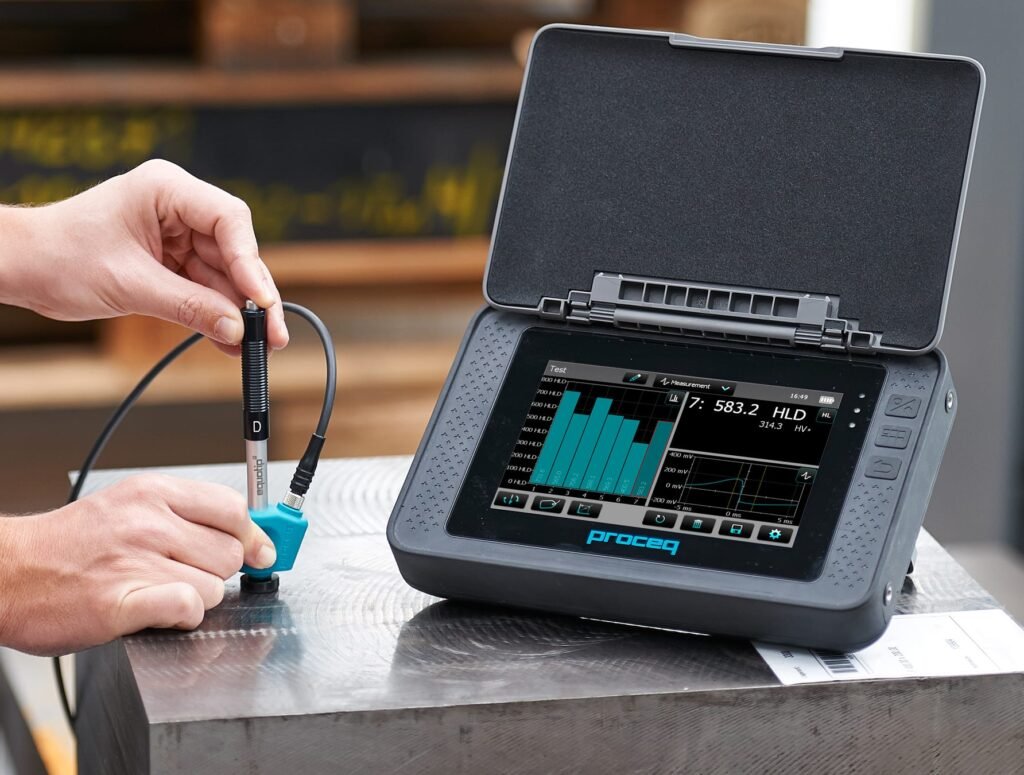
Enhanced Imaging Technology
High-resolution cameras improve measurement precision.
Smart Manufacturing Integration
Testing machines are integrated into automated production lines.
Frequently Asked Questions
What is a Brinell hardness testing machine?
It is a device used to measure material hardness using the Brinell method.
What materials can be tested?
Soft to medium-hard materials such as cast iron, aluminum, and steel.
What is the unit of measurement?
The unit is HB (Brinell Hardness Number).
Why is Brinell testing used?
It provides reliable results for materials with coarse grain structures.
How is hardness calculated?
By measuring the diameter of the indentation made by the indenter.
Is calibration necessary?
Yes, regular calibration ensures accurate and reliable results.
Conclusion
A brinell hardness testing machine is an essential tool for evaluating material hardness in industrial and laboratory settings. Based on the proven Brinell Hardness Test, it provides accurate, reliable, and repeatable results for a wide range of materials.
With advancements in automation and digital technology, modern Brinell hardness testing machines continue to evolve, offering improved efficiency and precision for quality control and material testing applications. 🔍

