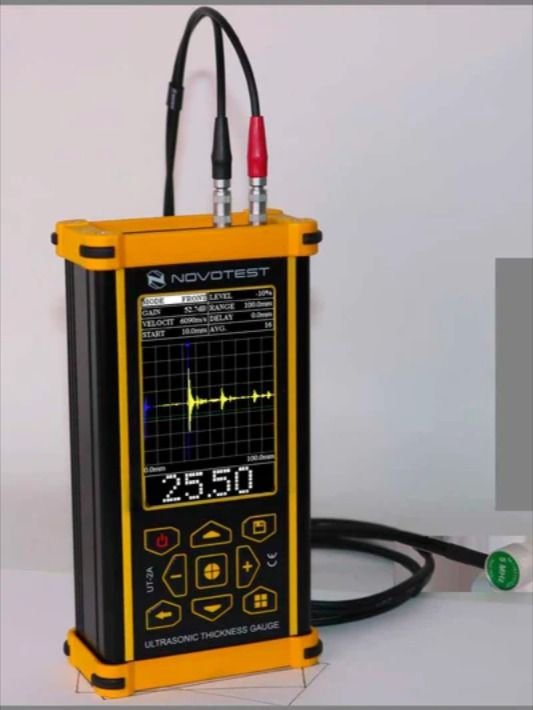
Hardness Testing Machine: Complete Guide to Precision Material Testing


Introduction to Hardness Testing Machine
A hardness testing machine is an essential instrument used to measure a material’s resistance to indentation, penetration, scratching, or deformation. In modern manufacturing and quality assurance environments, hardness measurement provides critical information about material properties, helping engineers verify product performance, durability, and compliance with industry standards.
Whether testing steel components, aluminum alloys, cast iron parts, or specialized coatings, a hardness testing machine plays a key role in ensuring consistent product quality. These systems are widely used across industries such as automotive manufacturing, aerospace engineering, energy production, metallurgy, and scientific research.
As production requirements become more demanding, manufacturers increasingly rely on advanced testing equipment to maintain high standards and reduce the risk of material failure.
Why Hardness Testing Is Important
Quality Control and Product Reliability
Hardness is often directly related to a material’s strength, wear resistance, and overall durability. Measuring hardness helps manufacturers confirm that production processes are delivering the expected material characteristics.
Benefits include:
- Improved product consistency
- Reduced manufacturing defects
- Better wear resistance evaluation
- Verification of heat treatment processes
- Enhanced customer confidence
Material Performance Verification
Hardness testing provides a fast and cost-effective way to evaluate material quality without destroying the entire component. This makes it one of the most widely used mechanical testing methods in industrial environments.
How a Hardness Testing Machine Works
Basic Testing Principles
Most hardness testing methods involve applying a controlled force to an indenter that contacts the material surface. The resulting indentation is measured and converted into a hardness value.
The testing process generally includes:
- Positioning the sample
- Applying a specified load
- Creating an indentation
- Measuring indentation size or depth
- Calculating hardness values
Indentation Measurement Methods
Different testing methods use different measurement techniques:
| Testing Method | Measurement Principle |
|---|---|
| Rockwell | Indentation depth |
| Brinell | Indentation diameter |
| Vickers | Diagonal length of indentation |
| Knoop | Long diagonal measurement |
| Leeb | Rebound velocity |
Each method is suitable for specific materials and applications.
Digital Data Collection and Analysis
Modern systems feature advanced software that automates calculations, stores testing results, and generates detailed reports. Digital technology significantly improves testing accuracy and efficiency.
Types of Hardness Testing Machine Systems
Rockwell Hardness Testing Machine
Rockwell systems measure hardness by evaluating indentation depth under controlled loads.
Advantages:
- Fast results
- Easy operation
- High productivity
- Suitable for production environments
Rockwell testing is commonly used for steel, stainless steel, and heat-treated materials.
Brinell Hardness Testing Machine
Brinell systems use a tungsten carbide ball indenter to create a larger indentation.
Applications include:
- Cast iron
- Forgings
- Structural steel
- Heavy industrial components
This method provides excellent averaging over rough or coarse-grain materials.
Vickers Hardness Testing Machine
Vickers testing uses a diamond pyramid indenter and optical measurement.
Key benefits:
- High precision
- Wide load range
- Suitable for thin materials
- Excellent for metallographic studies
Microhardness Testing Machine
Microhardness systems operate under very low loads and are designed for:
- Thin coatings
- Surface treatments
- Electronic components
- Microstructural analysis
These systems are widely used in research laboratories and advanced manufacturing facilities.
Key Components of a Hardness Testing Machine

Indenters and Loading Systems
Different testing methods require specific indenters, including:
- Diamond cone indenters
- Diamond pyramid indenters
- Tungsten carbide balls
Precision load application is essential for accurate and repeatable results.
Optical Measurement Systems
Many modern machines include high-resolution microscopes and imaging systems for accurate indentation analysis.
Digital Displays and Software
Advanced interfaces provide:
- Automated calculations
- Data storage
- Statistical analysis
- Report generation
- Network connectivity
Calibration Accessories
Certified calibration blocks help verify equipment performance and ensure measurement accuracy over time.
Materials Commonly Tested
Steel and Stainless Steel
Hardness testing is frequently used to verify mechanical properties in manufacturing and construction applications.
Cast Iron and Forged Components
Heavy industrial parts often require routine hardness verification to ensure durability and performance.
Aluminum and Non-Ferrous Alloys
Lightweight materials used in transportation and aerospace industries commonly undergo hardness evaluation.
Coatings and Heat-Treated Materials
Specialized testing methods help assess surface treatments, plating systems, and thermal processing results.
Industrial Applications of Hardness Testing Machine Equipment
Automotive Manufacturing
Automotive companies use hardness testing to inspect:
- Gears
- Bearings
- Engine components
- Suspension systems
- Transmission parts
Aerospace Engineering
Aircraft materials must meet strict performance requirements. Hardness testing helps verify structural integrity and material consistency.
Oil and Gas Industry
Applications include:
- Pipeline inspection
- Pressure vessel evaluation
- Drilling equipment verification
- Maintenance inspections
Research and Metallurgical Laboratories
Researchers use hardness testing to study:
- Material behavior
- Microstructure characteristics
- Heat treatment effects
- Coating performance
Benefits of Modern Hardness Testing Machine Technology
Modern testing systems offer significant advantages:
- High measurement accuracy
- Automated operation
- Improved repeatability
- Faster testing cycles
- Digital reporting capabilities
- Better quality control processes
Automation also reduces operator influence, resulting in more consistent testing results.
Common Challenges and Limitations
Although highly effective, hardness testing can present challenges:
- Surface preparation requirements
- Material thickness limitations
- Environmental influences
- Calibration needs
- Method selection complexity
Proper training and equipment maintenance help overcome these challenges.
How to Choose the Right Hardness Testing Machine
Selecting the appropriate system depends on several factors:
Material Type
Different materials may require different testing methods.
Sample Size
Large components may require specialized equipment.
Testing Volume
High-production environments benefit from automated systems.
Accuracy Requirements
Laboratory applications often require higher precision than routine production inspections.

Budget Considerations
Consider both initial investment and long-term operating costs.
Evaluating these factors helps ensure the best return on investment.
Industry Standards and Compliance
Hardness testing equipment commonly follows international standards such as:
- ASTM International
- ISO Standards
- EN Standards
- JIS Standards
Reference resources:
Compliance with these standards ensures reliable and comparable results worldwide.
Frequently Asked Questions
1. What is a hardness testing machine used for?
It measures a material’s resistance to indentation and helps evaluate quality, strength, and wear resistance.
2. Which industries use hardness testing equipment?
Automotive, aerospace, energy, manufacturing, metallurgy, and research industries.
3. What materials can be tested?
Steel, aluminum, cast iron, stainless steel, coatings, ceramics, and many other materials.
4. What is the most common hardness testing method?
Rockwell testing is among the most widely used due to its speed and simplicity.
5. Why is calibration important?
Calibration ensures testing accuracy and compliance with industry standards.
6. Can modern machines generate digital reports?
Yes. Most advanced systems include software for data storage, analysis, and reporting.
Conclusion
A hardness testing machine is one of the most important tools in modern material evaluation and quality assurance. By providing accurate measurements of material resistance to deformation, these systems help manufacturers verify product quality, improve reliability, and meet industry standards.
From Rockwell and Brinell testing to Vickers and microhardness applications, today’s advanced testing solutions support a wide range of industrial and laboratory requirements. Investing in the right equipment ensures consistent results, improved productivity, and long-term quality control success.