




Hardness Tester Buyer’s Guide Complete Guide 39 Expert Tips to Choose the Right Testing Solution


Outline for the Article on Hardness Tester Buyer’s Guide
| Topic Area | Detailed Coverage with LSI Keywords |
|---|---|
| Introduction to Hardness Tester Buyer’s Guide | hardness tester selection |
| What Is a Hardness Tester | hardness measurement device |
| Why a Buyer’s Guide Is Important | correct tester choice |
| Role of Hardness Testing in Industry | quality control |
| Common Mistakes When Buying Hardness Testers | wrong selection |
| Understanding Material Hardness | metal hardness |
| Types of Hardness Testing Methods | Rockwell, Brinell |
| Rockwell Hardness Tester Overview | production testing |
| Brinell Hardness Tester Overview | cast materials |
| Vickers Hardness Tester Overview | precision hardness |
| Microhardness Testing Overview | thin layers |
| Portable Hardness Tester Overview | field testing |
| Digital Hardness Testers | data accuracy |
| Automatic Hardness Testers | high throughput |
| Bench vs Portable Hardness Testers | application comparison |
| Hardness Tester for Metals | steel, aluminum |
| Hardness Tester for Plastics | polymers |
| Hardness Tester for Heat-Treated Parts | process control |
| Hardness Tester for Welding Inspection | weld hardness |
| Accuracy and Repeatability | measurement quality |
| Load Range and Indenters | testing capability |
| Test Speed and Productivity | efficiency |
| Ease of Use and Operator Skill | usability |
| Data Management and Connectivity | traceability |
| Compliance with Standards | ASTM, ISO |
| Calibration and Maintenance | reliability |
| Laboratory vs Production Environment | usage conditions |
| Budget and Total Cost of Ownership | ROI |
| After-Sales Support and Service | supplier reliability |
| Safety Considerations | operator protection |
| Choosing a Reliable Supplier | brand trust |
| Johoyd Hardness Tester Solutions | brand expertise |
| Future Trends in Hardness Testers | automation |
| Buyer Checklist | decision tool |
| FAQs | common questions |
| Conclusion | summary |
Introduction
A hardness tester buyer’s guide is essential for engineers, quality managers, and laboratory professionals who need reliable hardness measurements. With many hardness testing methods, machine types, and automation levels available, choosing the wrong tester can lead to inaccurate results, wasted budget, and production delays.
This guide explains everything you need to consider before purchasing a hardness tester, ensuring you select a solution that fits your material, application, and long-term testing needs.
Hardness Tester Buyer’s Guide
A hardness tester buyer’s guide provides structured guidance for evaluating hardness testing machines based on application requirements, standards, and operational conditions.
An informed purchase reduces risk.
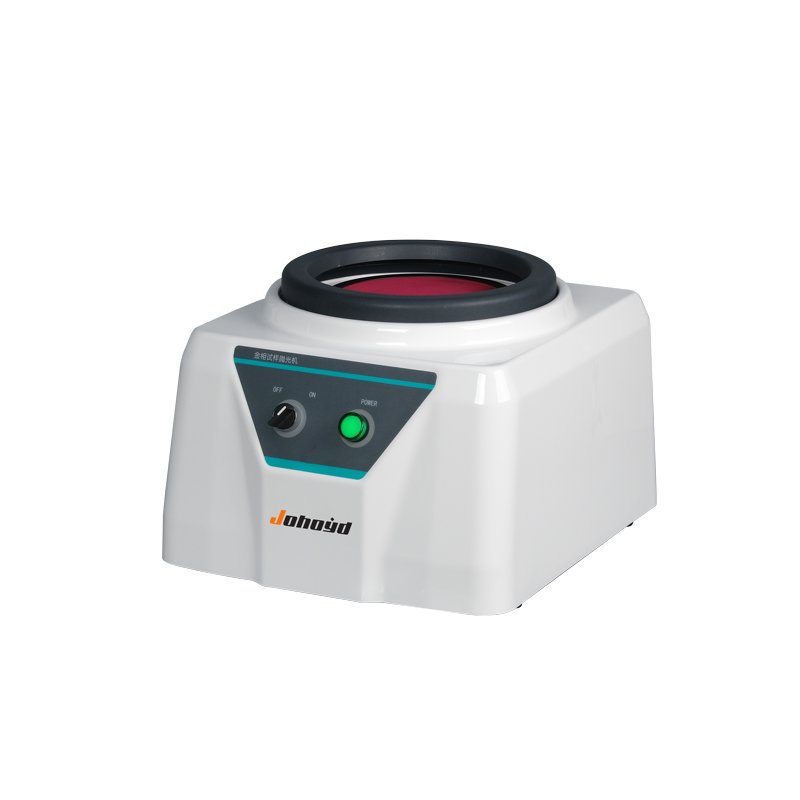
What Is a Hardness Tester
A hardness tester is a device used to measure a material’s resistance to indentation. It provides a numerical hardness value that correlates with strength, wear resistance, and durability.
Hardness supports material decisions.
Why a Buyer’s Guide Is Important
Without a buyer’s guide, users often select testers based only on price or familiarity. This approach may ignore accuracy, standards, and future needs.
Guidance prevents costly mistakes.
Role of Hardness Testing in Industry
Hardness testing is widely used in manufacturing, automotive, aerospace, construction, and research laboratories to ensure consistent material quality.
Testing supports reliability.
Common Mistakes When Buying Hardness Testers
Common mistakes include choosing the wrong test method, ignoring standards, underestimating sample size limitations, and overlooking calibration needs.
Avoidable errors increase costs.
Understanding Material Hardness
Material hardness varies based on composition, heat treatment, and processing history. Understanding material behavior helps select the right test method.
Knowledge improves accuracy.
Types of Hardness Testing Methods
Common hardness testing methods include Rockwell, Brinell, Vickers, microhardness, and portable rebound testing.
Each method serves different needs.
Rockwell Hardness Tester Overview
Rockwell testers are fast, easy to use, and ideal for production environments. They are widely used for steels and heat-treated parts.
Speed improves productivity.
Brinell Hardness Tester Overview
Brinell testers use large indenters and loads, making them suitable for castings and coarse-grained materials.
Average hardness is measured.
Vickers Hardness Tester Overview
Vickers testers provide high accuracy and are suitable for thin materials and precision applications.
Precision supports engineering.
Microhardness Testing Overview
Microhardness testers evaluate surface layers, coatings, and heat-affected zones.
Small loads reveal details.
Portable Hardness Tester Overview
Portable hardness testers allow on-site testing of large or assembled components.
Mobility increases flexibility.
Digital Hardness Testers
Digital hardness testers offer automated measurement, data storage, and error reduction.
Digital systems improve traceability.
Automatic Hardness Testers
Automatic testers increase throughput and minimize operator influence.
Automation improves consistency.
Bench vs Portable Hardness Testers
Bench testers offer higher precision, while portable testers provide convenience.
Application defines choice.
Hardness Tester for Metals
Metal hardness testers must handle a wide range of materials such as steel, aluminum, and alloys.
Versatility is important.
Hardness Tester for Plastics
Plastics require lower loads and different scales such as Shore hardness.
Material-specific testing is critical.
Hardness Tester for Heat-Treated Parts
Heat-treated components require precise hardness verification to ensure proper processing.
Verification prevents failure.
Hardness Tester for Welding Inspection
Weld hardness testing identifies brittle zones and verifies welding procedures.
Weld quality matters.
Accuracy and Repeatability
Accuracy ensures correct values, while repeatability ensures consistency.
Both define measurement quality.
Load Range and Indenters
Load range and indenter type determine the materials and thickness that can be tested.
Capability must match application.
Test Speed and Productivity
High-volume production requires fast testing cycles.
Efficiency saves time.
Ease of Use and Operator Skill
User-friendly interfaces reduce training requirements and errors.
Ease of use improves adoption.

Data Management and Connectivity
Modern hardness testers support USB, software integration, and reporting.
Data supports audits.
Compliance with Standards
Hardness testers must comply with ASTM and ISO standards.
Compliance ensures acceptance.
Calibration and Maintenance
Regular calibration maintains accuracy and extends equipment life.
Maintenance protects investment.
Laboratory vs Production Environment
Laboratory testing emphasizes precision, while production testing prioritizes speed.
Environment defines priorities.
Budget and Total Cost of Ownership
Consider not only purchase price but also maintenance, calibration, and service costs.
Long-term value matters.
After-Sales Support and Service
Reliable service ensures uptime and confidence.
Support adds value.
Safety Considerations
Proper guarding, training, and procedures ensure safe operation.
Safety protects operators.
Choosing a Reliable Supplier
A reputable supplier offers technical support, training, and compliance documentation.
Trust supports success.
Johoyd Hardness Tester Solutions
Choosing the right hardness tester buyer’s guide leads to reliable equipment and long-term value. Johoyd, through https://hardnesstests.com, provides professional hardness testing machines, portable testers, and automated solutions designed for manufacturing, quality control, and research, combining accuracy, durability, and international standards compliance.
Future Trends in Hardness Testers
Future trends include automation, AI-assisted analysis, and smart factory integration.
Innovation continues.
Buyer Checklist
- Define material and hardness range
- Select appropriate test method
- Confirm standards compliance
- Evaluate automation needs
- Consider data management
- Assess service support

Frequently Asked Questions
Why use a hardness tester buyer’s guide?
It helps select the right tester efficiently.
Which hardness tester is most common?
Rockwell testers are widely used.
Are portable hardness testers accurate?
Yes, when properly calibrated.
Do hardness testers require calibration?
Yes, regular calibration is essential.
Is automation necessary?
It depends on testing volume.
Which standards apply to hardness testing?
ASTM and ISO standards are common.
Conclusion
A well-structured hardness tester buyer’s guide ensures you choose a testing solution that delivers accurate, repeatable, and compliant results. By understanding materials, testing methods, and operational requirements, buyers can avoid costly mistakes and maximize return on investment.
With expert hardness testing solutions from Johoyd available at hardnesstests.com, organizations gain access to reliable equipment supported by professional service and global standards. Selecting the right hardness tester today ensures quality, efficiency, and confidence for years to come.
Suggested Internal Links
- Hardness Testing Machine
- Portable Hardness Tester
Suggested Outbound Links
- ASTM Hardness Testing Standards
- ISO Hardness Measurement Guidelines