




Vickers Hardness Tester Complete Guide 30 Precision Insights for Accurate Material Testing

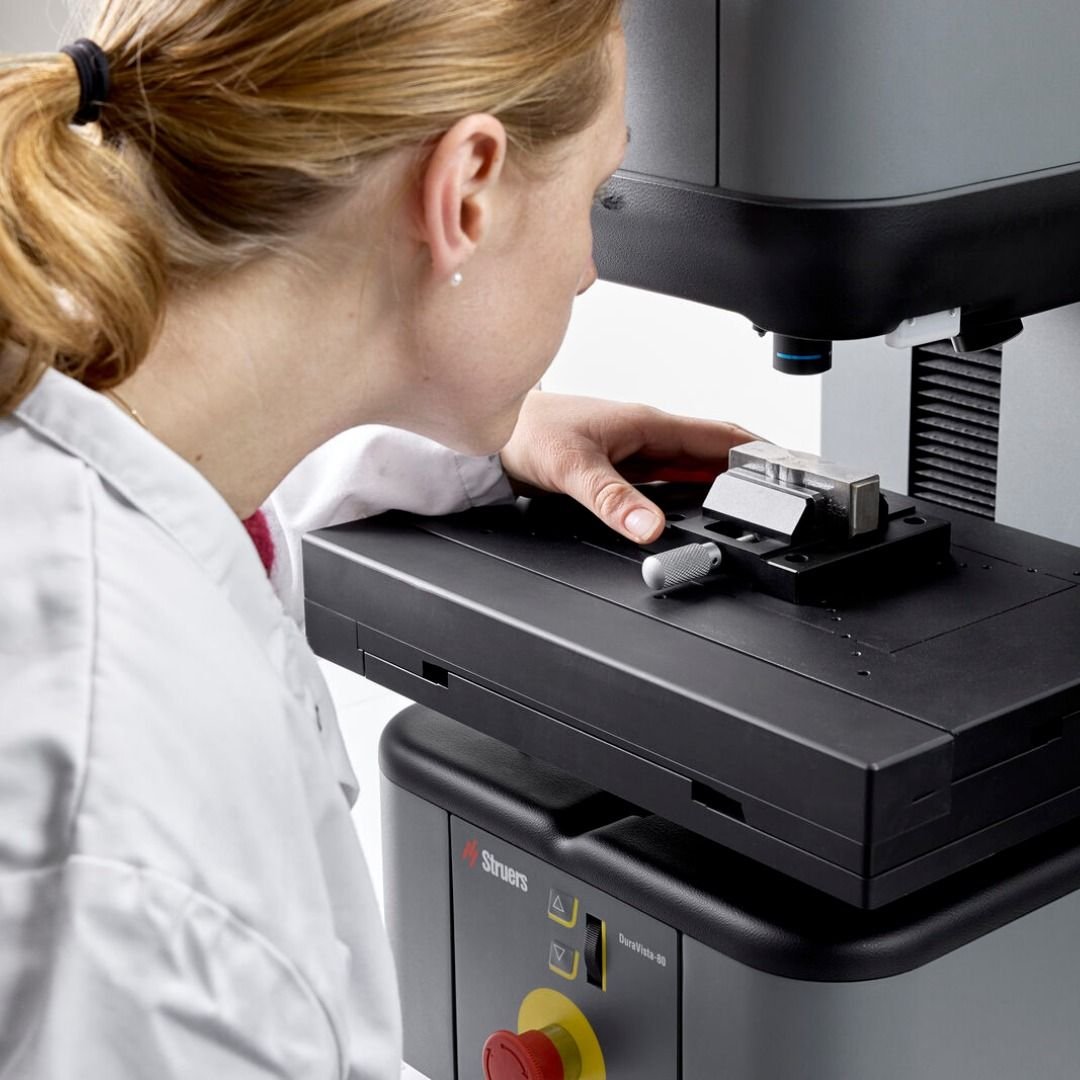
Outline for the Article on Vickers Hardness Tester
| Topic Area | Detailed Coverage with LSI Keywords |
|---|---|
| Introduction to Vickers Hardness Tester | Vickers hardness measurement |
| What Is a Vickers Hardness Tester | diamond pyramid indenter |
| History of Vickers Hardness Testing | Vickers method development |
| Why Vickers Hardness Testing Is Important | precision hardness testing |
| Basic Principle of Vickers Hardness Testing | diagonal measurement method |
| Vickers Hardness Test Procedure | step-by-step testing |
| Vickers Hardness Scale Explained | HV scale |
| Vickers Indenter Design | square-based diamond pyramid |
| Test Loads in Vickers Testing | micro and macro loads |
| Vickers Hardness Tester Components | optics and load system |
| Types of Vickers Hardness Testers | manual, digital, automatic |
| Manual Vickers Hardness Tester | optical measurement |
| Digital Vickers Hardness Tester | camera-based measurement |
| Automatic Vickers Hardness Tester | automated indentation |
| Micro Vickers Hardness Tester | low-load precision testing |
| Macro Vickers Hardness Tester | bulk material evaluation |
| Benchtop Vickers Hardness Testers | laboratory applications |
| Floor-Standing Vickers Hardness Testers | industrial testing |
| Vickers Hardness Testing for Metals | steel, alloys |
| Vickers Hardness Testing for Coatings | thin layers |
| Vickers Hardness Testing for Welds | hardness profiling |
| Vickers Hardness Testing in Manufacturing | quality assurance |
| Vickers Hardness Testing in Quality Control | inspection reliability |
| Vickers Hardness Testing in R&D | material development |
| Accuracy and Repeatability | measurement consistency |
| Factors Affecting Vickers Test Results | surface preparation |
| Sample Preparation for Vickers Testing | polishing requirements |
| Standards for Vickers Hardness Testing | ASTM E92, ISO 6507 |
| Calibration of Vickers Hardness Testers | traceability |
| Advantages of Vickers Hardness Tester | wide applicability |
| Limitations of Vickers Hardness Tester | method constraints |
| Vickers vs Other Hardness Tests | comparison |
| Choosing a Vickers Hardness Tester | buyer guide |
| Maintenance and Service | long-term performance |
| Johoyd Vickers Hardness Tester Solutions | brand expertise |
| Future Trends in Vickers Hardness Testing | automation |
| FAQs | common questions |
| Conclusion | summary |
Introduction
The Vickers hardness tester is one of the most versatile and precise hardness testing instruments used in material science and engineering. By employing a diamond pyramid indenter and a wide range of test loads, Vickers hardness testing can be applied to both very soft and extremely hard materials. Its ability to test thin sections, surface layers, and microstructural features makes it indispensable in laboratories, quality control departments, and research environments.
Unlike methods that rely on depth measurement or large indentations, Vickers hardness testing uses optical measurement of indentation diagonals. This approach provides excellent accuracy and repeatability, especially when evaluating fine-grained materials, coatings, and weld zones. This article offers a comprehensive guide to the Vickers hardness tester, covering its principles, applications, advantages, and best practices.
Vickers Hardness Tester
A Vickers hardness tester measures hardness by pressing a diamond pyramid indenter into a material surface and calculating hardness from the indentation size.
Precision defines its strength.
What Is a Vickers Hardness Tester
A Vickers hardness tester is a hardness testing machine that uses a square-based diamond pyramid indenter and controlled test loads to determine material hardness.
One method covers a wide range.
History of Vickers Hardness Testing
The Vickers method was developed to provide a single hardness scale suitable for all materials.
Uniformity improved comparability.
Why Vickers Hardness Testing Is Important
Vickers testing delivers accurate hardness values for thin materials, coatings, and microstructures.
Precision supports advanced analysis.
Basic Principle of Vickers Hardness Testing
The test applies a known force through a diamond indenter and measures the diagonal lengths of the resulting indentation.
Geometry determines hardness.
Vickers Hardness Test Procedure
The procedure includes applying a specific load, holding it for a defined time, removing the load, and measuring indentation diagonals using optics.
Clear steps ensure repeatability.
Vickers Hardness Scale Explained
Vickers hardness values are expressed as HV, regardless of load.
Single scale simplifies comparison.
Vickers Indenter Design
The Vickers indenter is a square-based diamond pyramid with a precise angle.
Diamond ensures durability.
Test Loads in Vickers Testing
Vickers testing supports a wide load range, from micro loads to macro loads.
Flexibility defines versatility.
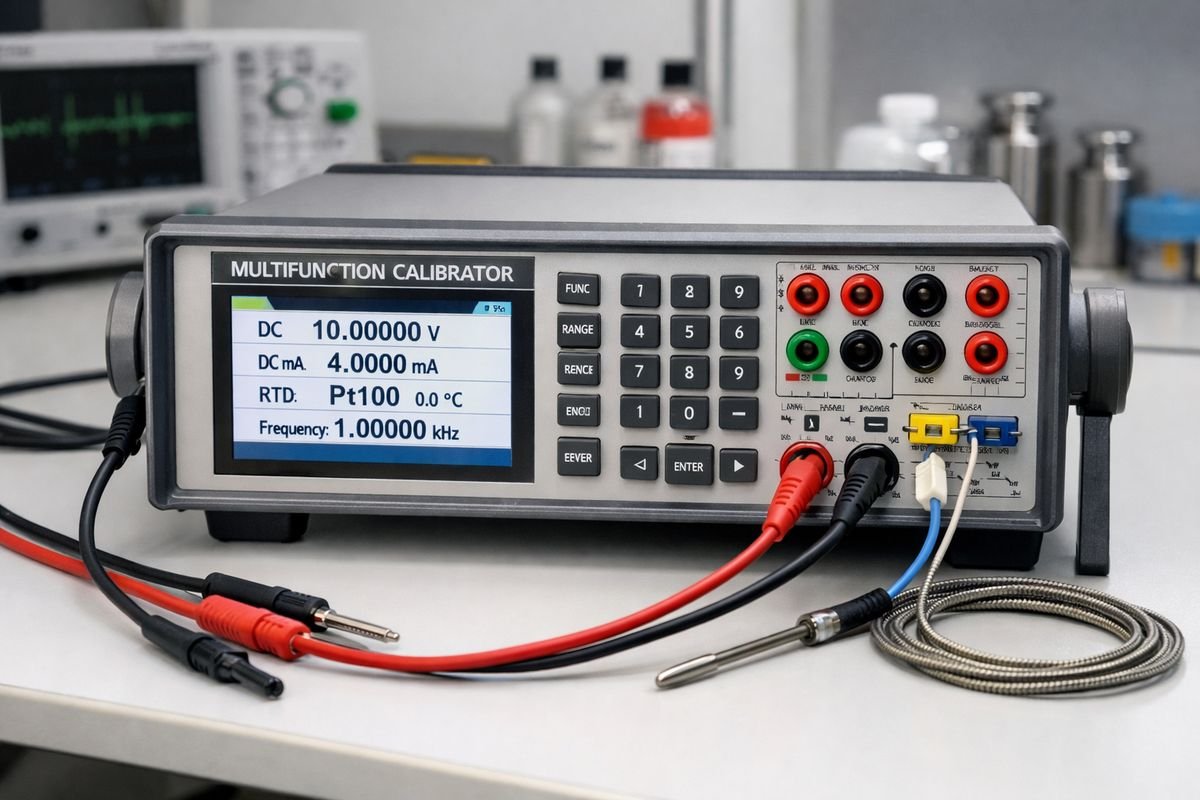
Vickers Hardness Tester Components
Key components include the rigid frame, load system, indenter assembly, optical microscope, and measurement software.
Integration ensures accuracy.
Types of Vickers Hardness Testers
Vickers hardness testers are available in manual, digital, and automatic configurations.
Technology improves efficiency.
Manual Vickers Hardness Tester
Manual testers rely on operator-controlled load application and optical measurement.
Skill influences results.
Digital Vickers Hardness Tester
Digital systems use cameras and software to measure indentation diagonals automatically.
Digital optics enhance accuracy.
Automatic Vickers Hardness Tester
Automatic Vickers testers perform indentation and measurement with minimal operator input.
Automation improves consistency.
Micro Vickers Hardness Tester
Micro Vickers testers are used for thin coatings, surface treatments, and microstructural analysis.
Low loads protect samples.
Macro Vickers Hardness Tester
Macro Vickers testing evaluates bulk hardness using higher loads.
Bulk properties remain accessible.
Benchtop Vickers Hardness Testers
Benchtop models are ideal for laboratories and quality control rooms.
Compact design supports precision.
Floor-Standing Vickers Hardness Testers
Floor-standing testers handle large or heavy samples.
Capacity expands application scope.
Vickers Hardness Testing for Metals
Vickers testing is suitable for steel, aluminum, copper, titanium, and alloys.
Material versatility is unmatched.
Vickers Hardness Testing for Coatings
Thin coatings benefit from Vickers microhardness testing.
Surface layers require precision.
Vickers Hardness Testing for Welds
Hardness mapping across weld zones reveals heat-affected regions.
Profiles support weld quality.
Vickers Hardness Testing in Manufacturing
Manufacturers use Vickers testing for process control and verification.
Accurate data supports decisions.
Vickers Hardness Testing in Quality Control
Quality control teams rely on Vickers testing for consistent inspection results.
Repeatability ensures compliance.
Vickers Hardness Testing in R&D
Research laboratories use Vickers testing to study microstructures and new materials.
Detail supports innovation.
Accuracy and Repeatability
Properly calibrated Vickers hardness testers provide excellent accuracy and repeatability.
Consistency builds confidence.
Factors Affecting Vickers Test Results
Surface finish, load selection, indenter condition, and operator technique influence results.
Control reduces variability.
Sample Preparation for Vickers Testing
Samples often require fine grinding and polishing.
Preparation ensures clear indentation.
Standards for Vickers Hardness Testing
Vickers testing follows ASTM E92 and ISO 6507 standards.
Standards ensure global acceptance.
Calibration of Vickers Hardness Testers
Calibration using certified reference blocks maintains accuracy and traceability.
Regular checks protect reliability.
Advantages of Vickers Hardness Tester
Advantages include wide applicability, single hardness scale, and high precision.
Versatility drives popularity.
Limitations of Vickers Hardness Tester
Vickers testing requires good surface preparation and optical measurement.
Preparation adds time.

Vickers vs Other Hardness Tests
Compared to Rockwell and Brinell, Vickers testing offers greater precision for thin materials.
Each method serves a role.
Choosing a Vickers Hardness Tester
Selection depends on load range, automation needs, sample size, and application.
Clear goals simplify choice.
Maintenance and Service
Routine cleaning, inspection, and calibration ensure long-term performance.
Care protects investment.
Johoyd Vickers Hardness Tester Solutions
Precise Vickers hardness testers are essential for advanced material evaluation. Johoyd, through https://hardnesstests.com, offers a comprehensive range of manual, digital, and automatic Vickers hardness testers designed to meet ASTM and ISO standards. Johoyd solutions support laboratories, manufacturers, and research institutions with reliable performance and long-term accuracy.
Future Trends in Vickers Hardness Testing
Future developments include full automation, digital data integration, and smart laboratory connectivity.
Innovation continues to refine precision.
Frequently Asked Questions
What materials can be tested with a Vickers hardness tester?
Most metals, alloys, and coatings.
Is Vickers testing suitable for thin materials?
Yes, especially with micro loads.
Does Vickers testing damage samples?
It leaves small indentations but is often acceptable.
Is calibration required for Vickers testers?
Yes, regular calibration is essential.
Can Vickers testing be automated?
Yes, modern systems offer full automation.
Why is surface preparation important in Vickers testing?
Clear indentation edges are required for accuracy.
Conclusion
The Vickers hardness tester stands out as one of the most precise and versatile tools for material hardness evaluation. By using a diamond pyramid indenter and a single hardness scale, Vickers testing delivers accurate and repeatable results across a wide range of materials and thicknesses.
With advanced Vickers hardness tester solutions from Johoyd available at hardnesstests.com, laboratories and manufacturers can achieve reliable, standards-compliant hardness measurements. Selecting the right Vickers hardness tester ensures confidence, consistency, and long-term value in material testing.
Suggested Internal Links
- Micro Hardness Tester
- Rockwell Hardness Tester
Suggested Outbound Links
- ASTM E92 Vickers Hardness Standard
- ISO 6507 Vickers Hardness Testing