




Üretim için Sertlik Test Cihazı Güç Kılavuzu Güvenilir Üretim için Temel Çözümler

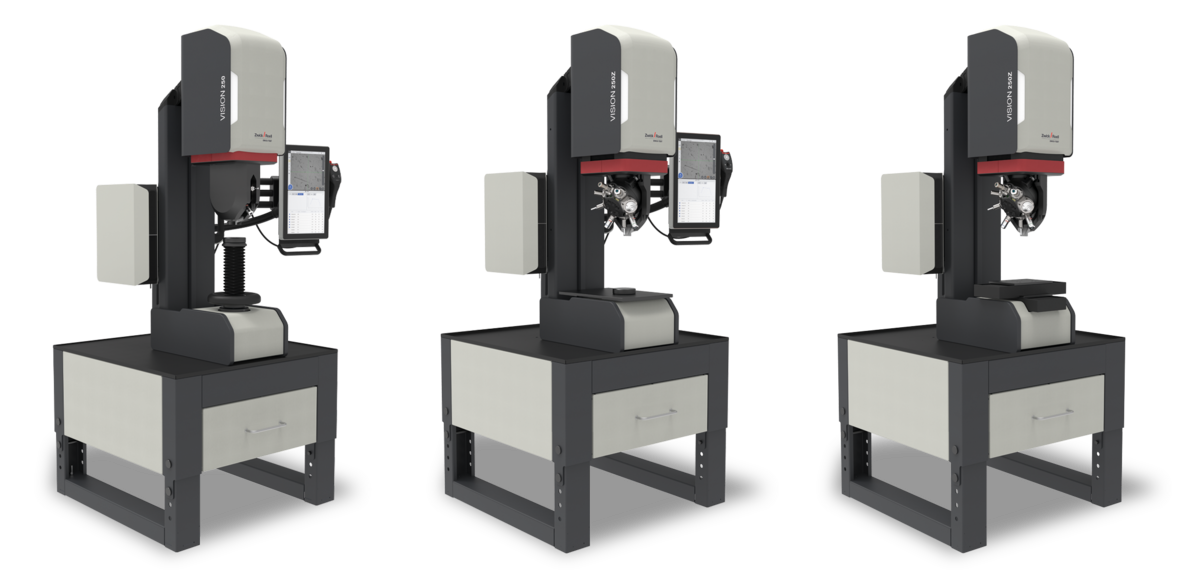
İmalat için Sertlik Test Cihazı Makalesinin Ana Hatları
| Konu Alanı | LSI Anahtar Kelimeleriyle Detaylı Kapsam |
|---|---|
| Üretim için Sertlik Test Cihazına Giriş | imalat sertlik testi |
| Üretim için Sertlik Test Cihazı Nedir | malzeme doğrulama |
| Üretimde Sertlik Testinin Önemi | tutarlılık, güvenilirlik |
| Üretimde Sertlik Testinin Evrimi | endüstri̇yel geli̇şi̇m |
| Sertlik Testinin Temel Prensipleri | girinti direnci |
| Üretimde Yaygın Sertlik Test Yöntemleri | Rockwell, Brinell, Vickers |
| İmalat için Rockwell Sertlik Test Cihazı | üretim hattı testleri |
| İmalat için Brinell Sertlik Test Cihazı | döküm ve dövme parçalar |
| İmalat için Vickers Sertlik Test Cihazı | hassas ölçüm |
| Üretimde Mikrosertlik Test Cihazı | kaplamalar ve ince tabakalar |
| Üretimde Makro Sertlik Test Cihazı | dökme malzeme testleri |
| İmalat için Taşınabilir Sertlik Test Cihazı | yerinde denetim |
| İmalat için Laboratuvar Sertlik Test Cihazı | kontrollü test |
| İmalat için Dijital Sertlik Test Cihazı | veri̇ odakli deneti̇m |
| İmalat için Otomatik Sertlik Test Cihazı | yüksek hacimli verimlilik |
| Üretimde Test Edilen Malzemeler | metaller ve alaşimlar |
| Çelik Üretimi için Sertlik Testi | ısıl işlem kontrolü |
| Alüminyum Üretimi için Sertlik Testi | hafif bileşenler |
| Dökme Demir İmalatı için Sertlik Testi | kaba yapılar |
| Demir Dışı Metaller için Sertlik Testi | bakır ve pirinç |
| Gelen Muayenede Sertlik Testi | tedari̇kçi̇ kali̇tesi̇ |
| Proses İçi Üretimde Sertlik Testi | süreç kontrolü |
| Nihai Üretim Denetiminde Sertlik Testi | kabul testleri |
| Üretim Standartları ve Yönetmelikler | ASTM, ISO |
| Üretimde Doğruluk ve Tekrarlanabilirlik | süreç güvenilirliği |
| Kalibrasyon ve İzlenebilirlik | kali̇te güvencesi̇ |
| Üretim için Doğru Sertlik Test Cihazının Seçilmesi | uygulama temelli seçim |
| Üretimde Sertlik Test Cihazlarının Avantajları | kusur azaltma |
| Üretimde Sertlik Testinin Sınırlamaları | yorumlama |
| Güvenlik Uygulamaları | operatör güvenliği |
| İmalat Sertlik Test Cihazlarının Bakımı | uzun vadeli doğruluk |
| İmalat Sertliği Sonuçlarının Yorumlanması | veri̇ anali̇zi̇ |
| Marka Uzmanlığı ve Çözümleri | Johoyd üretim test cihazları |
| Yaygın Üretim Test Hataları | önleme |
| Üretim Sertlik Testinde Gelecek Trendleri | akıllı fabrikalar |
| SSS | ortak sorular |
| Sonuç | özet |
Giriş
İmalat için Sertlik Test Cihazı süreçleri ürün kalitesi, tutarlılığı ve performansının sağlanmasında merkezi bir rol oynar. Üretim ortamları, işlevsel ve güvenlik gereksinimlerini karşılamak için hassas malzeme özelliklerine ihtiyaç duyar. Sertlikteki küçük farklılıklar bile kusurlara, aşırı aşınmaya veya erken arızalara yol açabilir.
Sertlik testi, üreticilere üretim boyunca malzeme bütünlüğünü doğrulamak için hızlı, güvenilir ve uygun maliyetli bir yol sağlar. Sertlik test cihazları, hammaddeden bitmiş ürüne kadar çeşitli imalat endüstrilerinde istikrarlı prosesleri ve yüksek kaliteli çıktıları destekler.
İmalat için Sertlik Test Cihazı
A İmalat için Sertlik Test Cihazı bir malzemenin kalıcı deformasyona karşı direncini ölçmek için kullanılan bir test aracıdır. Bu direnç, malzemenin mukavemetini, aşınma direncini ve dayanıklılığını yansıtır.
Sertlik, mekanik özelliklerle güçlü bir şekilde ilişkili olduğundan, sertlik testi, üretim ortamlarında tahribatsız bir kalite kontrol yöntemi olarak yaygın şekilde kullanılmaktadır.

Üretimde Sertlik Testinin Önemi
Sertlik testi kritik öneme sahiptir çünkü dövme, döküm, işleme ve ısıl işlem gibi üretim süreçleri malzeme özelliklerini doğrudan etkiler. Yanlış sertlik genellikle proses sapmalarını gösterir.
Şirketler, sertlik test cihazlarını üretim iş akışlarına entegre ederek sorunları erkenden tespit eder, yeniden çalışmayı azaltır ve tutarlı ürün kalitesini korur.
Üretimde Sertlik Testinin Evrimi
İlk üretimlerde elle muayene ve temel mekanik testler kullanılmaktaydı. Üretim hacimleri arttıkça, standartlaştırılmış sertlik testi yöntemleri ortaya çıktı.
Günümüzde dijital ve otomatik sertlik test cihazları yüksek hızlı üretimi ve gerçek zamanlı kalite izlemeyi desteklemektedir.
Sertlik Testinin Temel Prensipleri
Sertlik testi, girintiye karşı dirence dayanır. Standartlaştırılmış bir girinti, malzeme yüzeyine kontrollü bir kuvvet uygular.
Girintinin boyutu veya derinliği sertlik değerini belirler. Farklı test yöntemleri farklı malzeme ve uygulamalara uygundur.
Üretimde Yaygın Sertlik Test Yöntemleri
Üretim ortamlarında çeşitli sertlik testi yöntemleri kullanılır. Her yöntem benzersiz avantajlar sunar.
Rockwell, Brinell ve Vickers testleri imalat sektörlerinde en yaygın olarak uygulanan testlerdir.
İmalat için Rockwell Sertlik Test Cihazı
Rockwell sertlik test cihazları çentik derinliğini ölçer ve hızlı sonuçlar sağlar.
Özellikle çelik bileşenler için yüksek verimli üretim hatları için idealdirler.
İmalat için Brinell Sertlik Test Cihazı
Brinell testinde büyük bir bilye girintisi ve ağır yük kullanılır.
Dökme demir, dövme parçalar ve iri taneli yapıya sahip malzemeler için uygundur.
İmalat için Vickers Sertlik Test Cihazı
Vickers testinde bir elmas piramit indenter kullanılır.
Geniş bir sertlik aralığında yüksek doğruluk sunar ve hem makro hem de mikro testleri destekler.
Üretimde Mikrosertlik Test Cihazı
Mikrosertlik testi ince kaplamaları, yüzey işlemlerini ve ısıdan etkilenen bölgeleri değerlendirir.
Hassas üretim ve gelişmiş malzemeler için gereklidir.
Üretimde Makro Sertlik Test Cihazı
Makro sertlik testi, yığın malzeme özelliklerini değerlendirir.
Bu yöntem, üretilen bileşenlerin yapısal sağlamlığını ve dayanıklılığını garanti eder.
İmalat için Taşınabilir Sertlik Test Cihazı
Taşınabilir sertlik test cihazları, büyük veya monte edilmiş parçaların yerinde test edilmesini sağlar.
Bakım, denetimler ve büyük ölçekli üretim operasyonları için kullanışlıdırlar.
İmalat için Laboratuvar Sertlik Test Cihazı
Laboratuvar test cihazları kontrollü test koşulları ve yüksek hassasiyet sağlar.
Sertifikasyon, araştırma ve referans ölçümleri için kullanılırlar.
İmalat için Dijital Sertlik Test Cihazı
Dijital test cihazları operatör hatasını azaltır ve tekrarlanabilirliği artırır.
Veri depolama, raporlama ve üretim kalite sistemleri ile entegrasyon sunarlar.
İmalat için Otomatik Sertlik Test Cihazı
Otomatik sertlik test cihazları yükleme, ölçüm ve sonuç değerlendirmesini otomatik olarak kontrol eder.
Yüksek hacimli üretimi ve tutarlı denetimi desteklerler.
Üretimde Test Edilen Malzemeler
İmalat sertlik testi metaller ve alaşımlar için geçerlidir.
Çelik, alüminyum, dökme demir ve demir dışı metaller yaygın olarak test edilir.
Çelik Üretimi için Sertlik Testi
Çelik üretimi, ısıl işlemi doğrulamak için büyük ölçüde sertlik testine dayanır.
Doğru sertlik mukavemet, aşınma direnci ve güvenlik sağlar.
Alüminyum Üretimi için Sertlik Testi
Alüminyum bileşenler, daha düşük sertlik nedeniyle dikkatli test gerektirir.
Vickers veya Brinell testi doğru sonuçlar sağlar.
Dökme Demir İmalatı için Sertlik Testi
Dökme demir heterojen bir yapıya sahiptir.
Brinell testi güvenilir ortalama sertlik değerleri sağlar.
Demir Dışı Metaller için Sertlik Testi
Bakır, pirinç ve benzeri malzemeler hassas yük kontrolü gerektirir.
Vickers testi esneklik ve doğruluk sunar.
Gelen Muayenede Sertlik Testi
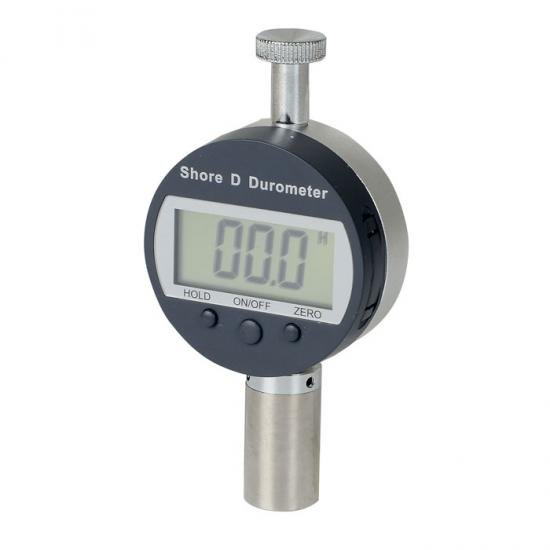
Gelen denetim, üretimden önce tedarikçi malzemelerini doğrular.
Sertlik testi, kusurlu malzemelerin üretim süreçlerine girmesini önler.
Proses İçi Üretimde Sertlik Testi
Proses içi sertlik testi, üretim tutarlılığını izler.
Kaliteyi korumak için anında ayarlamalara izin verir.
Nihai Üretim Denetiminde Sertlik Testi
Son denetim, bitmiş ürünlerin spesifikasyonlara uygun olduğunu onaylar.
Sertlik testi kabul kararlarını destekler.
Üretim Standartları ve Yönetmelikler
Üretimde sertlik testi ASTM ve ISO standartlarını takip eder.
Uyumluluk tutarlılık ve izlenebilirlik sağlar.
Üretimde Doğruluk ve Tekrarlanabilirlik
Doğruluk kalibrasyona, yüzey hazırlığına ve test yöntemi seçimine bağlıdır.
Tekrarlanabilirlik, güvenilir üretim kararları alınmasını sağlar.
Kalibrasyon ve İzlenebilirlik
Düzenli kalibrasyon doğruluğu korur.
İzlenebilir sonuçlar denetimleri ve kalite sertifikasyonunu destekler.
Üretim için Doğru Sertlik Test Cihazının Seçilmesi
Seçim malzeme türüne, üretim hacmine ve test ortamına bağlıdır.
Uzman rehberliği, optimum ekipman seçimini sağlar.
Üretimde Sertlik Test Cihazlarının Avantajları
Temel avantajlar şunlardır:
- Hızlı denetim
- Erken kusur tespiti
- Minimum maddi hasar
- Performans ile güçlü korelasyon
Bu avantajlar üretim verimliliğini artırır.
Üretimde Sertlik Testinin Sınırlamaları
Sertlik testi tüm mekanik özellikleri ölçmez.
Sonuçların uygun şekilde yorumlanması gerekir.
Güvenlik Uygulamaları
Operatörler test sırasında güvenlik kurallarına uymalıdır.
Eğitim riski azaltır ve doğruluğu artırır.
İmalat Sertlik Test Cihazlarının Bakımı
Rutin temizlik, inceleme ve kalibrasyon doğruluğu korur.
Doğru bakım ekipmanın ömrünü uzatır.
İmalat Sertliği Sonuçlarının Yorumlanması
Sonuçlar malzeme sınıfı ve proses geçmişine göre değerlendirilmelidir.
Uzman analizi geçerli sonuçlar elde edilmesini sağlar.
Marka Uzmanlığı ve Çözümleri
Güvenilir üretim denetimi, güvenilir ekipman gerektirir. Gibi markalar Johoyd, aracılığıyla https://hardnesstests.com, profesyonel hizmet sunmak İmalat için Sertlik Test Cihazı üretim katları, laboratuvarlar ve saha denetimi için tasarlanmış çözümler.
Uzmanlıkları, üretim kalitesinde doğruluk, dayanıklılık ve güven sağlar.
Yaygın Üretim Test Hataları
Yaygın hatalar arasında zayıf yüzey hazırlığı ve yanlış test seçimi yer alır.
Standartlaştırılmış prosedürler hataları azaltır.
Üretim Sertlik Testinde Gelecek Trendleri
Gelecekteki trendler arasında akıllı test cihazları, otomasyon ve dijital üretim sistemleriyle entegrasyon yer alıyor.
Bu yenilikler Endüstri otomasyonunu ve akıllı fabrikaları desteklemektedir.

Sıkça Sorulan Sorular
İmalat için sertlik test cihazı ne için kullanılır?
Malzeme gücünü ve tutarlılığını doğrular.
İmalatta hangi sertlik testi yaygındır?
Rockwell testi yaygın olarak kullanılmaktadır.
Sertlik testi otomatikleştirilebilir mi?
Evet, otomatik sistemler yüksek hacimli üretimi destekler.
Sertlik testi tahrip edici midir?
Minimum düzeyde yıkıcıdır.
Taşınabilir test cihazları üretimde kullanılabilir mi?
Evet, büyük veya kurulu bileşenler için.
Sertlik test cihazları ne sıklıkla kalibre edilmelidir?
Standartlara veya kullanım sıklığına göre.
Sonuç
İmalat için Sertlik Test Cihazı uygulamaları, ürün kalitesini, proses istikrarını ve operasyonel verimliliği korumak için gereklidir. Sertlik testi, hızlı ve güvenilir malzeme doğrulaması sağlayarak üretimin her aşamasını destekler.
Gibi güvenilir üreticilerle Johoyd aracılığıyla gelişmiş çözümler sunmak hardnesstests.com, üreticiler kalite sistemlerinde güven kazanırlar. Üretim teknolojisi ilerledikçe, sertlik test cihazları modern üretimin temel taşlarından biri olmaya devam edecektir.
Önerilen Dahili Bağlantılar
- Endüstriyel Sertlik Test Cihazları
- Üretim Kalite Kontrol Araçları
Önerilen Giden Bağlantılar
- ASTM İmalat Sertlik Test Standartları
- ISO Endüstriyel Ölçüm Kılavuzları