




Polymer Hardness Tester: The Ultimate Guide to Accurate Polymer Hardness Testing and Material Quality Control


Introduction to Polymer Hardness Testers
A polymer hardness tester is a specialized instrument used to measure the resistance of polymer materials to indentation, penetration, or deformation under a controlled force. Hardness is a key mechanical property that influences wear resistance, scratch resistance, stiffness, flexibility, and overall product durability. Accurate hardness measurements help manufacturers verify material consistency, optimize production processes, and ensure products meet industry standards.
Polymer hardness testing is widely used in industries such as automotive, aerospace, medical devices, consumer electronics, packaging, construction, and advanced materials research. Depending on the type of polymer and its application, different testing methods—including Shore, Rockwell, Barcol, Vickers, and nanoindentation—may be employed to obtain reliable and repeatable results.
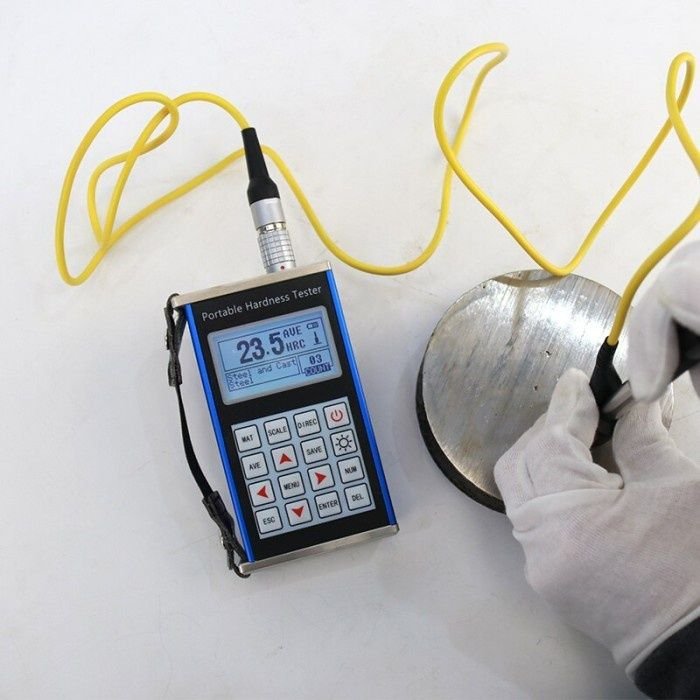
Modern polymer hardness testers integrate precision loading systems, high-resolution sensors, digital displays, and intelligent software to improve testing accuracy, automate data collection, and support quality management systems.
What Is a Polymer Hardness Tester?
Vymedzenie pojmu a účel
A polymer hardness tester is a testing instrument designed to determine the resistance of polymer materials to permanent indentation. The measured hardness value provides valuable information about a material’s mechanical behavior and its suitability for specific applications.
Typical uses include:
- Kontrola prichádzajúceho materiálu
- Kontrola kvality výroby
- Product development
- Material comparison
- Kvalifikácia dodávateľov
- Validácia procesu
- Analýza porúch
- Výskum a vývoj
Why Polymer Hardness Testing Matters
Hardness testing helps manufacturers evaluate:
- Surface durability
- Scratch resistance
- Wear performance
- Konzistencia materiálu
- Product reliability
- Compliance with customer specifications
Routine hardness testing also supports process optimization and helps reduce production defects.
Types of Polymer Materials
Thermoplastics
Thermoplastics soften when heated and can be reshaped multiple times.
Common examples include:
- Polyethylene (PE)
- Polypropylene (PP)
- Polycarbonate (PC)
- Polyvinyl Chloride (PVC)
- Acrylic (PMMA)
Thermosetting Polymers
Thermosets undergo irreversible curing and maintain excellent dimensional stability.
Examples include:
- Epoxy
- Phenolic resin
- Polyester resin
- Melamine
Elastomers
Elastomers exhibit high elasticity and recover their original shape after deformation.
Examples include:
- Silicone
- Natural rubber
- EPDM
- Nitrile rubber (NBR)
- Thermoplastic elastomers (TPE)
Engineering Polymers
Engineering polymers offer superior mechanical properties for demanding industrial applications.
Typical materials include:
- Nylon (PA)
- PEEK
- Acetal (POM)
- PPS
- PTFE
Polymer Composites
Polymer composites incorporate reinforcing fibers such as glass or carbon fiber to improve stiffness, strength, and wear resistance.
Polymer Hardness Testing Methods
Testovanie tvrdosti podľa Shorea
Shore hardness testing is one of the most widely used methods for polymers and elastomers. It measures indentation depth using a calibrated spring-loaded indenter.
Common scales include:
- Pobrežie A – Soft polymers and elastomers
- Pobrežie D – Rigid plastics and engineering polymers
- Pobrežie OO – Soft foams and gels
Testovanie tvrdosti podľa Rockwella
Rockwell hardness testing measures indentation depth under a controlled major load and is commonly used for rigid thermoplastics.
Popular scales include:
- Rockwell M
- Rockwell R
- Rockwell L
- Rockwell E

Barcol Hardness Testing
Barcol testing is suitable for:
- Fiber-reinforced plastics
- Composite laminates
- Thermosetting polymers
- Fiberglass products
Portable Barcol testers are frequently used for field inspections.
Vickers and Microhardness Testing
Vickers and microhardness methods are ideal for:
- Thin polymer layers
- Surface-treated materials
- Polymer coatings
- Výskumné aplikácie
Nanoindentation Testing
Nanoindentation evaluates hardness and elastic modulus using extremely low test forces.
Aplikácie zahŕňajú:
- Thin polymer films
- Biomedical polymers
- Nanocomposites
- Advanced research
Instrumented Indentation Testing
Instrumented indentation provides additional material properties such as:
- Hardness
- Elastic modulus
- Creep behavior
- Viscoelastic response
Types of Polymer Hardness Testers
Shore Durometers
Shore durometers are portable instruments available in analog and digital versions for quick hardness measurements.
Bench Rockwell Hardness Testers
Bench-mounted Rockwell testers provide high accuracy and repeatability for laboratory and production environments.
Microhardness Testers
Microhardness systems evaluate localized hardness in thin sections, coatings, and precision polymer components.
Nano Hardness Testers
Nanoindentation systems enable ultra-low-force testing for thin films, coatings, and advanced materials research.
Automatic Polymer Hardness Testing Systems
Fully automated systems feature:
- Servo-riadené zaťaženie
- Automatic sample positioning
- Digital image analysis
- Statistical reporting
- Laboratory information system integration
Main Components of a Polymer Hardness Tester
Precision Loading System
Electronic or servo-controlled loading systems apply highly consistent test forces, ensuring reliable and repeatable measurements.
Indenters and Test Probes
Depending on the testing method, instruments may use:
- Shore indenters
- Oceľové guľové vtlačovače
- Diamond Vickers indenters
- Berkovich indenters (nanoindentation)
Digital Measurement System
Modern testers incorporate:
- Electronic displacement sensors
- Digitálne displeje s vysokým rozlíšením
- Automatické výpočty tvrdosti
- USB and Ethernet connectivity
Data Analysis Software
Advanced software supports:
- Štatistická kontrola procesov (SPC)
- Trend analysis
- Batch reporting
- Export do formátu PDF a Excel
- Database management
- Integrácia systému LIMS
Key Features of Modern Polymer Hardness Testers
Digital Force Control
Electronic force regulation improves measurement consistency and minimizes operator influence.
Automatic Measurement
Automated systems reduce testing time while increasing repeatability and efficiency.
Statistical Reporting
Integrated software provides:
- Mean values
- Standard deviation
- Cp/Cpk analysis
- Quality trend monitoring
Laboratory and Production Integration
Modern polymer hardness testers can be integrated into laboratory quality systems and automated production environments for real-time process monitoring.
Priemyselné aplikácie
Automobilový priemysel
Skontrolujte:
- Interior trim
- Dashboards
- Plastic gears
- Seals
- Under-the-hood components
Zdravotnícke pomôcky
Evaluate polymer materials used in:
- Catheters
- Syringes
- Surgical tools
- Implantable devices
- Medical housings
Consumer Electronics
Zmerajte tvrdosť:
- Device enclosures
- Buttons
- Konektory
- Protective cases
Packaging and Consumer Goods
Verify hardness for:
- Plastic containers
- Packaging films
- Closures
- Household products
Aerospace and Advanced Composites
Test high-performance polymers and composites used in structural components, insulation systems, and lightweight assemblies.
How to Choose the Best Polymer Hardness Tester
Polymer Type
Select the tester according to whether the material is an elastomer, thermoplastic, thermoset, engineering polymer, or composite.
Hardness Scale Selection
Choose the appropriate testing method:
- Shore A for soft polymers
- Shore D for rigid plastics
- Rockwell for engineering polymers
- Barcol for composites
- Vickers or nanoindentation for micro-scale analysis
Sample Size and Thickness
Consider sample geometry, thickness, and surface condition to ensure valid and repeatable measurements.
Dodržiavanie noriem
Choose equipment that complies with ASTM and ISO standards relevant to polymer hardness testing.
Kalibrácia a údržba
Bežná údržba by mala zahŕňať:
- Verification using certified hardness reference materials
- Cleaning indenters and contact surfaces
- Scheduled calibration
- Aktualizácie softvéru
- Preventívne kontrolné prehliadky
Proper calibration ensures long-term measurement reliability.
Výhody a obmedzenia
Výhody
A polymer hardness tester provides:
- Fast and non-destructive testing
- Vysoká opakovateľnosť
- Digital measurement accuracy
- Automatizované vykazovanie
- Jednoduché ovládanie
- Dodržiavanie medzinárodných noriem
Obmedzenia
Medzi možné obmedzenia patria:
- Temperature and humidity can affect polymer hardness.
- Viscoelastic materials require controlled dwell times.
- Different polymers require different hardness scales.
- Surface finish and sample thickness may influence results.
Medzinárodné normy
Common standards related to polymer hardness tester Medzi oblasti použitia patria:
- ASTM D2240 – Standard Test Method for Rubber Property—Durometer Hardness
- ASTM D785 – Standard Test Method for Rockwell Hardness of Plastics
- ASTM D2583 – Standard Test Method for Indentation Hardness of Rigid Plastics by Means of a Barcol Impressor
- ASTM E384 – Štandardná skúšobná metóda na stanovenie tvrdosti materiálov mikroindentáciou
- ISO 868 – Plastics and Ebonite—Determination of Indentation Hardness by Means of a Durometer (Shore Hardness)
- ISO 2039-2 – Plastics—Determination of Hardness—Rockwell Hardness
- ISO 14577 – Instrumented Indentation Test for Hardness and Materials Parameters
Oficiálne zdroje:
Často kladené otázky
1. What is a polymer hardness tester used for?
A polymer hardness tester measures the resistance of polymer materials to indentation, helping manufacturers evaluate material quality, durability, wear resistance, and compliance with specifications.
2. Which hardness test is best for polymers?
The best method depends on the material. Shore hardness is widely used for elastomers and plastics, Rockwell is preferred for engineering polymers, Barcol is suitable for composites, and Vickers or nanoindentation is ideal for thin films and research applications.
3. What is the difference between Shore A and Shore D?
Shore A is used for soft polymers and elastomers, while Shore D is designed for harder plastics and engineering polymers.
4. Which industries use polymer hardness testers?
Polymer hardness testers are used in automotive, aerospace, medical devices, electronics, packaging, construction, research laboratories, and plastics manufacturing.
5. How often should a polymer hardness tester be calibrated?
Calibration should be verified regularly using certified reference materials and performed according to the manufacturer’s recommendations and applicable ASTM or ISO standards.
6. How do I choose the right polymer hardness tester?
Consider the polymer type, hardness scale, sample thickness, required accuracy, level of automation, reporting capabilities, and compliance with relevant testing standards.
Záver
A polymer hardness tester is an essential instrument for evaluating the mechanical performance and consistency of polymer materials across diverse industries. Whether measuring soft elastomers, rigid engineering plastics, fiber-reinforced composites, or advanced polymer coatings, selecting the appropriate hardness testing method ensures accurate, repeatable, and standards-compliant results.
By investing in a modern polymer hardness tester with precision force control, digital measurement technology, intelligent software, and reliable calibration, manufacturers and research laboratories can improve quality assurance, optimize production processes, reduce inspection errors, and deliver high-performance polymer products that meet demanding industrial requirements.