




Stolný tvrdomer: Kompletný sprievodca presným testovaním materiálov

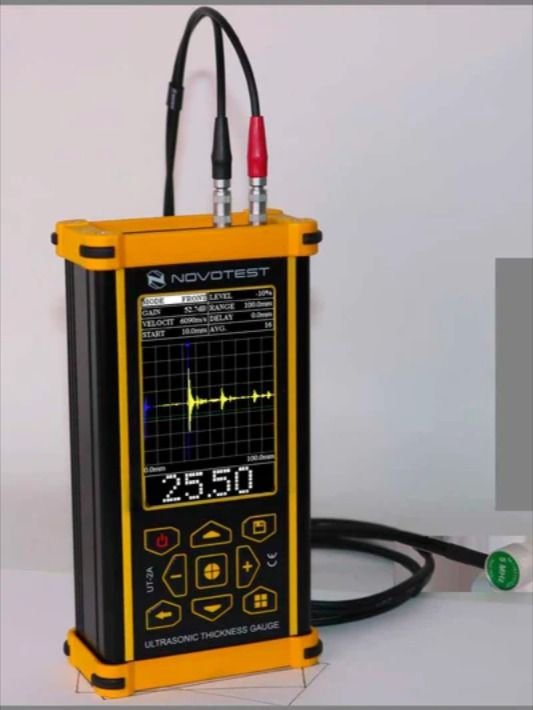
Introduction to Benchtop Hardness Testing
A stolný tvrdomer is one of the most widely used instruments for evaluating the hardness of metals and other engineering materials. Positioned on a workbench or laboratory table, these systems offer a balance of precision, stability, and ease of operation, making them ideal for both laboratory analysis and production quality control.
Hardness testing is a fundamental material evaluation method that measures resistance to indentation or deformation. The results help engineers assess material strength, wear resistance, heat treatment quality, and manufacturing consistency. Because hardness often correlates with other mechanical properties, it serves as a valuable indicator of material performance.
Modern benchtop systems combine advanced electronics, digital imaging, and automated measurement technologies to deliver highly accurate and repeatable results.

What Is a Benchtop Hardness Tester?
Vymedzenie pojmu a účel
A stolný tvrdomer is a stationary hardness testing machine designed to perform precise measurements under controlled conditions. Unlike portable testers used in the field, benchtop systems provide greater stability and accuracy for routine inspections and laboratory applications.
Typical uses include:
- Kontroly zabezpečenia kvality
- Overenie materiálu
- Heat treatment evaluation
- Výskum a vývoj
- Analýza porúch
How Benchtop Hardness Testing Works
The testing process generally involves:
- Positioning the sample on the test stage
- Applying a specified force through an indenter
- Creating an indentation on the material surface
- Measuring indentation depth or dimensions
- Výpočet hodnoty tvrdosti
Many modern systems automate these steps to improve efficiency and consistency.
Common Hardness Measurement Principles
Different testing methods use different measurement approaches:
| Method | Measurement Principle |
|---|---|
| Rockwell | Indentation depth |
| Brinell | Priemer zárezu |
| Vickers | Dĺžka uhlopriečky |
| Knoop | Long diagonal measurement |
The selection of a method depends on material type, sample size, and testing objectives.
Why Choose a Benchtop Hardness Tester?
Precision and Stability
Benchtop systems offer superior stability compared with portable devices, resulting in:
- Zlepšená presnosť
- Lepšia opakovateľnosť
- Reduced vibration effects
- Consistent testing conditions
Ideal for Laboratory and Production Use
These systems are commonly found in:
- Manufacturing facilities
- Laboratóriá kontroly kvality
- Research institutions
- Universities
- Testing centers
Cost-Effective Testing Solution
A benchtop tester provides excellent value by combining accuracy, durability, and versatility in a compact design.
Types of Benchtop Hardness Tester Systems
Rockwell Benchtop Testers
Rockwell testers are popular due to their speed and simplicity.
Výhody zahŕňajú:
- Priame meranie tvrdosti
- High productivity
- Minimálny vplyv operátora
- Vhodné pre výrobné prostredie
Brinell Benchtop Testers
Brinell systems use a tungsten carbide ball indenter and are ideal for:
- Liatina
- Konštrukčná oceľ
- Kované výrobky
- Large components
Vickers Benchtop Testers
Vickers testing provides exceptional precision and versatility.
Medzi výhody patrí:
- Broad load range
- Testovanie tenkých materiálov
- Metallurgical analysis
- Vysoká presnosť merania
Microhardness Testers
Microhardness systems are designed for:
- Surface coatings
- Tenké vrstvy
- Elektronické komponenty
- Microstructural evaluation
Universal Hardness Testers
Universal systems combine multiple testing methods within a single machine, increasing flexibility and efficiency.

Key Components of a Benchtop Hardness Tester
Indenters
Medzi bežné typy hrotov patria:
- Diamond cone indenters
- Diamantové pyramídové vtlačovače
- Guličky z karbidu volfrámu
The choice depends on the selected testing method.
Mechanizmus aplikácie zaťaženia
Accurate force application is critical for reliable hardness measurements. Modern systems use precision-controlled loading mechanisms to ensure repeatability.
Measuring Systems
Advanced testers may include:
- Optické mikroskopy
- Digital imaging systems
- Automatické rozpoznávanie odsadenia
These technologies improve measurement accuracy and efficiency.
Digital Control Software
Modern software often provides:
- Automated calculations
- Štatistická analýza
- Prepočet tvrdosti
- Vytváranie správ
- Ukladanie údajov
Bežne testované materiály
Oceľ a nehrdzavejúca oceľ
Hardness testing verifies strength, durability, and heat treatment effectiveness.
Aluminum Alloys
Lightweight materials used in transportation and aerospace applications frequently undergo hardness evaluation.
Copper and Brass
Testing helps ensure material consistency and manufacturing quality.
Liatina
Large castings often require hardness verification to confirm mechanical performance.
Priemyselné aplikácie
Kontrola kvality vo výrobe
Hardness testing helps identify defects and verify product consistency before shipment.
Automobilový priemysel
Aplikácie zahŕňajú:
- Ozubené kolesá
- Ložiská
- Súčiastky motora
- Súčiastky prevodovky
Letecké a kozmické inžinierstvo
Aircraft materials require strict quality control to meet safety and performance standards.
Educational and Research Laboratories
Universities and research institutions use hardness testing to study material behavior and support scientific investigations.
Advantages of Modern Benchtop Hardness Tester Technology
Modern systems provide numerous benefits:
- Vysoká presnosť
- Vynikajúca opakovateľnosť
- Automatizovaná prevádzka
- Digital data management
- Multiple testing capabilities
- Zvýšená produktivita
These advantages make them essential tools for quality assurance and research.
Factors to Consider When Selecting Equipment
Požiadavky na testovanie
Determine:
- Material types
- Required hardness scales
- Sample dimensions
Accuracy Needs
Laboratory applications often require greater precision than routine production inspections.
Funkcie automatizácie
Consider systems with:
- Automatické zaostrovanie
- Motorizované stolíky
- Automatic measurement
- Vytváranie správ
Rozpočet
Vyhodnoťte:
- Náklady na vybavenie
- Výdavky na údržbu
- Požiadavky na kalibráciu
- Možnosti softvéru
Maintenance and Calibration Requirements
To maintain reliable performance:
- Use certified reference blocks
- Follow calibration schedules
- Pravidelne čistite optické komponenty
- Maintain accurate records
- Perform preventive maintenance
Proper maintenance extends equipment life and ensures consistent results.

Priemyselné normy a dodržiavanie predpisov
Most benchtop hardness testing equipment follows internationally recognized standards, including:
- ASTM E18
- ASTM E10
- ASTM E384
- ISO 6506
- ISO 6507
- ISO 6508
Ďalšie informácie:
Compliance ensures reliable and globally accepted measurements.
Často kladené otázky
1. Na čo sa používa stolný tvrdomer?
It is used to measure material hardness accurately in laboratories and production environments.
2. What is the difference between benchtop and portable hardness testers?
Benchtop systems offer higher accuracy and stability, while portable units are designed for field inspections.
3. Which industries use benchtop hardness testing equipment?
Manufacturing, aerospace, automotive, metallurgy, research laboratories, and educational institutions.
4. Can one machine perform multiple hardness tests?
Yes. Universal benchtop systems can perform Rockwell, Brinell, Vickers, and other testing methods.
5. Why is calibration important?
Calibration ensures accurate results and compliance with industry standards.
6. Are digital benchtop testers available?
Yes. Most modern systems include digital controls, automated measurements, and advanced reporting features.
Záver
A stolný tvrdomer is a reliable and versatile solution for accurate material evaluation across a wide range of industries. Whether used for quality control, research, product development, or metallurgical analysis, these systems provide the precision and repeatability needed for confident decision-making.
By selecting the right testing method and maintaining proper calibration procedures, organizations can improve product quality, enhance manufacturing consistency, and ensure compliance with international standards. As material testing requirements continue to evolve, modern benchtop hardness testers remain essential tools for achieving dependable and efficient hardness measurement.