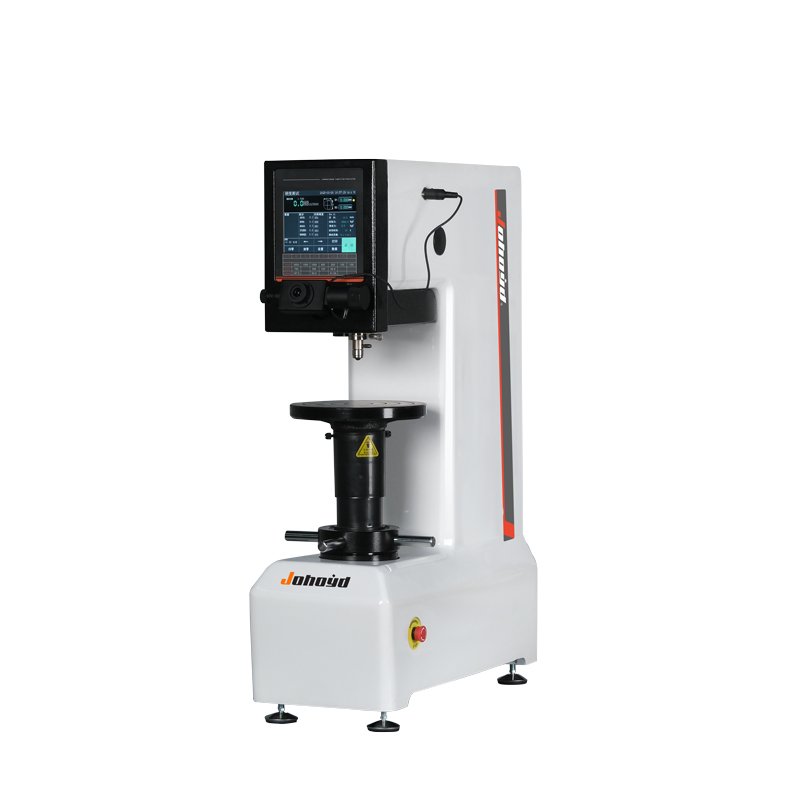
Hardness Inspection Equipment: Types, Applications and Benefits

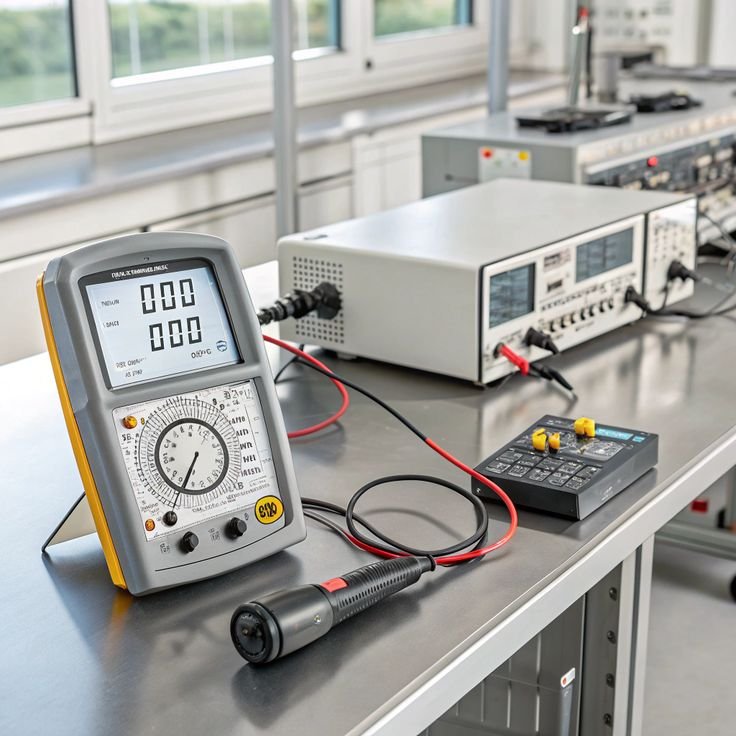
Introduction to Hardness Inspection Equipment
In modern manufacturing and engineering, product quality depends heavily on material performance. Zariadenia na kontrolu tvrdosti plays a critical role in evaluating the hardness of metals, alloys, coatings, and other engineering materials. By measuring a material’s resistance to indentation or deformation, these systems help manufacturers verify quality, ensure consistency, and meet industry standards.
Hardness testing is one of the most widely used material inspection methods because it is fast, reliable, and often non-destructive. Whether inspecting heat-treated steel components, aerospace alloys, automotive parts, or industrial machinery, hardness inspection equipment provides valuable data that supports quality control and process optimization.
With advancements in digital technology and automation, modern inspection systems offer greater accuracy, repeatability, and efficiency than ever before.
What Is Hardness Inspection Equipment?
Vymedzenie pojmu a účel
Zariadenia na kontrolu tvrdosti refers to instruments and testing systems used to determine and verify the hardness of materials. These devices apply a controlled force through a specific indenter and measure the resulting indentation or material response.
The primary purposes of hardness inspection include:
- Overenie materiálu
- Quality control
- Process monitoring
- Heat treatment inspection
- Certifikácia výrobkov
- Analýza porúch
Role in Quality Assurance
Hardness values often correlate with important mechanical properties such as strength, wear resistance, and durability. As a result, hardness inspection is a key part of many quality assurance programs.
Manufacturers use hardness testing to ensure products meet design specifications before they reach customers.
Why Hardness Inspection Matters
Overenie materiálu
Hardness testing helps confirm that incoming materials meet required specifications and performance standards.
Heat Treatment Validation
Heat treatment processes significantly affect material hardness. Inspection equipment helps verify that hardening, tempering, and annealing operations have been performed correctly.
Product Reliability and Safety
Consistent hardness values contribute to:
- Improved wear resistance
- Better fatigue performance
- Enhanced durability
- Increased operational safety
These factors are particularly important in critical industries such as aerospace, automotive, and energy.
Ako funguje zariadenie na kontrolu tvrdosti
Princípy testovania vtláčaním
Most hardness testing methods involve:
- Positioning the sample
- Applying a controlled force
- Creating an indentation
- Measuring the indentation
- Výpočet hodnoty tvrdosti
Different methods use different measurement techniques depending on the hardness scale.
Digital Measurement and Analysis
Modern systems may include:
- Kamery s vysokým rozlíšením
- Digital microscopes
- Automatické rozpoznávanie odsadenia
- Elektronické riadenie záťaže
- Statistical analysis software
These technologies improve measurement accuracy and reduce operator influence.
Main Types of Hardness Inspection Equipment
Rockwell Hardness Inspection Systems
Rockwell testing measures indentation depth and provides direct hardness readings.
Medzi výhody patrí:
- Rýchle testovanie
- High productivity
- Jednoduché ovládanie
- Minimálna príprava vzorky
Brinell Hardness Inspection Systems
Brinell testing uses a carbide ball indenter and is ideal for:
- Liatina
- Kované výrobky
- Konštrukčná oceľ
- Large metal parts
Vickers Hardness Inspection Systems
Vickers testing offers excellent precision and versatility.
Výhody zahŕňajú:
- Široký rozsah zaťaženia
- Testovanie tenkých materiálov
- Detailed metallurgical analysis
- Vysoká presnosť merania

Portable Hardness Inspection Equipment
Portable devices allow hardness inspection directly on large or installed components.
Medzi bežné použitia patria:
- Potrubia
- Tlakové nádoby
- Ťažké stroje
- Konštrukčná oceľ
Automated Hardness Inspection Machines
Automated systems increase efficiency through:
- Motorizované stolíky
- Automatické zaostrovanie
- Automated measurements
- Intelligent report generation
Key Components of Hardness Inspection Equipment
Indenters and Test Heads
Medzi bežné typy hrotov patria:
- Diamond cones
- Diamond pyramids
- Guličky z karbidu volfrámu
The selection depends on the testing method.
Load Application Systems
Accurate force application is critical for obtaining reliable hardness measurements.
Optical Measurement Devices
Advanced systems often use:
- Digitálne zobrazovanie
- Optické mikroskopy
- Automatizovaná analýza obrazu
These technologies enhance precision.
Software and Reporting Tools
Moderný softvér ponúka:
- Automatické výpočty
- Prepočet stupnice tvrdosti
- Statistical reporting
- Ukladanie údajov
- Traceability documentation
Materials Commonly Inspected
Oceľ a nehrdzavejúca oceľ
Hardness inspection verifies mechanical properties and heat treatment quality.
Hliník a zliatiny neželezných kovov
Testing helps ensure material consistency and compliance with specifications.
Liatinové komponenty
Industrial castings often require hardness verification during production.
Coatings and Surface Treatments
Microhardness inspection is commonly used to evaluate surface layers and protective coatings.
Priemyselné aplikácie
Kontrola kvality vo výrobe
Manufacturers use hardness inspection equipment to maintain product consistency and reduce defects.
Automobilový priemysel
Aplikácie zahŕňajú:
- Ozubené kolesá
- Ložiská
- Komponenty motora
- Transmission systems
Letecké a kozmické inžinierstvo
Hardness inspection supports the verification of high-performance aircraft materials.
Oil and Gas Industry
Aplikácie zahŕňajú:
- Kontrola potrubia
- Pressure vessel evaluation
- Údržba zariadení
Research and Testing Laboratories
Researchers use hardness inspection systems to study material behavior and support innovation.
Benefits of Modern Hardness Inspection Equipment
Organizations gain numerous advantages:
- Accurate measurements
- Improved quality assurance
- Faster inspection cycles
- Reduced operator errors
- Zvýšená vysledovateľnosť
- Increased productivity
- Better compliance with standards
These benefits help improve both operational efficiency and product quality.
Factors to Consider When Choosing Equipment
Požiadavky na testovanie
Vyhodnoťte:
- Material types
- Required hardness scales
- Sample dimensions
- Production volume
Požiadavky na presnosť
Research and laboratory applications may require higher precision than routine inspections.
Funkcie automatizácie
Consider systems with:
- Automatic measurements
- Digitálne podávanie správ
- Integrated software solutions

Budget Considerations
Review:
- Equipment costs
- Calibration expenses
- Maintenance requirements
- Training needs
Calibration and Maintenance Requirements
To maintain reliable performance:
- Use certified reference blocks
- Follow calibration schedules
- Pravidelne čistite optické komponenty
- Maintain service records
- Perform preventive maintenance
Routine calibration ensures measurement accuracy and long-term reliability.
Priemyselné normy a dodržiavanie predpisov
Most hardness inspection equipment complies with internationally recognized standards, including:
- ASTM E18
- ASTM E10
- ASTM E384
- ISO 6506
- ISO 6507
- ISO 6508
For additional standards information:
Compliance helps ensure test results are accurate, repeatable, and globally accepted.
Často kladené otázky
1. Na čo sa používa zariadenie na kontrolu tvrdosti?
It is used to verify the hardness of materials and ensure they meet quality and performance requirements.
2. Which industries use hardness inspection equipment?
Manufacturing, aerospace, automotive, oil and gas, metallurgy, and research laboratories.
3. What materials can be inspected?
Steel, aluminum, cast iron, copper alloys, coatings, and many other engineering materials.
4. What is the most common hardness inspection method?
Rockwell testing is widely used because of its speed and simplicity.
5. Can hardness inspection equipment be automated?
Yes. Many modern systems feature automated measurements, analysis, and reporting.
6. Prečo je kalibrácia dôležitá?
Calibration ensures measurement accuracy and compliance with industry standards.
Záver
Zariadenia na kontrolu tvrdosti is an essential tool for modern quality control and material verification. By providing accurate and repeatable hardness measurements, these systems help manufacturers ensure product reliability, validate production processes, and comply with international standards.
Whether used in manufacturing, aerospace, automotive, oil and gas, or research environments, hardness inspection equipment delivers the precision and efficiency needed to support high-quality production and dependable material performance.