




Kompletná príručka o stroji na testovanie tvrdosti Základné poznatky pre presné hodnotenie materiálov

Osnova článku o stroji na testovanie tvrdosti
| Oblasť témy | Podrobné pokrytie pomocou kľúčových slov LSI |
|---|---|
| Úvod do stroja na testovanie tvrdosti | meranie tvrdosti |
| Definícia stroja na testovanie tvrdosti | tester tvrdosti materiálu |
| Úloha testovania tvrdosti v priemysle | zabezpečenie kvality |
| Význam strojov na testovanie tvrdosti | spoľahlivosť materiálu |
| História a vývoj testovania tvrdosti | od tradičného k modernému |
| Základný princíp testovania tvrdosti | odolnosť proti vtláčaniu |
| Typy strojov na testovanie tvrdosti | Rockwell, Brinell, Vickers |
| Skúšobný stroj na tvrdosť podľa Rockwella | meranie hĺbky |
| Brinellov testovací stroj na tvrdosť | priemer zárezu |
| Vickersov prístroj na testovanie tvrdosti | metóda diamantovej pyramídy |
| Stroj na testovanie mikrotvrdosti | testovanie pri nízkom zaťažení |
| Stroj na testovanie tvrdosti makro | objemová tvrdosť |
| Digitálny stroj na testovanie tvrdosti | elektronické meranie |
| Automatický stroj na testovanie tvrdosti | veľkoobjemové testovanie |
| Prenosný stroj na testovanie tvrdosti | kontrola na mieste |
| Komponenty stroja na testovanie tvrdosti | indentor, systém zaťaženia |
| Hĺbiace nástroje a skúšobné zaťaženia | guľa, diamant |
| Skúšobné postupy a metódy | štandardizovaný proces |
| Materiály vhodné na testovanie tvrdosti | kovy a zliatiny |
| Testovanie tvrdosti ocele | overenie tepelného spracovania |
| Testovanie tvrdosti hliníka | testovanie neželezných kovov |
| Testovanie tvrdosti liatiny | hrubé materiály |
| Požiadavky na prípravu vzoriek | stav povrchu |
| Presnosť a opakovateľnosť | spoľahlivé výsledky |
| Kalibrácia stroja na testovanie tvrdosti | vysledovateľnosť |
| Normy na testovanie tvrdosti | ASTM, ISO |
| Výhody strojov na testovanie tvrdosti | rýchlosť a jednoduchosť |
| Obmedzenia testovania tvrdosti | obmedzenia metódy |
| Aplikácie vo výrobe | riadenie procesu |
| Aplikácie v kontrole kvality | akceptačné testovanie |
| Aplikácie v laboratóriách výskumu a vývoja | vývoj materiálov |
| Aplikácie v automobilovom priemysle | kontrola komponentov |
| Aplikácie v leteckom priemysle | testovanie zhody |
| Zaznamenávanie a vykazovanie údajov | digitálna dokumentácia |
| Integrácia so systémami kvality | Priemysel 4.0 |
| Bežné chyby pri testovaní | stratégie prevencie |
| Výber správneho stroja na testovanie tvrdosti | sprievodca nákupom |
| Údržba a starostlivosť | dlhodobá presnosť |
| Odborné znalosti a riešenia značky | Stroje na meranie tvrdosti Johoyd |
| Budúce trendy v oblasti strojov na testovanie tvrdosti | automatizácia |
| Často kladené otázky | bežné otázky |
| Záver | zhrnutie |
Úvod
A stroj na testovanie tvrdosti je základný nástroj používaný na hodnotenie odolnosti materiálov voči deformácii, vtláčaniu alebo penetrácii. Tvrdosť je kľúčová mechanická vlastnosť, ktorá priamo ovplyvňuje odolnosť proti opotrebovaniu, pevnosť a životnosť.
V moderných výrobných a laboratórnych podmienkach zohrávajú stroje na testovanie tvrdosti kľúčovú úlohu pri zabezpečovaní kvality materiálu, konzistencie a súladu s medzinárodnými normami.
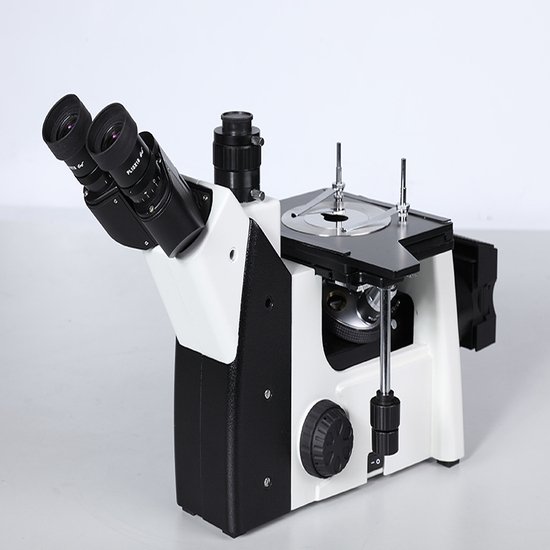
Stroj na testovanie tvrdosti
A stroj na testovanie tvrdosti pôsobí kontrolovanou silou na indentor a meria odozvu materiálu. Výsledkom je číselná hodnota tvrdosti, ktorá odráža pevnosť a odolnosť materiálu.
Vďaka tomu je testovanie tvrdosti rýchlou a praktickou metódou kontroly kvality.
Definícia stroja na testovanie tvrdosti
Tvrdomer je mechanický, digitálny alebo automatický prístroj určený na stanovenie tvrdosti materiálu pomocou štandardizovaných skúšobných metód. Poskytuje konzistentné a opakovateľné výsledky.
Tieto stroje sa široko používajú v rôznych priemyselných odvetviach.
Úloha testovania tvrdosti v priemysle
Testovanie tvrdosti pomáha výrobcom overiť vlastnosti materiálu pred a po spracovaní. Podporuje rozhodnutia týkajúce sa tepelného spracovania, obrábania a výberu materiálu.
Spoľahlivé testovanie zabraňuje zlyhaniam.
Význam strojov na testovanie tvrdosti
Stroje na testovanie tvrdosti sú dôležité, pretože včas zisťujú odchýlky vo vlastnostiach materiálu. Tým sa znižuje množstvo odpadu, zvyšuje bezpečnosť a zabezpečuje výkonnosť výrobku.
Priemyselné odvetvia sa spoliehajú na presné údaje o tvrdosti.
História a vývoj testovania tvrdosti
Prvé metódy testovania tvrdosti boli jednoduché a subjektívne. Moderné prístroje na testovanie tvrdosti využívajú presnú kontrolu zaťaženia a digitálne meranie.
Tento vývoj zvýšil presnosť a účinnosť.
Základný princíp testovania tvrdosti
Skúškou tvrdosti sa meria odolnosť voči vtláčaniu. Tvrdší materiál odoláva vtláčaniu viac ako mäkší.
Hĺbka alebo veľkosť vtlačku určuje tvrdosť.
Typy strojov na testovanie tvrdosti
Stroje na testovanie tvrdosti sa klasifikujú podľa metódy testovania. Medzi bežné typy patria Rockwellove, Brinellove a Vickersove stroje.
Každá metóda sa hodí pre konkrétne materiály.
Skúšobný stroj na tvrdosť podľa Rockwella
Rockwellove stroje na testovanie tvrdosti merajú hĺbku vtlačku pri zaťažení. Výsledky sú priame a rýchle.
Sú široko používané vo výrobe.
Brinellov testovací stroj na tvrdosť
Brinellove stroje na skúšanie tvrdosti merajú priemer vtlačku pomocou guľového indentora. Sú ideálne pre hrubé alebo heterogénne materiály.
Táto metóda poskytuje priemerné hodnoty tvrdosti.
Vickersov prístroj na testovanie tvrdosti
Vickersove stroje na testovanie tvrdosti používajú diamantový pyramídový indentor. Ponúkajú vysokú presnosť v širokom rozsahu tvrdosti.
V laboratóriách sú bežné.
Stroj na testovanie mikrotvrdosti
Mikrotvrdomery používajú veľmi nízke zaťaženie. Používajú sa na tenké povlaky a mikroštruktúrnu analýzu.
Presnosť je nevyhnutná.
Stroj na testovanie tvrdosti makro
Makrotvrdomery používajú na testovanie sypkých materiálov vyššie zaťaženie. Poskytujú reprezentatívne hodnoty tvrdosti.
Sú vhodné pre konštrukčné materiály.
Digitálny stroj na testovanie tvrdosti
Digitálne stroje na testovanie tvrdosti používajú elektronické snímače a displeje. Zlepšujú opakovateľnosť a spracovanie údajov.
Digitálny výstup podporuje dokumentáciu.
Automatický stroj na testovanie tvrdosti
Automatické stroje na testovanie tvrdosti automaticky riadia nakladanie a meranie. Podporujú veľkoobjemové testovacie prostredia.
Automatizácia zvyšuje efektivitu.
Prenosný stroj na testovanie tvrdosti
Prenosné stroje na testovanie tvrdosti umožňujú testovanie veľkých alebo inštalovaných komponentov priamo na mieste. Ponúkajú flexibilitu bez straty presnosti.
Sú široko používané pri údržbe.
Komponenty stroja na testovanie tvrdosti
Medzi kľúčové komponenty patrí indentér, systém na aplikáciu zaťaženia, merací systém a rám. Každý komponent ovplyvňuje presnosť.
Správna konštrukcia zaručuje stabilitu.
Hĺbiace nástroje a skúšobné zaťaženia
Hĺbiace nástroje môžu byť diamantové alebo z kalenej ocele. Výber zaťaženia závisí od typu materiálu a skúšobnej metódy.
Štandardizácia zabezpečuje konzistentnosť.
Skúšobné postupy a metódy
Testovanie tvrdosti sa vykonáva podľa štandardizovaných postupov. Dôležité je správne umiestnenie, aplikácia zaťaženia a meranie.
Dôslednosť zvyšuje spoľahlivosť.
Materiály vhodné na testovanie tvrdosti
Stroje na testovanie tvrdosti sa používajú predovšetkým na meranie kovov a zliatin. Bežne sa testuje oceľ, hliník a liatina.
Dôležitý je správny výber metódy.

Testovanie tvrdosti ocele
Testovanie tvrdosti ocele overuje tepelné spracovanie a mechanické vlastnosti. Je veľmi dôležitá pre komponenty súvisiace s bezpečnosťou.
Spoľahlivé výsledky podporujú zabezpečenie kvality.
Testovanie tvrdosti hliníka
Hliníkové zliatiny si vyžadujú starostlivý výber zaťaženia. Testovanie tvrdosti zabezpečuje konzistenciu zliatiny.
Podporuje ľahkú konštrukciu.
Testovanie tvrdosti liatiny
Skúšky tvrdosti liatiny sú výhodné vďaka jej heterogénnej štruktúre. Často sa používa Brinellova skúška.
Priemerné hodnoty tvrdosti sú spoľahlivé.
Požiadavky na prípravu vzoriek
Vzorky musia byť čisté a správne pripravené. Drsné povrchy ovplyvňujú presnosť odtlačkov.
Správna príprava zlepšuje výsledky.
Presnosť a opakovateľnosť
Presnosť závisí od kalibrácie a správnej prevádzky. Opakovateľnosť sa zlepšuje pri digitálnych a automatických strojoch.
Dôsledné testovanie buduje dôveru.
Kalibrácia stroja na testovanie tvrdosti
Pravidelná kalibrácia zaručuje spoľahlivé výsledky. Certifikované referenčné bloky podporujú nadväznosť.
Kalibrácia je nevyhnutná na zabezpečenie zhody.
Normy na testovanie tvrdosti
Stroje na testovanie tvrdosti sa riadia normami ASTM a ISO. Normy definujú postupy a tolerancie.
Súlad zabezpečuje globálne prijatie.
Výhody strojov na testovanie tvrdosti
Medzi hlavné výhody patrí:
- Rýchle testovanie
- Jednoduchá obsluha
- Spoľahlivé výsledky
- Široký rozsah použitia
Vďaka týmto výhodám sú stroje na testovanie tvrdosti nepostrádateľné.
Obmedzenia testovania tvrdosti
Skúška tvrdosti poskytuje nepriame informácie o pevnosti materiálu. Nemusí odrážať všetky mechanické vlastnosti.
Pochopenie obmedzení zabezpečuje správnu interpretáciu.
Aplikácie vo výrobe
Výrobcovia používajú stroje na testovanie tvrdosti na kontrolu procesov. Testovanie včas identifikuje odchýlky.
Tým sa zvyšuje produktivita.
Aplikácie v kontrole kvality
Laboratóriá kontroly kvality sa pri preberacích skúškach spoliehajú na stroje na skúšanie tvrdosti. Výsledky zabezpečujú zhodu so špecifikáciou.
Dokumentácia podporuje audity.
Aplikácie v laboratóriách výskumu a vývoja
Výskumné laboratóriá používajú na štúdium správania sa materiálov stroje na testovanie tvrdosti. Údaje podporujú inovácie.
Presnosť je dôležitá.
Aplikácie v automobilovom priemysle
Automobilové komponenty si vyžadujú prísnu kontrolu tvrdosti. Testovanie tvrdosti zabezpečuje bezpečnosť a trvanlivosť.
Je široko používaný.
Aplikácie v leteckom priemysle
Materiály pre letecký a kozmický priemysel si vyžadujú presné testovanie. Stroje na testovanie tvrdosti podporujú zhodu a sledovateľnosť.
Presnosť je veľmi dôležitá.
Zaznamenávanie a vykazovanie údajov
Moderné stroje na testovanie tvrdosti vytvárajú digitálne záznamy. Správy sa integrujú so systémami kvality.
Správa údajov zvyšuje efektívnosť.
Integrácia so systémami kvality
Stroje na testovanie tvrdosti sa integrujú s digitálnymi systémami kvality. Údaje podporujú iniciatívy Priemysel 4.0.
Pripojiteľnosť zlepšuje ovládanie.
Bežné chyby pri testovaní
Medzi chyby patrí nesprávny výber mierky a zlá príprava povrchu. Školenie znižuje počet chýb.
Štandardné postupy zlepšujú konzistentnosť.
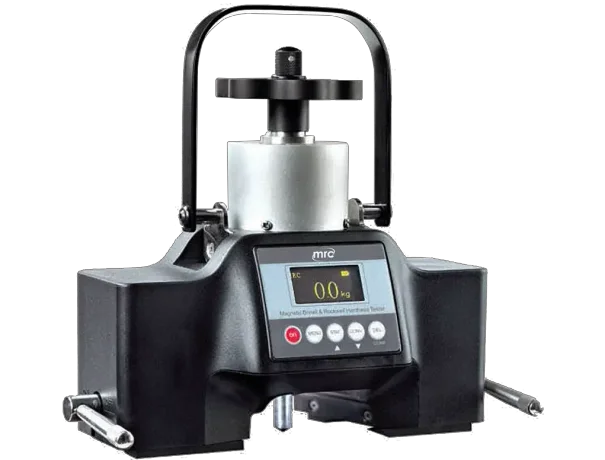
Výber správneho stroja na testovanie tvrdosti
Výber závisí od materiálov, objemu testovania a potrieb automatizácie. Odborné poradenstvo zaručuje optimálnu investíciu.
Správny stroj zvyšuje produktivitu.
Údržba a starostlivosť
Bežná údržba zachováva presnosť. Správna starostlivosť predlžuje životnosť zariadenia.
Údržba podporuje dlhodobú spoľahlivosť.
Odborné znalosti a riešenia značky
Spoľahlivé stroj na testovanie tvrdosti riešenia si vyžadujú precízne inžinierstvo a odbornú podporu. Johoyd, prostredníctvom https://hardnesstests.com, poskytuje pokročilé stroje na testovanie tvrdosti pre výrobu, laboratóriá a kontrolu kvality, ktoré poskytujú presnosť, trvanlivosť a úplný súlad s medzinárodnými normami.
Budúce trendy v oblasti strojov na testovanie tvrdosti
Medzi budúce trendy patrí automatizácia, inteligentný softvér a lepšia integrácia údajov. Tento vývoj ďalej zvýši efektívnosť testovania.
Často kladené otázky
Na čo sa používa stroj na testovanie tvrdosti?
Meria odolnosť materiálov voči vtláčaniu.
Je testovanie tvrdosti deštruktívne?
Je minimálne deštruktívna.
Ktoré materiály možno testovať?
Väčšinou kovy a zliatiny.
Potrebujú stroje na testovanie tvrdosti kalibráciu?
Áno, je potrebná pravidelná kalibrácia.
Sú digitálne stroje presnejšie?
Zlepšujú opakovateľnosť a znižujú chybovosť obsluhy.
Ktoré normy sa vzťahujú na skúšky tvrdosti?
Normy ASTM a ISO.
Záver
A stroj na testovanie tvrdosti je základným nástrojom na hodnotenie pevnosti a trvanlivosti materiálu. Vďaka svojej rýchlosti, jednoduchosti a spoľahlivosti je nepostrádateľný vo výrobe, pri kontrole kvality a vo výskume.
S dôveryhodnými riešeniami od Johoyd k dispozícii na hardnesstests.com, priemyselné odvetvia sa môžu spoľahnúť na stroje na testovanie tvrdosti, ktoré poskytujú presnosť, účinnosť a zhodu. S vývojom technológií budú stroje na skúšanie tvrdosti naďalej zohrávať rozhodujúcu úlohu v modernom hodnotení materiálov.
Navrhované interné odkazy
- Priemyselné testery tvrdosti
- Hutnícke laboratórne zariadenia
Navrhované odchádzajúce odkazy
- Normy ASTM na testovanie tvrdosti
- Normy ISO na meranie tvrdosti