




Hardness Testing Machine Complete Guide Essential Insights for Accurate Material Evaluation

Outline for the Article on Hardness Testing Machine
| Área temática | Cobertura detallada con palabras clave LSI |
|---|---|
| Introducción a la máquina de ensayo de dureza | hardness measurement |
| Definition of Hardness Testing Machine | material hardness tester |
| Role of Hardness Testing in Industry | quality assurance |
| Importance of Hardness Testing Machines | material reliability |
| History and Evolution of Hardness Testing | traditional to modern |
| Basic Principle of Hardness Testing | indentation resistance |
| Types of Hardness Testing Machines | Rockwell, Brinell, Vickers |
| Máquina de ensayo de dureza Rockwell | depth measurement |
| Máquina de ensayo de dureza Brinell | diámetro de indentación |
| Máquina de ensayo de dureza Vickers | diamond pyramid method |
| Máquina de ensayo de microdureza | low-load testing |
| Macro Hardness Testing Machine | dureza a granel |
| Digital Hardness Testing Machine | medición electrónica |
| Automatic Hardness Testing Machine | pruebas de gran volumen |
| Portable Hardness Testing Machine | inspección in situ |
| Components of a Hardness Testing Machine | indenter, load system |
| Indenters and Test Loads | ball, diamond |
| Test Procedures and Methods | standardized process |
| Materials Suitable for Hardness Testing | metales y aleaciones |
| Hardness Testing for Steel | verificación del tratamiento térmico |
| Hardness Testing for Aluminum | pruebas no ferrosas |
| Hardness Testing for Cast Iron | coarse materials |
| Requisitos para la preparación de muestras | estado de la superficie |
| Precisión y repetibilidad | reliable results |
| Calibration of Hardness Testing Machine | trazabilidad |
| Standards for Hardness Testing | ASTM, ISO |
| Advantages of Hardness Testing Machines | speed and simplicity |
| Limitations of Hardness Testing | method constraints |
| Aplicaciones en la fabricación | control de procesos |
| Aplicaciones en el control de calidad | pruebas de aceptación |
| Aplicaciones en laboratorios de I+D | desarrollo de materiales |
| Aplicaciones en la industria del automóvil | component inspection |
| Aplicaciones en la industria aeroespacial | pruebas de conformidad |
| Data Recording and Reporting | digital documentation |
| Integración con los sistemas de calidad | Industria 4.0 |
| Errores comunes en las pruebas | prevention strategies |
| Selecting the Right Hardness Testing Machine | guía de compra |
| Mantenimiento y cuidado | precisión a largo plazo |
| Experiencia y soluciones de marca | Johoyd hardness machines |
| Future Trends in Hardness Testing Machines | automatización |
| Preguntas frecuentes | preguntas frecuentes |
| Conclusión | resumen |
Introducción
A máquina de ensayo de dureza is a fundamental tool used to evaluate the resistance of materials to deformation, indentation, or penetration. Hardness is a key mechanical property that directly influences wear resistance, strength, and service life.
In modern manufacturing and laboratory environments, hardness testing machines play a crucial role in ensuring material quality, consistency, and compliance with international standards.
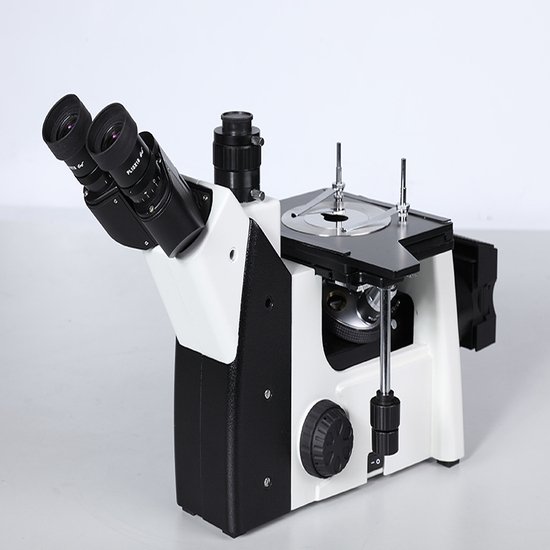
Máquina de ensayo de dureza
A máquina de ensayo de dureza applies a controlled force to an indenter and measures the material’s response. The result provides a numerical hardness value that reflects material strength and durability.
This makes hardness testing a fast and practical quality control method.
Definition of Hardness Testing Machine
A hardness testing machine is a mechanical, digital, or automatic instrument designed to determine material hardness using standardized test methods. It produces consistent and repeatable results.
These machines are widely used across industries.
Role of Hardness Testing in Industry
Hardness testing helps manufacturers verify material properties before and after processing. It supports decisions related to heat treatment, machining, and material selection.
Reliable testing prevents failures.
Importance of Hardness Testing Machines
Hardness testing machines are important because they detect variations in material properties early. This reduces waste, improves safety, and ensures product performance.
Industries rely on accurate hardness data.
History and Evolution of Hardness Testing
Early hardness testing methods were simple and subjective. Modern hardness testing machines use precise load control and digital measurement.
This evolution improved accuracy and efficiency.
Basic Principle of Hardness Testing
Hardness testing measures resistance to indentation. A harder material resists penetration more than a softer one.
The depth or size of the indentation determines hardness.
Types of Hardness Testing Machines
Hardness testing machines are classified by testing method. Common types include Rockwell, Brinell, and Vickers machines.
Each method suits specific materials.
Máquina de ensayo de dureza Rockwell
Rockwell hardness testing machines measure indentation depth under load. Results are direct and fast.
They are widely used in production.
Máquina de ensayo de dureza Brinell
Brinell hardness testing machines measure indentation diameter using a spherical indenter. They are ideal for coarse or heterogeneous materials.
This method provides average hardness values.
Máquina de ensayo de dureza Vickers
Vickers hardness testing machines use a diamond pyramid indenter. They offer high precision across a wide hardness range.
They are common in laboratories.
Máquina de ensayo de microdureza
Microhardness testing machines apply very low loads. They are used for thin coatings and microstructural analysis.
La precisión es esencial.
Macro Hardness Testing Machine
Macro hardness testing machines use higher loads for bulk material testing. They provide representative hardness values.
They are suitable for structural materials.
Digital Hardness Testing Machine
Digital hardness testing machines use electronic sensors and displays. They improve repeatability and data handling.
Digital output supports documentation.
Automatic Hardness Testing Machine
Automatic hardness testing machines control loading and measurement automatically. They support high-volume testing environments.
Automation improves efficiency.
Portable Hardness Testing Machine
Portable hardness testing machines enable on-site testing of large or installed components. They offer flexibility without sacrificing accuracy.
They are widely used in maintenance.
Components of a Hardness Testing Machine
Key components include the indenter, load application system, measuring system, and frame. Each component affects accuracy.
Proper design ensures stability.
Indenters and Test Loads
Indenters can be diamond or hardened steel. Load selection depends on material type and test method.
Standardization ensures consistency.
Test Procedures and Methods
Hardness testing follows standardized procedures. Correct positioning, load application, and measurement are essential.
La coherencia mejora la fiabilidad.
Materials Suitable for Hardness Testing
Hardness testing machines are primarily used for metals and alloys. Steel, aluminum, and cast iron are commonly tested.
Correct method selection is important.

Hardness Testing for Steel
Steel hardness testing verifies heat treatment and mechanical performance. It is critical for safety-related components.
Reliable results support quality assurance.
Hardness Testing for Aluminum
Aluminum alloys require careful load selection. Hardness testing ensures alloy consistency.
It supports lightweight design.
Hardness Testing for Cast Iron
Cast iron benefits from hardness testing due to its heterogeneous structure. Brinell testing is often used.
Average hardness values are reliable.
Requisitos para la preparación de muestras
Samples must be clean and properly prepared. Rough surfaces affect indentation accuracy.
Proper preparation improves results.
Precisión y repetibilidad
Accuracy depends on calibration and proper operation. Repeatability improves with digital and automatic machines.
Consistent testing builds confidence.
Calibration of Hardness Testing Machine
Regular calibration ensures reliable results. Certified reference blocks support traceability.
La calibración es esencial para el cumplimiento de la normativa.
Standards for Hardness Testing
Hardness testing machines follow ASTM and ISO standards. Standards define procedures and tolerances.
La conformidad garantiza la aceptación mundial.
Advantages of Hardness Testing Machines
Entre sus principales ventajas figuran:
- Pruebas rápidas
- Funcionamiento sencillo
- Reliable results
- Wide application range
These benefits make hardness testing machines indispensable.
Limitations of Hardness Testing
Hardness testing provides indirect information about material strength. It may not reflect all mechanical properties.
Understanding limitations ensures proper interpretation.
Aplicaciones en la fabricación
Manufacturers use hardness testing machines for process control. Testing identifies variations early.
This improves productivity.
Aplicaciones en el control de calidad
Quality control laboratories rely on hardness testing machines for acceptance testing. Results ensure specification compliance.
Documentation supports audits.
Aplicaciones en laboratorios de I+D
Research laboratories use hardness testing machines to study material behavior. Data supports innovation.
Precision is important.
Aplicaciones en la industria del automóvil
Automotive components require strict hardness control. Hardness testing ensures safety and durability.
It is widely used.
Aplicaciones en la industria aeroespacial
Aerospace materials demand precise testing. Hardness testing machines support compliance and traceability.
La precisión es fundamental.
Data Recording and Reporting
Modern hardness testing machines generate digital records. Reports integrate with quality systems.
La gestión de datos mejora la eficacia.
Integración con los sistemas de calidad
Hardness testing machines integrate with digital quality systems. Data supports Industry 4.0 initiatives.
La conectividad mejora el control.
Errores comunes en las pruebas
Errors include incorrect scale selection and poor surface preparation. Training reduces mistakes.
Los procedimientos normalizados mejoran la coherencia.
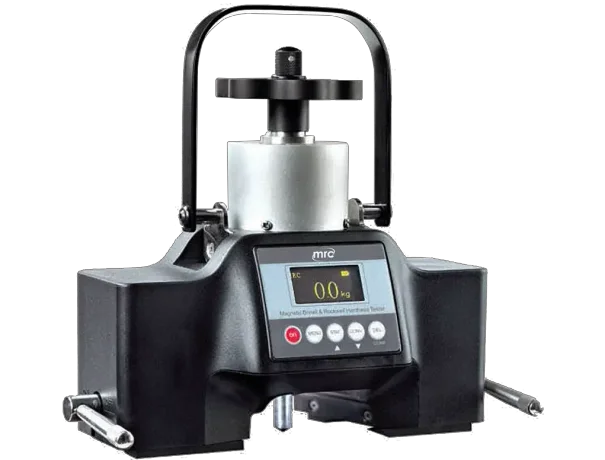
Selecting the Right Hardness Testing Machine
Selection depends on materials, testing volume, and automation needs. Expert guidance ensures optimal investment.
The right machine improves productivity.
Mantenimiento y cuidado
El mantenimiento rutinario preserva la precisión. Un cuidado adecuado prolonga la vida útil del equipo.
El mantenimiento favorece la fiabilidad a largo plazo.
Experiencia y soluciones de marca
Fiable máquina de ensayo de dureza solutions require precision engineering and expert support. Johoyd, a través de https://hardnesstests.com, provides advanced hardness testing machines for manufacturing, laboratories, and quality control, delivering accuracy, durability, and full compliance with international standards.
Future Trends in Hardness Testing Machines
Future trends include automation, smart software, and enhanced data integration. These developments will further improve testing efficiency.
Preguntas frecuentes
What is a hardness testing machine used for?
It measures resistance of materials to indentation.
Is hardness testing destructive?
It is minimally destructive.
Which materials can be tested?
Principalmente metales y aleaciones.
Do hardness testing machines need calibration?
Sí, se requiere una calibración periódica.
Are digital machines more accurate?
They improve repeatability and reduce operator error.
Which standards apply to hardness testing?
Normas ASTM e ISO.
Conclusión
A máquina de ensayo de dureza is an essential tool for evaluating material strength and durability. Its speed, simplicity, and reliability make it indispensable across manufacturing, quality control, and research environments.
Con las soluciones de confianza de Johoyd disponible en hardnesstests.com, industries can rely on hardness testing machines that deliver precision, efficiency, and compliance. As technology evolves, hardness testing machines will continue to play a critical role in modern material evaluation.
Enlaces internos sugeridos
- Durómetros industriales
- Metallurgical Laboratory Equipment
Enlaces salientes sugeridos
- Normas ASTM para ensayos de dureza
- ISO Hardness Measurement Standards