




What Is Hardness Testing? Understanding Material Strength and Quality


Introduction to Hardness Testing
If you’ve ever wondered what is hardness testing, you’re not alone. Hardness testing is one of the most widely used methods for evaluating the mechanical properties of metals and other materials. It helps manufacturers, engineers, and quality inspectors determine how resistant a material is to indentation, scratching, abrasion, or deformation.
From automotive components and aerospace parts to industrial machinery and consumer products, hardness testing plays a critical role in ensuring materials meet performance and durability requirements. Without accurate hardness measurement, manufacturers would struggle to verify product quality, maintain consistency, and meet industry standards.
Hardness testing is often one of the first inspections performed during production and quality control because it provides quick and reliable information about a material’s condition.
Why Hardness Testing Matters
Quality Control in Manufacturing
Manufacturers use hardness testing to verify that materials and finished products meet specified requirements. Consistent hardness values often indicate that manufacturing processes such as casting, forging, machining, and heat treatment have been performed correctly.
Material Performance Evaluation
Hardness is closely related to other mechanical properties such as strength, wear resistance, and durability. Measuring hardness helps engineers predict how a material will perform in real-world applications.
Some key benefits include:
- Controle van de resultaten van de warmtebehandeling
- Monitoring production consistency
- Productstoringen terugdringen
- Supporting regulatory compliance
- Improving overall product reliability
What Is Hardness Testing and How Does It Work?
Definition of Material Hardness
Material hardness refers to a material’s ability to resist permanent deformation when subjected to an external force. In simple terms, harder materials are more resistant to indentation, scratching, or wear.
Resistance to Indentation and Deformation
Most hardness testing methods work by pressing an indenter into the surface of a material under a controlled load. The size or depth of the resulting indentation is then measured and converted into a hardness value.
Measuring Hardness Through Standardized Methods
To ensure consistency and comparability, hardness testing follows internationally recognized standards. These standards define testing procedures, equipment requirements, load levels, and calculation methods.
The choice of testing method depends on factors such as:
| Factor | Influence on Test Selection |
|---|---|
| Type materiaal | Steel, aluminum, cast iron, coatings |
| Dikte monster | Thin materials require specialized methods |
| Toestand van het oppervlak | Rough surfaces may require specific techniques |
| Vereiste nauwkeurigheid | Laboratory testing demands higher precision |
| Testlocatie | Field inspections often use portable devices |
Gebruikelijke hardheidsmethodes
Rockwell hardheid testen
Rockwell testing is one of the fastest and most widely used hardness measurement methods. It determines hardness by measuring the depth of indentation created by a diamond cone or steel ball indenter.
De voordelen zijn onder andere:
- Snelle testsnelheid
- Directe hardheidsmetingen
- Minimal sample preparation
- Geschikt voor productieomgevingen
Rockwell scales commonly include HRC, HRB, and HRA.
Brinell hardheid testen
Brinell testing uses a hardened tungsten carbide ball pressed into the material surface under a large load. The diameter of the indentation is measured to determine hardness.
This method is especially useful for:
- Gietijzer
- Smeedstukken
- Large steel components
- Coarse-grain materials
Brinell testing provides excellent average hardness values over larger surface areas.
Vickers hardheidsmeting
Vickers testing uses a diamond pyramid indenter and is known for its versatility and precision. It can be applied to both soft and hard materials using a wide range of testing loads.
De voordelen zijn onder andere:
- Hoge nauwkeurigheid
- Geschikt voor dunne materialen
- Excellent for metallographic analysis
- Applicable to nearly all metals
Knoop hardheidsmeting
Knoop testing is designed for very thin materials, coatings, and brittle substances. It uses an elongated diamond indenter that produces a shallow indentation.
Toepassingen zijn onder andere:
- Dunne coatings
- Keramiek
- Glass materials
- Elektronische onderdelen
Leeb hardheidsmeting
Leeb testing measures hardness through a rebound principle rather than indentation size. It is commonly used in portable testing devices.
Voordelen zijn onder andere:
- Portable operation
- Rapid field inspection
- Testing of large components
- Minimal sample preparation
Equipment Used in Hardness Testing
Hardness Testing Machines
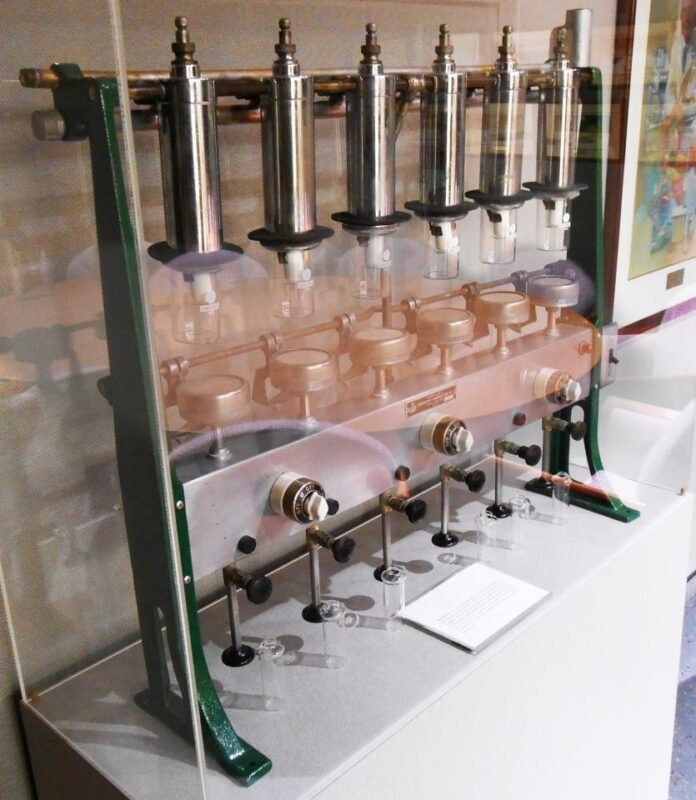
Laboratory hardness testing machines provide highly accurate and repeatable results. These systems often include automated load application, digital displays, and advanced reporting software.
Draagbare hardheidsmeters
Portable devices allow inspectors to perform measurements directly on equipment, structures, and large workpieces.
Common industries include:
- Oil and gas
- Power generation
- Aerospace
- Heavy manufacturing
Calibration Blocks and Accessories
Calibration blocks are essential for verifying tester accuracy and maintaining compliance with quality standards.
Algemeen geteste materialen
Hardness testing is used on a wide range of materials:
Staal en roestvrij staal
Common in manufacturing, construction, and engineering.
Aluminium en non-ferrometalen
Widely used in transportation and aerospace industries.
Cast Iron and Alloys
Frequently tested in heavy machinery and foundries.
Coatings en dunne materialen
Require microhardness or specialized testing methods.
Toepassingen in verschillende sectoren
Autoproductie
Hardness testing ensures the quality of gears, shafts, bearings, and engine components.
Ruimtevaarttechniek
Aircraft materials require strict hardness verification to maintain safety and performance.
Olie- en gasindustrie
Pipelines, pressure vessels, and drilling equipment often undergo hardness inspection.
Laboratoria voor onderzoek en metallurgie
Researchers use hardness testing to study material properties and microstructures.
Benefits of Hardness Testing
De belangrijkste voordelen zijn:
- Quick and cost-effective inspection
- Non-destructive or minimally destructive evaluation
- Improved quality control
- Enhanced product reliability
- Verificatie van warmtebehandelingsprocessen
- Compliance with international standards
Uitdagingen en beperkingen
Despite its advantages, hardness testing has limitations:
- Het kan nodig zijn het oppervlak voor te bereiden
- Results can vary with material thickness
- Incorrect test selection can affect accuracy
- Environmental conditions may influence measurements
Understanding these limitations helps ensure more reliable testing results.

International Standards and Compliance
Hardness testing commonly follows international standards such as:
- ASTM International
- ISO-normen
- EN-normen
- JIS-standaarden
These standards ensure consistent testing procedures and reliable measurement results worldwide.
Beste praktijken voor nauwkeurig testen
To obtain reliable results:
- Use calibrated equipment.
- Prepare clean testing surfaces.
- Select the appropriate hardness method.
- Follow recognized testing standards.
- Verify equipment regularly using certified reference blocks.
Proper testing procedures significantly improve measurement accuracy and repeatability.
Veelgestelde vragen
1. What is hardness testing used for?
Hardness testing measures a material’s resistance to indentation and helps evaluate quality, strength, and wear resistance.
2. Why is hardness important?
Hardness often correlates with durability, strength, and resistance to wear, making it an important material property.
3. Which hardness test is most common?
Rockwell hardness testing is one of the most widely used methods due to its speed and simplicity.
4. Can hardness testing damage a material?
Most methods create only a small indentation, causing minimal surface damage.
5. Is hardness testing suitable for all metals?
Yes, different testing methods are available for nearly all metallic materials.
6. Hoe vaak moeten hardheidsmeters gekalibreerd worden?
Calibration frequency depends on usage and quality requirements, but regular verification is recommended.
Conclusie
Inzicht What is hardness testing is essential for anyone involved in manufacturing, engineering, quality control, or materials research. Hardness testing provides valuable information about a material’s resistance to deformation and helps ensure products meet performance, safety, and durability requirements.
Whether using Rockwell, Brinell, Vickers, Knoop, or Leeb methods, hardness testing remains one of the most important tools for evaluating material quality. As industries continue to demand higher levels of precision and reliability, hardness measurement will remain a critical part of modern manufacturing and inspection processes.