




Material Testing Laboratory Equipment: The Complete Guide to Advanced Material Analysis and Quality Control

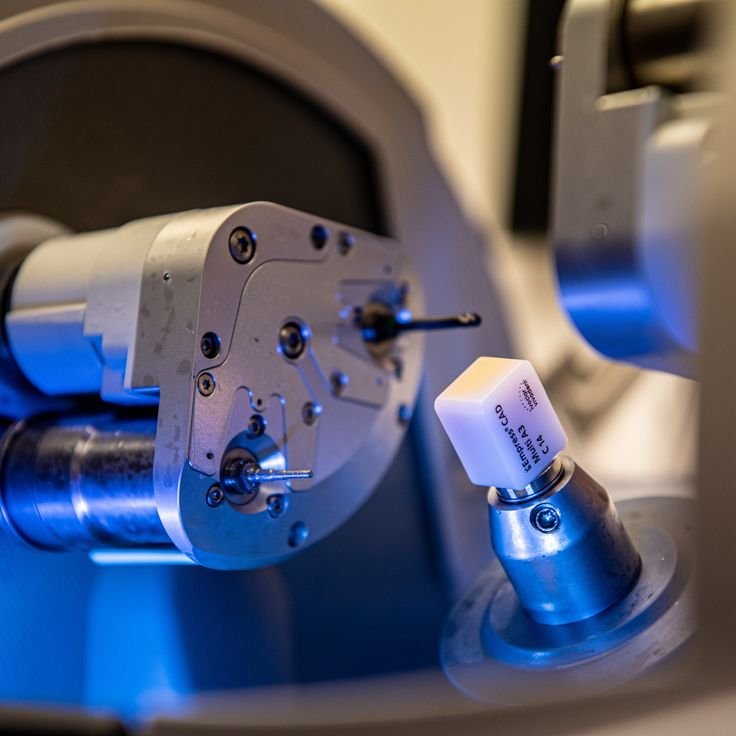
Introduction to Material Testing Laboratory Equipment
Material testing laboratory equipment plays a critical role in evaluating the quality, reliability, and performance of engineering materials. These advanced instruments are used in laboratories, research institutions, manufacturing facilities, and quality control departments to measure mechanical, physical, and chemical properties of different materials.
Before materials are used in industrial products, engineers must understand how they behave under different conditions. Testing equipment helps determine important characteristics such as hardness, strength, durability, wear resistance, flexibility, and structural performance.
From metals and alloys to plastics, ceramics, composites, and coatings, modern testing systems provide accurate data that supports better product design, improved manufacturing processes, and safer applications.
What Is Material Testing Laboratory Equipment?
Definitie en doel
Material testing laboratory equipment refers to specialized machines and instruments designed to evaluate the properties and performance of materials under controlled laboratory conditions.
These systems are used to measure:
- Mechanical strength
- Hardheid
- Tensile behavior
- Compression resistance
- Impact performance
- Surface properties
- Material composition
The purpose of laboratory testing is to verify whether materials meet technical specifications and industry requirements.
Importance in Modern Engineering
Material testing supports industries by providing reliable information about material behavior.
Engineers use testing results to:
- Select suitable materials
- Improve product designs
- Prevent failures
- Optimize manufacturing processes
- Ensure safety and reliability
Without accurate testing, manufacturers cannot confidently predict how materials will perform during actual service conditions.
Why Material Testing Is Essential
Productkwaliteit garanderen
Laboratory testing helps companies verify that materials meet required specifications.
Testing can identify:
- Incorrect material properties
- Manufacturing defects
- Processing problems
- Performance limitations
Improving Material Performance
Testing allows engineers to improve:
- Sterkte
- Duurzaamheid
- Slijtvastheid
- Heat resistance
- Structural reliability
Supporting Research and Development
Research laboratories use testing equipment to develop:
- New alloys
- Advanced composites
- High-performance polymers
- Protective coatings
- Lightweight engineering materials
Meeting Industry Standards
Material testing ensures compliance with international standards such as:
- ASTM
- ISO
- DIN
- JIS
Types of Material Testing Laboratory Equipment
Hardness Testing Equipment
Hardness testing equipment measures a material’s resistance to indentation or deformation.
Veelvoorkomende systemen zijn onder meer:
Rockwell Hardness Testing Machines
Rockwell testers provide fast hardness measurements for:
- Staal
- Aluminium
- Warmtebehandelde onderdelen
- Industrial parts
Benefits:
- Quick operation
- Directe hardheidsmeting
- Hoge herhaalbaarheid
Brinell Hardness Testing Machines
Brinell testers use a ball indenter to measure indentation size.
Toepassingen:
- Gietijzer
- Grote metalen onderdelen
- Aluminiumlegeringen
Vickers and Microhardness Testers
Vickers systems are suitable for precision hardness measurement.
Toepassingen zijn onder andere:
- Dunne materialen
- Coatings
- Small components
- Heat-treated layers
Microhardness testers are widely used in research and metallographic laboratories.
Tensile Testing Equipment
Tensile testing machines evaluate how materials respond to pulling forces.
Measurements include:
- Tensile strength
- Yield strength
- Elongation
- Breaking point
Toepassingen:
- Metals
- Plastics
- Rubber
- Composite materials

Compression Testing Machines
Compression testers measure how materials behave under compressive forces.
Gebruikt voor:
- Concrete testing
- Plastic components
- Structural materials
- Foam products
Impact testapparatuur
Impact testing evaluates a material’s ability to absorb sudden forces.
Common tests include:
- Charpy impact testing
- Izod impact testing
Toepassingen:
- Structural materials
- Auto onderdelen
- Safety-critical parts
Fatigue Testing Systems
Fatigue testing determines how materials perform under repeated loading conditions.
Toepassingen zijn onder andere:
- Aerospace components
- Automotive parts
- Mechanical assemblies
Metallographic Analysis Equipment
Metallographic equipment helps examine material structures.
Common instruments include:
- Metallographic microscopes
- Sample preparation systems
- Polishing machines
- Etching equipment
Toepassingen:
- Grain structure analysis
- Heat treatment evaluation
- Failure investigation
Apparatuur voor niet-destructief onderzoek
Non-destructive testing allows inspection without damaging materials.
Common methods include:
- Ultrasonic testing
- Magnetic particle testing
- Eddy current testing
- X-ray inspection
Toepassingen:
- Weld inspection
- Aerospace components
- Pressure equipment
Chemical Analysis Instruments
Chemical analysis equipment identifies material composition.
Examples include:
- X-ray fluorescence analyzers
- Optical emission spectrometers
Toepassingen:
- Alloy identification
- Material verification
- Quality control
Mechanical Properties Evaluated by Laboratory Equipment
Hardness Measurement
Hardness testing determines resistance to surface deformation.
Common methods:
- Rockwell
- Brinell
- Vickers
- Microhardheid
Tensile Strength
Tensile testing measures maximum pulling force a material can withstand.
Yield Strength
Yield strength indicates when permanent deformation begins.
Elongation and Ductility
These measurements show how much a material can deform before failure.
Impact Resistance
Impact testing evaluates resistance to sudden loading.
Fatigue Performance
Fatigue tests measure durability under repeated stress.
Material Testing Equipment for Different Materials
Metal Testing Equipment
Metal testing evaluates:
- Staal
- Aluminium
- Copper
- Titanium alloys
Common tests:
- Hardness testing
- Tensile testing
- Metallografische analyse
Plastic Testing Equipment
Plastic testing measures:
- Hardheid
- Flexibiliteit
- Sterkte
- Thermal performance
Ceramic Testing Equipment
Ceramic testing evaluates:
- Hardheid
- Brittleness
- Compression strength
- Slijtvastheid
Composite Material Testing
Composite testing examines:
- Fiber reinforcement
- Layer bonding
- Mechanical performance
Coating and Surface Testing
Surface testing evaluates:
- Coating hardness
- Adhesion
- Thickness
- Slijtvastheid
Advanced Features of Modern Laboratory Equipment
Digital Measurement Systems
Modern equipment includes:
- Digitale sensoren
- Electronic displays
- Automatic calculations
- Gegevensopslag
Automated Testing Technology
Automation provides:
- Faster testing
- Verbeterde herhaalbaarheid
- Reduced operator influence
Data Analysis Software
Software enables:
- Test reporting
- Statistische analyse
- Quality tracking
Computer-Controlled Operation
Computer systems manage:
- Testing parameters
- Data collection
- Results analysis
Applications of Material Testing Laboratory Equipment
Auto-industrie
Used for testing:
- Motoronderdelen
- Vehicle structures
- Metal parts
- Polymer components
Ruimtevaarttechniek
Testing supports:
- Aircraft materials
- Lightweight alloys
- Composite structures
Manufacturing Quality Control
Manufacturers use testing equipment for:
- Incoming inspection
- Process verification
- Final product validation
Academic Research
Universities use laboratory equipment for:
- Material science studies
- Engineering education
- Scientific research
Product Development
Testing helps engineers create:
- Stronger products
- Safer designs
- Better materials
How to Choose Material Testing Laboratory Equipment
Testvereisten
Determine required tests:
- Hardheid
- Tensile strength
- Impact resistance
- Chemical analysis
- Surface evaluation
Type materiaal
Consider whether testing involves:
- Metals
- Plastics
- Keramiek
- Composites
- Coatings
Nauwkeurigheid en herhaalbaarheid
Important factors include:
- Measurement precision
- Test consistency
- Calibration capability
Testnormen
Select equipment that supports:
- ASTM standards
- ISO standards
- Industry specifications
Automation Requirements
Choose between:
- Manual equipment
- Semi-automatic systems
- Fully automated systems
Kalibratie en onderhoud
Regular maintenance includes:
- Sensor calibration
- Mechanical inspection
- Software updates
- Reference sample verification
- Equipment cleaning
Proper calibration ensures reliable testing results.
Benefits and Limitations
Voordelen
Material testing laboratory equipment provides:
- Accurate material evaluation
- Improved product quality
- Reduced failure risks
- Better research capabilities
- Voldoen aan normen
Beperkingen
Challenges may include:
- Initial investment cost
- Operator training requirements
- Regular maintenance needs
- Laboratory space requirements
International Standards
Common standards related to material testing laboratory equipment omvatten:
- ASTM E18 – Rockwell Hardness Testing
- ASTM E10 – Brinell Hardness Testing
- ASTM E384 – Microindentation Hardness Testing
- ASTM E8/E8M – Tensile Testing of Metallic Materials
- ISO 6506 – Brinell Hardness Test
- ISO 6507 – Vickers Hardness Test
- ISO 6508 – Rockwell Hardness Test
- ISO 6892 – Tensile Testing of Metallic Materials
Official resources:
Veelgestelde vragen
1. What is material testing laboratory equipment used for?
Material testing laboratory equipment is used to evaluate mechanical, physical, and chemical properties of materials for research, quality control, and product development.
2. What materials can be tested with laboratory equipment?
Testing equipment can analyze metals, plastics, ceramics, composites, coatings, and advanced engineering materials.
3. Why is hardness testing important in material analysis?
Hardness testing helps determine material strength, wear resistance, heat treatment quality, and surface performance.
4. What industries use material testing laboratory equipment?
Industries include automotive, aerospace, manufacturing, construction, electronics, medical devices, and research organizations.
5. How often should material testing equipment be calibrated?
Calibration frequency depends on equipment type, usage conditions, manufacturer recommendations, and applicable standards.
6. How do I choose the right material testing equipment?
Selection depends on material type, required tests, accuracy needs, standards compliance, automation requirements, and laboratory goals.
Conclusie
Material testing laboratory equipment is essential for understanding material performance, improving product quality, and supporting advanced engineering research. From hardness testers and tensile machines to metallographic systems and non-destructive testing equipment, these instruments provide valuable information about material behavior.
By selecting suitable equipment based on testing requirements, material characteristics, accuracy expectations, and industry standards, laboratories and manufacturers can improve reliability, reduce failures, and develop higher-quality products for modern industrial applications.