




Hardness Testing for Steel: Complete Guide for Industrial Applications

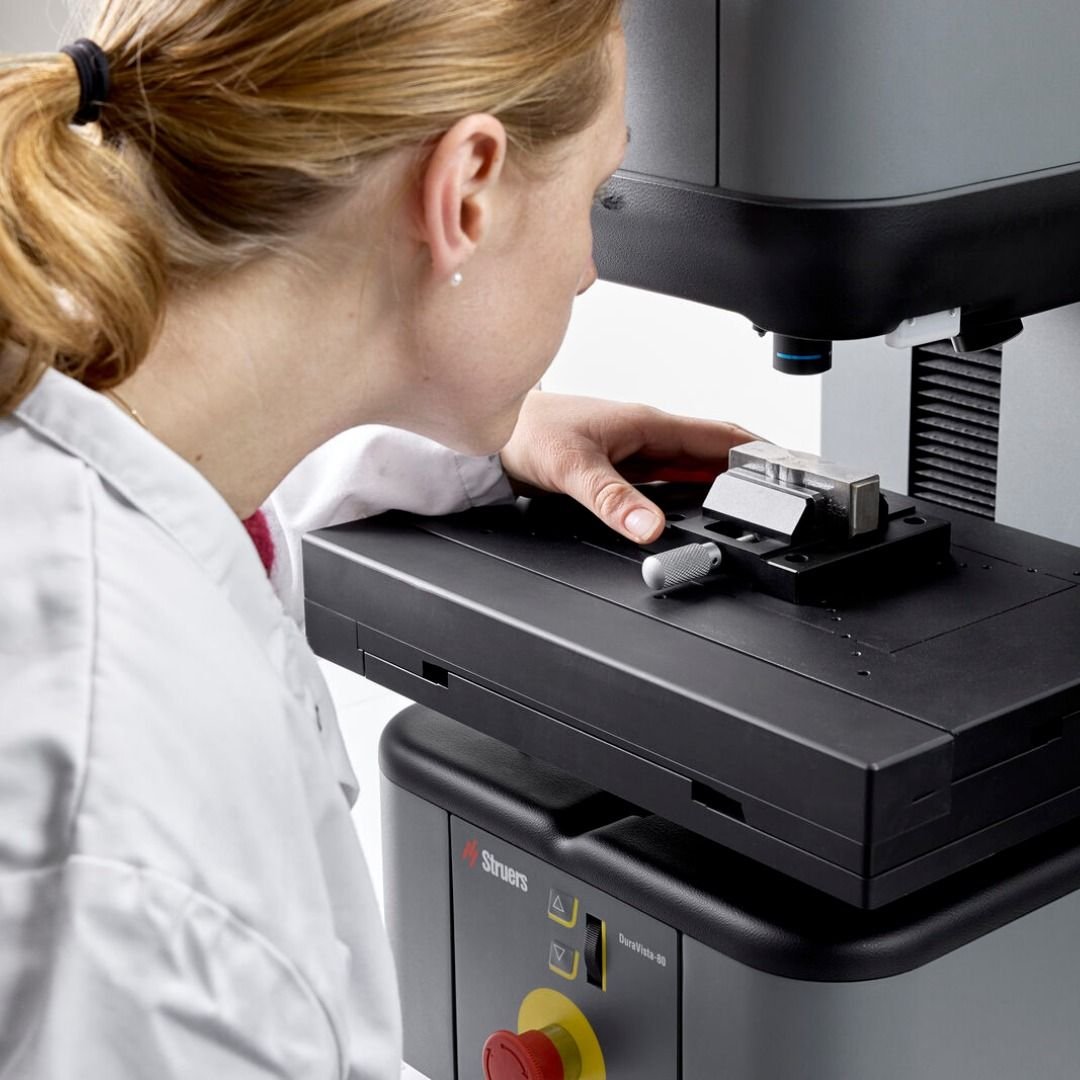
Introduction to Hardness Testing for Steel
Hardness testing for steel is one of the most important procedures in material quality control and industrial manufacturing. Steel components used in aerospace, automotive, construction, and heavy machinery industries must meet strict hardness requirements to ensure durability, strength, and long-term performance.
Manufacturers rely on hardness testing for steel to verify heat treatment quality, material consistency, and resistance to wear or deformation.

Why Steel Hardness Testing Is Important
Material Performance and Durability
Steel hardness directly affects wear resistance, tensile strength, and fatigue performance.
Quality Control in Manufacturing
Hardness measurement helps manufacturers maintain consistent production quality and detect material defects early.
Uitgaande referentie:
https://en.wikipedia.org/wiki/Hardness_testing
Extra referentie:
https://www.iso.org/
Common Methods Used in Hardness Testing for Steel
Rockwell hardheid testen
Rockwell testing is widely used because it is fast, reliable, and suitable for production environments.
Brinell hardheid testen
Brinell testing is commonly used for large steel parts and cast materials.
Vickers hardheidsmeting
Vickers testing provides highly accurate measurements for small or thin steel samples.
Ultrasonic Hardness Testing
Ultrasonic methods allow portable and non-destructive testing in field applications.
Interne link:
https://hardnesstests.com/ultrasonic-hardness-tester
How Hardness Testing for Steel Works
Indentation Principle
Most hardness testing methods measure resistance to indentation under a controlled load.
Belasting toepassen en meten
Different methods use different loads and indenters depending on the steel type and testing standard.
Resultaten lezen en interpreteren
Results are expressed in scales such as HRC, HBW, or HV.
Types of Steel Tested
Koolstofstaal
Widely used in construction and industrial manufacturing.
Roestvrij staal
Requires accurate testing due to corrosion-resistant properties.
Gelegeerd staal
Often tested after heat treatment processes.
Gehard staal
Requires specialized testing methods because of its high hardness values.
Interne link:
https://hardnesstests.com/steel-hardness-tester
Equipment Used for Steel Hardness Testing
Draagbare hardheidsmeters
Ideal for on-site inspections and large components.
Laboratoriumhardheidsmeters
Provide high precision and repeatability.
Geautomatiseerde testsystemen
Used in production lines for continuous quality monitoring.
Interne link:
https://hardnesstests.com/laboratory-hardness-tester
Industrial Applications of Hardness Testing for Steel
Autoproductie
Used to verify engine parts, gears, and structural components.
Ruimtevaart Onderdelen
Ensures safety and reliability of critical materials.
Construction and Structural Steel
Supports quality assurance in bridges and buildings.
Olie- en gasindustrie
Used to inspect pipelines, drilling tools, and pressure equipment.
Benefits of Hardness Testing for Steel
- Verbetert de betrouwbaarheid van het product
- Ensures material consistency
- Supports heat treatment verification
- Vermindert het risico op defecten aan onderdelen
- Enhances quality control efficiency
Beperkingen en uitdagingen
- Het kan nodig zijn het oppervlak voor te bereiden
- Some methods can leave visible indentations
- Incorrect calibration may affect accuracy
Normen en naleving
Steel hardness testing commonly follows:
- ASTM-standaarden → https://www.astm.org/
- ISO-normen → https://www.iso.org/

Beste praktijken voor nauwkeurig testen
- Calibrate equipment regularly
- Use the correct testing method
- Prepare surfaces properly
- Avoid contamination or vibration during testing
Aanbevolen producten en interne links
Verken verwante oplossingen:
- https://hardnesstests.com/portable-hardness-tester-equipment
- https://hardnesstests.com/leeb-hardness-tester
- https://hardnesstests.com/metallographic-hardness-tester
- https://hardnesstests.com/hardness-calibration-blocks
FAQs About Hardness Testing for Steel
1. Why is steel hardness testing important?
It helps ensure material strength, durability, and product quality.
2. Which hardness testing method is best for steel?
Rockwell, Brinell, and Vickers methods are commonly used depending on the application.
3. Can hardness testing damage steel parts?
Most methods create small indentations, while ultrasonic methods are minimally invasive.
4. Is portable testing accurate?
Yes, modern portable testers provide reliable field measurements.
5. What standards are commonly used?
ASTM and ISO standards are widely recognized.
6. How often should equipment be calibrated?
Regular calibration is recommended for accurate and repeatable results.
Conclusie
Hardness testing for steel is essential for maintaining product quality, verifying material properties, and ensuring industrial safety. By selecting the correct testing method and using properly calibrated equipment, manufacturers can achieve reliable and consistent hardness measurement results.

