




Digital Vickers Hardness Tester: 15 Powerful Advantages for Precision Material Testing


A digital vickers hardness tester is an advanced instrument designed to measure material hardness with exceptional accuracy and efficiency. By integrating digital imaging, automated measurement, and intelligent software, this tester significantly improves the reliability and speed of hardness testing processes.
The system operates based on the Vickers Hardness Test, which uses a diamond pyramid indenter to create a precise indentation on the material surface.
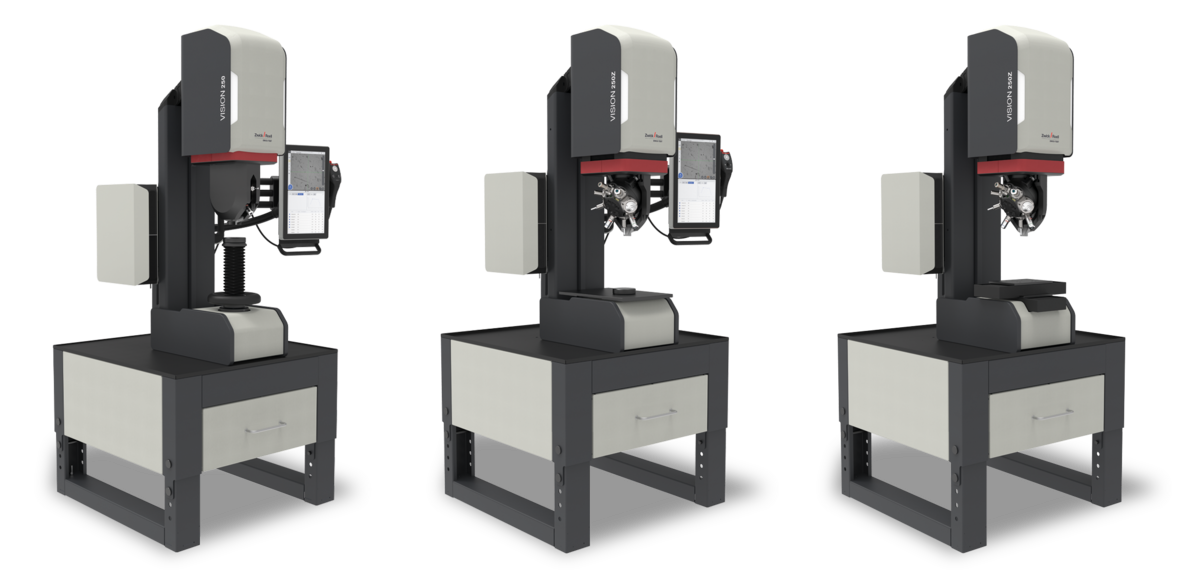
Introduction to Digital Vickers Hardness Tester
Digital Vickers testers represent the evolution of traditional hardness testing.
What Is a Digital Vickers Hardness Tester
A digital vickers hardness tester is a modern device that uses electronic systems and software to measure hardness by analyzing the indentation created by a diamond indenter.
De belangrijkste kenmerken zijn onder meer:
- Automated measurement
- High-resolution imaging
- Digital data processing
- User-friendly interfaces
Het belang ervan bij moderne materiaaltesten
These testers are essential for:
- De productkwaliteit waarborgen
- Supporting advanced material research
- Improving testing efficiency
- Reducing human error
Working Principle of Digital Vickers Hardness Tester ⚙️
Inpersproces
A diamond pyramid indenter is pressed into the material under a controlled load, creating a small indentation.
Digital Measurement and Calculation
The system captures the indentation image and automatically calculates the hardness value as HV (Vickers Hardness Number) using software algorithms.
Key Components of Digital Vickers Hardness Tester
Diamond Indenter
A precision diamond tool that creates the indentation.
Digital Load System
Applies controlled force using electronic mechanisms.
Imaging and Software System
Captures and analyzes indentation data with high accuracy.
Types of Digital Vickers Hardness Testers
Micro Digital Vickers Testers
Used for small loads and thin materials such as coatings.
Macro Digital Vickers Testers
Used for larger loads and bulk materials.
Fully Automatic Systems
Provide complete automation, including indentation, measurement, and reporting.
Materials Suitable for Digital Vickers Testing 🏗️
Metalen en legeringen
Steel, aluminum, copper, and advanced alloys.
Thin Films and Coatings
Ideal for micro-scale hardness evaluation.
Advantages of Digital Vickers Hardness Tester 🌟
High Accuracy and Repeatability
Provides precise and consistent results.
Automated Measurement
Reduces human error and improves efficiency.
Data Storage and Analysis
Allows easy recording and analysis of test results.
Applications of Digital Vickers Hardness Tester 🏭
Metallurgische laboratoria
Used for detailed material analysis.
Manufacturing Quality Control
Ensures product consistency and reliability.
Onderzoek en ontwikkeling
Supports innovation in material science.
Comparison with Traditional Hardness Testers
Digital vs Manual Vickers
Digital testers offer automation and higher accuracy compared to manual systems.

Digital Vickers vs Other Methods
Compared to the Brinell Hardness Test and Rockwell Hardness Test, Vickers provides greater precision for small samples and thin materials.
How to Choose a Digital Vickers Hardness Tester 🔍
Load Range
Select based on material thickness and hardness.
Software Capabilities
Look for advanced features such as data analysis and reporting.
Gebruiksgemak
User-friendly interfaces improve productivity.
Onderhoud en kalibratie 🛠️
Regelmatig onderhoud
- Reinig de indrukkop en het proefstuk
- Inspect optical components
- Zorg voor een juiste uitlijning
Kalibratie
Gebruik gecertificeerde referentieblokken om de nauwkeurigheid te waarborgen.
Future Trends in Digital Hardness Testing 🚀
AI-Based Image Analysis
Improves accuracy and reduces manual intervention.
Cloud Data Integration
Enables remote monitoring and data sharing.
Portable Digital Testers
Enhance flexibility for field testing.
Integration with Smart Manufacturing
Supports Industry 4.0 initiatives.
Veelgestelde vragen
What is a digital Vickers hardness tester?
It is an automated device used to measure material hardness using digital imaging and software.
Welke materialen kunnen worden getest?
Metals, alloys, coatings, and thin materials.
Wat is de meeteenheid?
HV (Vickers Hardness Number).
Why use a digital tester?
For higher accuracy, automation, and efficiency.
Is kalibratie nodig?
Yes, regular calibration ensures reliable results.
Can it store data?
Yes, most digital testers include data storage and analysis features.
Conclusie
A digital vickers hardness tester is a cutting-edge tool for precise and efficient material hardness measurement. Based on the Vickers Hardness Test, it offers superior accuracy, automation, and data management capabilities.
As technology advances, digital Vickers hardness testers will continue to evolve, providing smarter, faster, and more reliable solutions for modern material testing applications. 🔍

