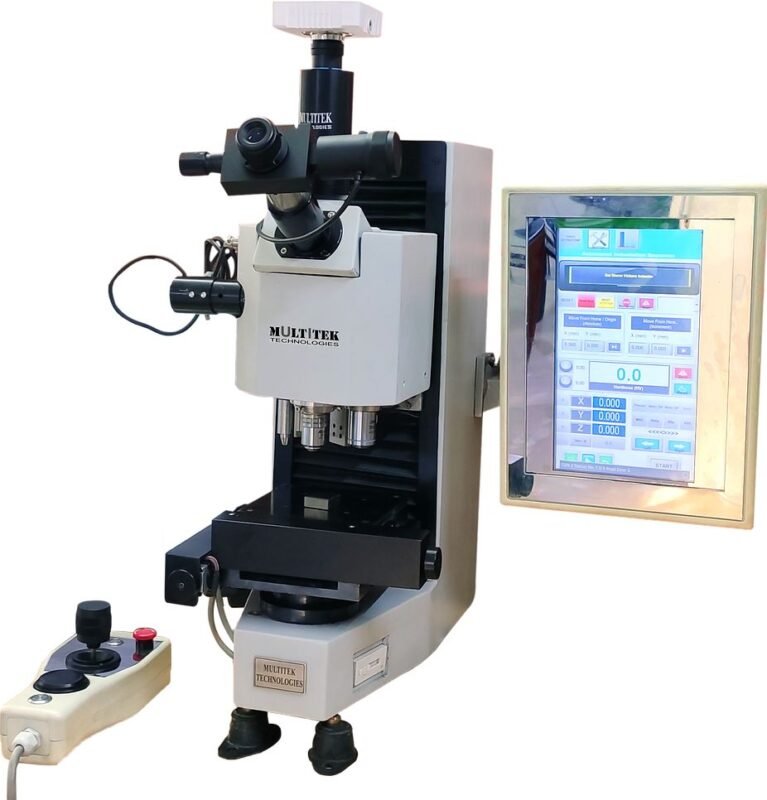
Ceramic Hardness Tester: Complete Guide for Precision Testing

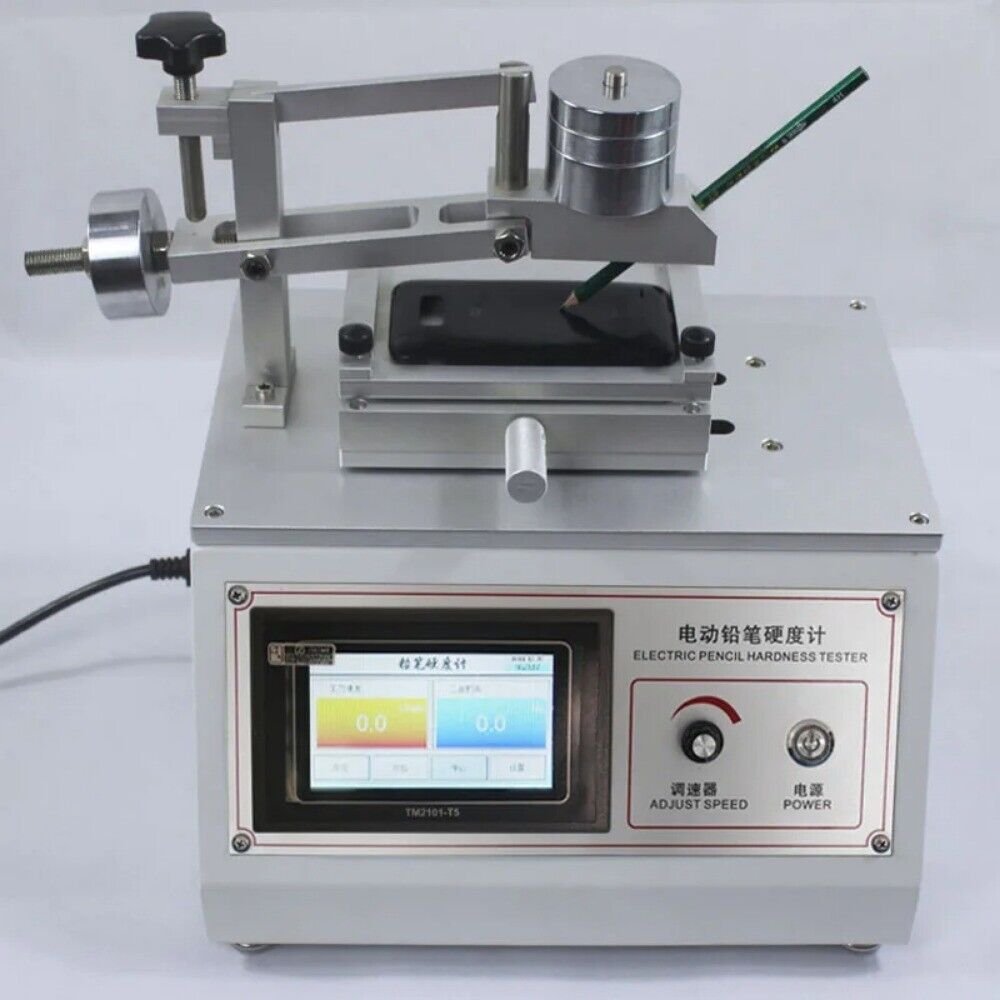
Introduction to Ceramic Hardness Testing
A ceramic hardness tester is essential for evaluating the mechanical properties of ceramics, which are known for their high hardness but brittle nature. Unlike metals, ceramics require precise and low-force testing methods to avoid cracking or inaccurate readings.
In industries such as electronics, aerospace, and advanced manufacturing, a ceramic hardness tester helps ensure material reliability and performance under demanding conditions.
What Is a Ceramic Hardness Tester
Definitie en doel
A ceramic hardness tester is a device used to measure the resistance of ceramic materials to indentation or deformation.
Why Ceramics Require Special Testing
Ceramics are brittle and prone to cracking. A suitable ceramic hardness tester must apply controlled, low loads to prevent damage while maintaining accuracy.
Uitgaande referentie:
https://en.wikipedia.org/wiki/Hardness
Extra referentie:
https://www.iso.org/
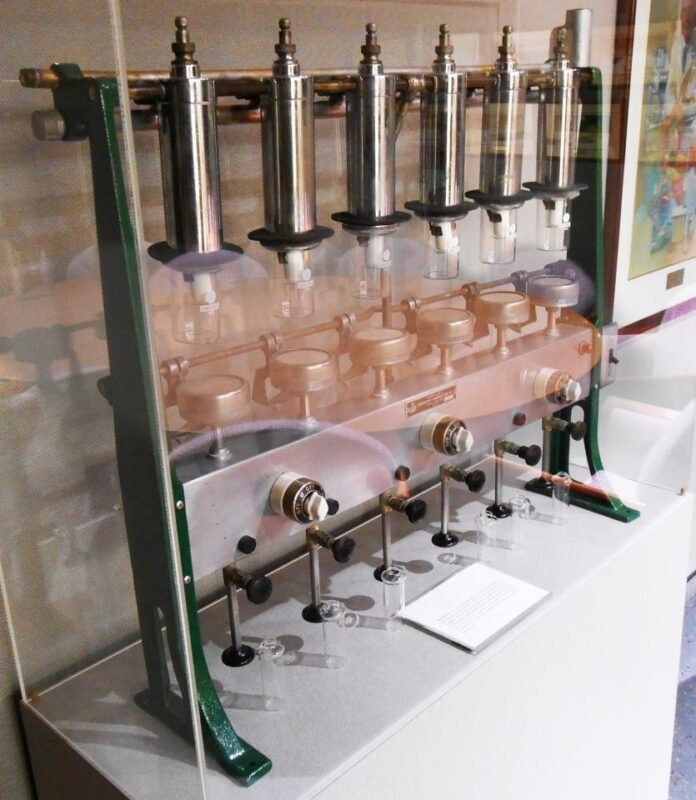
How a Ceramic Hardness Tester Works
Meetprincipes
A ceramic hardness tester typically uses micro-indentation techniques to measure hardness without causing structural failure.
Micro Indentation Method
Applies a small force to create a microscopic indentation on the surface.
Vickers and Knoop Testing
These methods use diamond indenters and are ideal for brittle materials like ceramics.
Types of Ceramic Hardness Tester
Vickers hardheidsmeter
Widely used for precise measurements on ceramics.
Knoop hardheidsmeter
Ideal for thin or fragile ceramic samples.
Micro Hardness Tester
Provides high-resolution measurements for small areas.
Advanced Digital Systems
Modern testers include imaging systems for analyzing indentation patterns.
Belangrijkste kenmerken
Precision for Brittle Materials
Een goed ceramic hardness tester must handle delicate materials without causing cracks.
Load Control and Sensitivity
Accurate force application is critical for reliable results.
Data Analysis and Imaging
Advanced systems provide detailed analysis and reporting.
Applications of Ceramic Hardness Tester
Electronics and Semiconductors
Used to test ceramic substrates and components.
Ruimtevaart Onderdelen
Ensures performance of high-temperature ceramic materials.
Advanced Manufacturing
Used in producing cutting tools and wear-resistant components.
Interne link:
https://hardnesstests.com/ultrasonic-hardness-tester
Advantages of Using Ceramic Hardness Tester
- High precision for brittle materials
- Suitable for micro-scale testing
- Non-destructive when properly used
- Reliable for advanced material analysis
Beperkingen en uitdagingen
A ceramic hardness tester may face challenges such as:
- Surface cracking during testing
- Sensitivity to preparation quality
- Requirement for skilled operation
De juiste apparatuur kiezen
Material Type and Structure
Different ceramics require different testing methods.
Testing Environment
Laboratory conditions are often preferred for precise measurements.
Budget en ondersteuning
Choose reliable equipment with technical support.
Onderhoud en kalibratie
- Regular calibration is essential
- Keep indenters clean
- Avoid contamination
- Store equipment properly
Industriestandaarden en naleving
Most testing follows:
- ASTM → https://www.astm.org/
- ISO → https://www.iso.org/
These standards ensure consistent results.
Beste praktijken voor nauwkeurige resultaten
- Prepare smooth and clean surfaces
- Use correct load settings
- Meerdere metingen doen
- Follow standard procedures
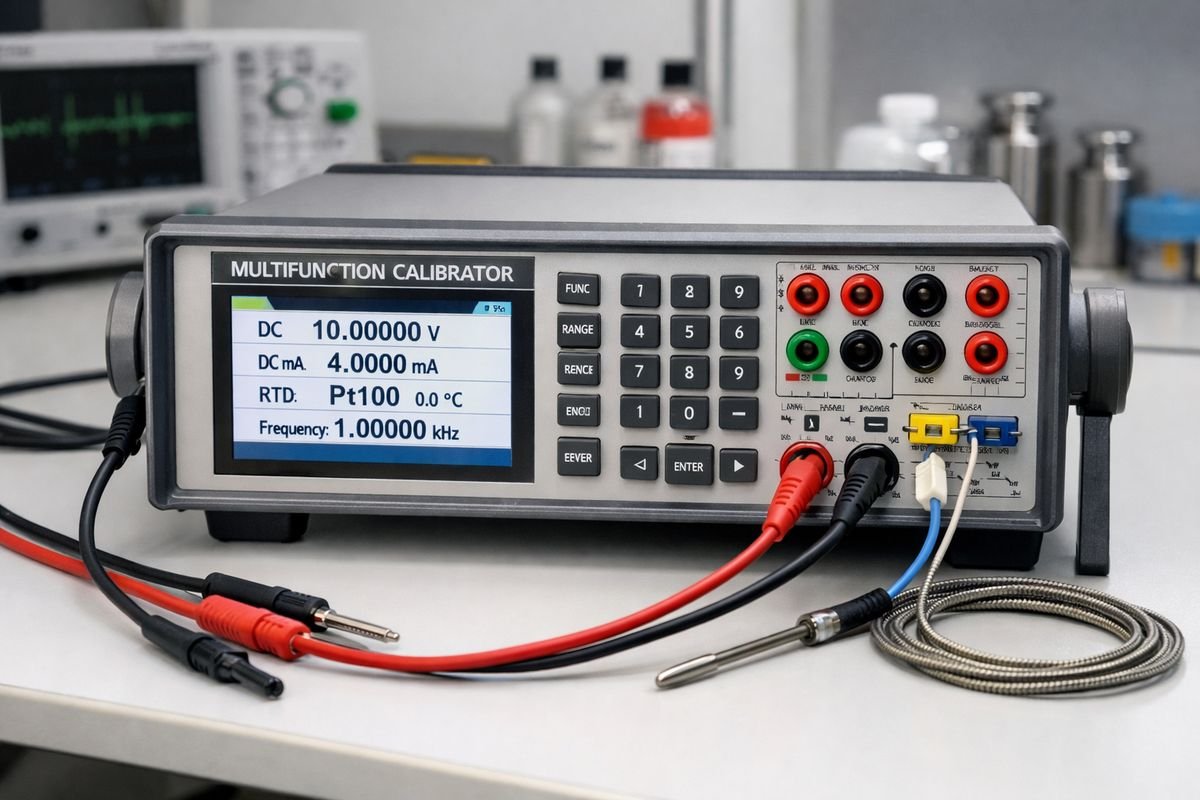
Aanbevolen producten en interne links
Explore suitable testing solutions:
- https://hardnesstests.com/ultrasonic-hardness-tester
- https://hardnesstests.com/portable-hardness-tester-equipment
- https://hardnesstests.com/leeb-hardness-tester
- https://hardnesstests.com/field-hardness-tester-device
FAQs
1. What is a ceramic hardness tester used for?
It measures the hardness of ceramic materials in industrial and laboratory settings.
2. Which method is best for ceramics?
Vickers and Knoop methods are commonly used.
3. Can it test very thin ceramics?
Yes, micro hardness testers are designed for thin materials.
4. Is kalibratie nodig?
Yes, regular calibration ensures accurate results.
5. Welke bedrijfstakken maken er het meest gebruik van?
Electronics, aerospace, and advanced manufacturing.
6. Is testing destructive?
It is minimally invasive when proper methods are used.
Conclusie
A ceramic hardness tester is a vital tool for analyzing brittle materials with high precision. By selecting the right method and equipment, industries can ensure accurate results and maintain high-quality standards in advanced material applications.