




Portable Hardness Tester Supplier for On-Site Metal Inspection


Wat is een draagbare hardheidsmeter?
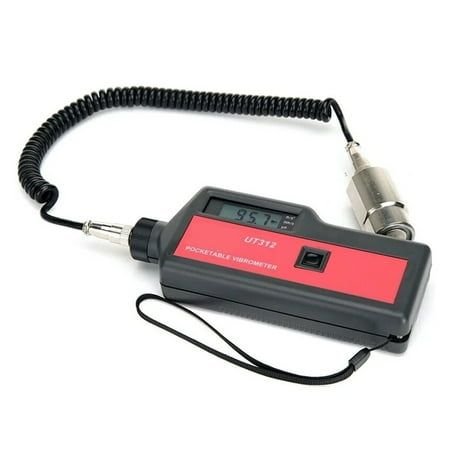
A portable hardness tester is a compact material-testing instrument designed to measure hardness away from a conventional laboratory machine.
Instead of moving a large component into a testing laboratory, operators can bring the instrument to the component. This makes portable testing especially useful for large, heavy, installed, or difficult-to-access parts.
Typische toepassingen zijn onder andere:
- Large steel components
- Smeedstukken
- Castings
- Drukvaten
- Pijpleidingen
- Gears and shafts
- Welded structures
- Warmtebehandelde onderdelen
- Heavy machinery
Een professional portable hardness tester supplier should offer more than a handheld instrument. The complete solution may include different probes, impact devices, reference blocks, software, carrying cases, chargers, cables, and technical support.
The choice of portable testing technology also matters. Leeb rebound testing, ultrasonic contact impedance, and other methods have different operating principles and application requirements.
Why Choose Portable Hardness Testing?
Testing Large Components
Large components can be difficult or expensive to transport.
A portable tester allows operators to perform measurements directly on:
- Grote smeedstukken
- Industrial shafts
- Heavy castings
- Machine frames
- Onderdelen turbine
This can reduce handling and transportation requirements.
Inspecting Fixed Equipment
Some equipment cannot realistically be removed from service simply for hardness testing.
Portable systems can be used for suitable on-site inspection applications involving:
- Pijpleidingen
- Storage equipment
- Welded structures
- Industrial machinery
- Installed components
The testing procedure still needs to account for surface condition, component geometry, and method-specific limitations.
Improving Field Inspection Efficiency
Portable equipment can make field inspections more convenient.
A typical system may allow an inspector to:
- Prepare the test area.
- Select the appropriate probe.
- Verify the instrument.
- Perform multiple measurements.
- Review the readings.
- Store or export the data.
For maintenance and quality-control teams, this workflow can save considerable time.
Portable Hardness Tester Technologies
Leeb Rebound Hardness Testing
Leeb testing is a widely used portable hardness-testing technology.
An impact body is propelled against the test surface, and the instrument evaluates the rebound behavior to determine hardness.
Leeb systems are useful for many large metal components.
Depending on the instrument configuration, measurements may be converted into commonly used hardness scales such as:
- HL
- HRC
- HRB
- HB
- HV
- HS
Conversion should be used appropriately for the material and application. It isn’t a universal substitute for directly measuring every hardness scale.
Ultrasonic Contact Impedance Testing
Ultrasonic contact impedance, commonly known as UCI, uses a diamond indenter and measures changes associated with the indentation process.
UCI systems can be useful for:
- Small components
- Weld zones
- Heat-affected areas
- Thin sections
- Components with limited access
Compared with some impact-based systems, UCI equipment can be advantageous when a smaller indentation is preferred.
Portable Rockwell and Other Methods
Portable versions or field-adapted systems based on other hardness methods are also available for specific applications.
The key is to match the measurement method with:
- Material
- Thickness
- Surface finish
- Component geometry
- Hardheidsbereik
- Required standard
A knowledgeable supplier should explain these limitations before recommending a system.
Materials Suitable for Portable Hardness Testing
Staal en roestvrij staal
Portable hardness testing is widely used for steel components.
Applications can include:
- Heat-treated steel
- Stainless steel
- Carbon steel
- Alloy steel
- Hardened components
Portable measurement can be particularly convenient for large shafts, gears, forgings, and machinery.
Gietijzer en smeedstukken
Large castings and forgings often present logistical challenges for laboratory testing.
Portable equipment can provide a practical inspection option when the selected method is appropriate for the component.
Surface preparation and component mass are important considerations.
Aluminium en non-ferro legeringen
Some portable instruments support aluminum and other non-ferrous alloys.
However, users should verify that the selected device and conversion relationship are appropriate for the specific material.
Welded and Heat-Treated Components
Portable testers can be useful for checking:
- Weld zones
- Heat-affected zones
- Heat-treated surfaces
- Repaired components
For weld inspection, probe access and local surface condition should be carefully considered.
What a Portable Hardness Tester Supplier Should Provide
Complete Tester Systems
A professional supplier may offer portable systems with:
- Main display unit
- Probe or impact device
- Oplaadbare batterij
- Gegevensopslag
- Hardness conversions
- USB or other data interfaces
- Carrying case
The exact configuration varies by model.
Probes and Impact Devices
Different probes may be designed for different component geometries or materials.
For Leeb systems, common impact devices include different configurations intended for particular testing conditions.
A supplier should help determine which device is appropriate rather than simply selling the most common probe.
Calibration and Reference Blocks
Portable testers should be verified using appropriate reference materials according to the relevant procedure.
Suppliers may provide:
- Hardness reference blocks
- Calibration blocks
- Verification accessories
- Certificates and documentation
Software en gegevensbeheer
Modern portable testers may include software for:
- Gegevensopslag
- Measurement records
- Test reports
- Hardness conversion
- Statistische analyse
- Data export
These functions are useful when inspectors need to document many measurements.
Spare Parts and Accessories
Useful accessories can include:
- Replacement probes
- Impact bodies
- Support rings
- Cables
- Chargers
- Protective cases
- Reference blocks
- Cleaning tools
Before purchasing, ask about the availability of these components over the expected service life.
How to Choose a Portable Hardness Tester Supplier
Measurement Performance
Review the supplier’s technical specifications carefully.
Important factors include:
- Measurement range
- Nauwkeurigheid
- Repeatability
- Resolutie
- Supported hardness scales
- Gegevensopslag
- Operating temperature
- Battery life
Avoid comparing instruments solely by the number of hardness scales shown on the screen.
Probe Selection
Probe selection can significantly affect field testing.
Consider:
- Afmetingen van de onderdelen
- Surface shape
- Test location
- Material
- Accessibility
- Surface finish
A supplier with strong application knowledge should recommend the appropriate probe configuration.
Standards and Verification
Ask which testing standards and verification procedures the equipment supports.
For example, ASTM A956/A956M is associated with Leeb hardness testing of steel, cast iron, and other metal products.
The specific standard and revision required should always be confirmed for your application.
Technical Support
Portable testing is often performed in demanding environments.
Good supplier support can include:
- Operator training
- Application guidance
- Troubleshooting
- Software support
- Verification guidance
- Maintenance assistance
Product Reliability
Field instruments need to withstand regular transportation and handling.
Look at:
- Housing design
- Probe durability
- Battery system
- Display quality
- Environmental specifications
- Protective accessories
Customization and OEM Services
Some industrial customers require customized portable systems.
Potential options include:
- Private labeling
- Customized software
- Special probes
- Data-management integration
- Custom carrying cases
- Industry-specific configurations
If OEM production is required, discuss minimum order quantities, technical specifications, documentation, and quality requirements with the supplier.
Portable Hardness Testing for Industrial Applications
Portable hardness testers are useful across many industries.
Olie en gas
Inspectors may need to evaluate suitable components and structures during maintenance or field inspections.
Stroomopwekking
Large turbine, shaft, and other metal components may benefit from portable inspection when laboratory transportation isn’t practical.
Autoproductie
Portable systems can be useful for large components, maintenance work, and process verification.
Foundries and Forging Plants
Large castings and forgings can be difficult to move, making portable testing convenient for selected applications.
Maintenance and Repair
Portable hardness testing can support inspection of components before and after repair or refurbishment.
Veelgestelde vragen
1. What should I look for in a portable hardness tester supplier?
Look for measurement expertise, suitable probe options, reliable equipment, verification support, technical service, spare parts, and clear documentation.
2. Which portable hardness tester is best for steel?
Leeb and UCI systems can both be suitable for steel, but the best choice depends on component size, surface condition, geometry, hardness range, and testing requirements.
3. Can portable hardness testers measure multiple hardness scales?
Many models can display or convert results into several scales. However, conversions depend on the material and testing method and should be used according to applicable procedures.
4. Can portable hardness testers be used on large forgings?
Yes, portable systems are commonly considered for large forgings because the component doesn’t need to be transported to a laboratory. The testing method must be suitable for the component.
5. Do portable hardness testers need reference blocks?
Appropriate reference blocks are commonly used for instrument verification. The specific requirements depend on the testing method and applicable standard.
6. Can portable hardness testers be used for weld inspection?
Some portable systems are suitable for selected weld and heat-affected-zone applications. Probe access, surface preparation, thickness, and geometry must be considered.
7. Can a portable hardness tester supplier provide spare probes?
Professional suppliers commonly offer replacement probes, impact devices, cables, batteries, reference blocks, and other accessories.
8. Is portable hardness testing as accurate as laboratory testing?
Portable and laboratory methods have different measurement principles and application limitations. When the appropriate instrument, surface preparation, verification procedure, and test method are used correctly, portable testing can provide valuable and repeatable inspection results.
Conclusie
Choosing a portable hardness tester supplier is about finding a complete field-testing solution rather than simply purchasing a handheld instrument.
A reliable supplier should understand portable hardness technologies, probe selection, material characteristics, surface preparation, verification procedures, and application-specific limitations.
Before purchasing, provide information about your material, component size, hardness range, surface condition, test location, testing frequency, and applicable standards. This allows the supplier to recommend a suitable configuration.
For large forgings, castings, pipelines, shafts, welded structures, heat-treated components, and other difficult-to-move parts, the right portable hardness testing system can make inspection faster and more convenient while reducing the need for component transportation.
A supplier that can also provide reference blocks, accessories, software, spare parts, training, and long-term technical support can offer significantly greater value over the life of the equipment.