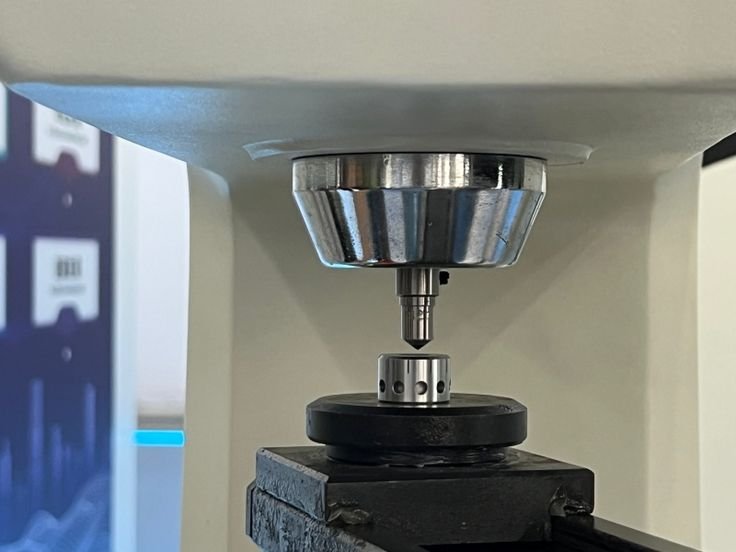
Portable Metal Hardness Tester: Complete Guide for Field Hardness Measurement

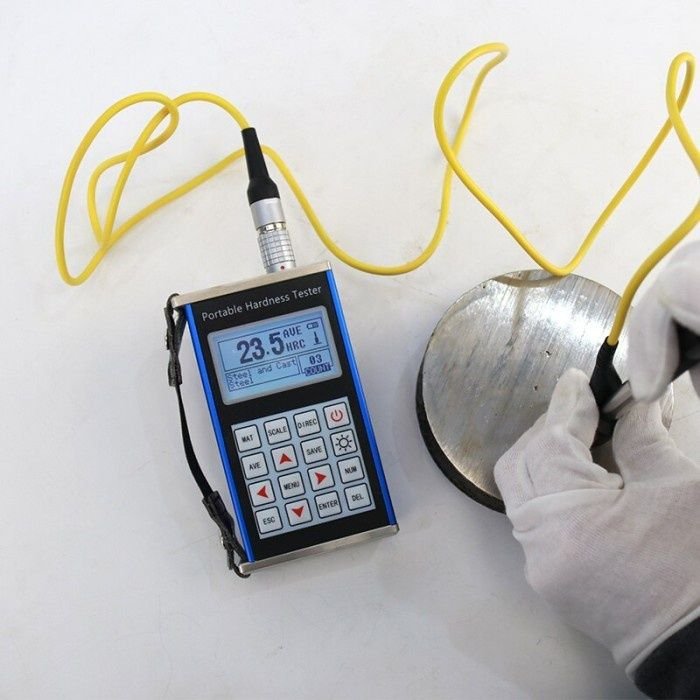
Introduction to Portable Metal Hardness Tester
A portable metal hardness tester is a compact industrial device designed for fast and accurate hardness measurement directly at the testing site. Unlike large laboratory equipment, portable testers allow inspectors and engineers to measure hardness on heavy machinery, pipelines, castings, welds, and assembled components without moving the material.
Modern industries use a portable metal hardness tester to improve efficiency, reduce inspection time, and support real-time quality control in manufacturing and maintenance environments.
Why Portable Hardness Testing Is Important
Advantages of On-Site Metal Inspection
Portable testing eliminates the need to transport large industrial components to laboratories.
Faster Industrial Quality Control
Field inspection improves maintenance speed and reduces production downtime.
Uitgaande referentie:
https://en.wikipedia.org/wiki/Hardness_testing
Extra referentie:
https://www.iso.org/
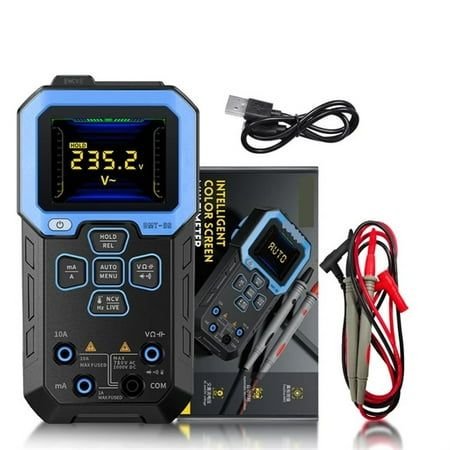
How a Portable Metal Hardness Tester Works
Impact Device and Rebound Principle
Many portable systems use rebound technology to measure hardness based on impact energy loss.
Digital Hardness Value Calculation
The tester converts measurement data into hardness scales such as HRC, HBW, HV, and HL.
Data Storage and Result Analysis
Modern devices store testing records and support digital reporting.
Interne link:
https://hardnesstests.com/leeb-hardness-tester
Common Types of Portable Metal Hardness Testers
Leeb Hardness Testers
Widely used for rapid industrial hardness inspection.
Ultrasonic Portable Hardness Testers
Suitable for thin materials and precision applications.
Portable Rockwell Hardness Testers
Designed for reliable field hardness measurement.
Wireless Digital Hardness Testers
Modern systems support Bluetooth and mobile data transfer.
Interne link:
https://hardnesstests.com/portable-hardness-tester
Veel geteste metalen
Koolstofstaal
Commonly tested in manufacturing and maintenance industries.
Roestvrij staal
Requires reliable hardness verification for industrial quality control.
Aluminiumlegeringen
Portable testing supports lightweight structural inspection.
Gietijzeren en gesmede onderdelen
Used in heavy machinery and industrial casting applications.
Interne link:
https://hardnesstests.com/hardness-testing-for-steel
Key Features of Modern Portable Metal Hardness Testers
Lightweight and Compact Design
Portable systems are designed for mobility and ease of operation.
Digital Touchscreen Systems
Modern interfaces simplify hardness measurement and reporting.
Multi-schaal hardheidsconversie
Machines automatically convert hardness values into multiple scales.
Rechargeable Battery and Wireless Connectivity
Advanced models support long operating time and wireless communication.
Interne link:
https://hardnesstests.com/digital-hardness-tester
Industrial Applications of Portable Metal Hardness Tester
Pipeline Inspection
Used for field inspection of oil, gas, and industrial pipelines.
Automotive Maintenance
Supports inspection of engine parts and structural components.
Aerospace Component Inspection
Ensures reliable hardness verification for aerospace materials.
Heavy Machinery Manufacturing
Portable inspection improves maintenance efficiency for large equipment.
Interne link:
https://hardnesstests.com/hardness-testing-for-pipelines
Advantages of Using Portable Hardness Testers
- Easy on-site hardness measurement
- Snelle testsnelheid
- Lightweight and compact operation
- Reduced inspection downtime
- Suitable for large industrial components
Beperkingen en uitdagingen
- Oppervlaktevoorbereiding beïnvloedt nauwkeurigheid
- Some materials require specialized probes
- Kalibratie is essentieel voor betrouwbare resultaten
Industriestandaarden en naleving
Portable hardness testing commonly follows:
- ASTM-standaarden → https://www.astm.org/
- ISO-normen → https://www.iso.org/

Best Practices for Accurate Portable Testing
- Use calibrated portable testing equipment
- Prepare clean and stable testing surfaces
- Select suitable impact devices carefully
- Volg goedgekeurde industriële testprocedures
Aanbevolen producten en interne links
Verken verwante oplossingen:
- https://hardnesstests.com/industrial-hardness-tester
- https://hardnesstests.com/automatic-hardness-tester
- https://hardnesstests.com/hardness-testing-machine
- https://hardnesstests.com/hardness-calibration-blocks
FAQs About Portable Metal Hardness Tester
1. What is a portable metal hardness tester used for?
It measures metal hardness directly at industrial sites and field locations.
2. Which industries use portable hardness testing?
Oil and gas, automotive, aerospace, manufacturing, and maintenance industries.
3. Welke metalen kunnen worden getest?
Steel, stainless steel, aluminum, cast iron, and other industrial alloys.
4. Are portable hardness testers accurate?
Yes, modern portable systems provide reliable industrial measurement results.
5. Why is portability important?
It allows testing of large or fixed components without transportation.
6. Waarom is kalibratie nodig?
Kalibratie garandeert nauwkeurige en herhaalbare hardheidsmetingen.
Conclusie
A portable metal hardness tester is an essential solution for field hardness measurement and industrial quality control. With lightweight design, digital technology, and fast testing capability, portable systems improve inspection efficiency across a wide range of industrial applications.