




Macro Hardness Tester Ultimate Guide 30 Insights for Bulk Material Evaluation

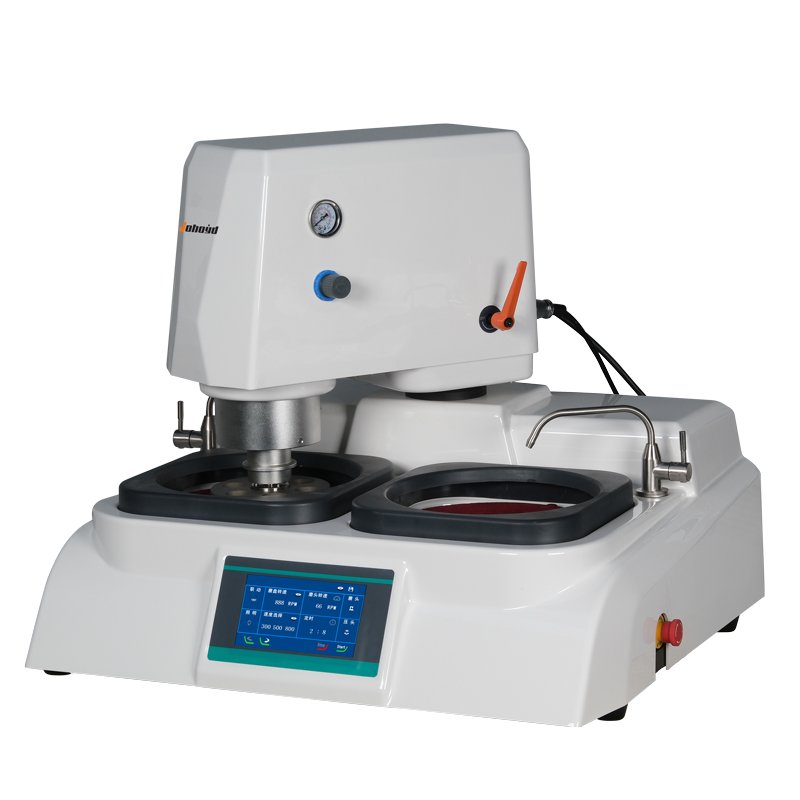
Outline for the Article on Macro Hardness Tester
| Topic Area | Detailed Coverage with LSI Keywords |
|---|---|
| Introduction to Macro Hardness Tester | macrohardness measurement |
| What Is a Macro Hardness Tester | Brinell, Rockwell, Vickers methods |
| History of Macro Hardness Testing | evolution of macrohardness testing |
| Why Macro Hardness Testing Is Important | bulk material testing, large components |
| Basic Principle of Macro Hardness Testing | indentation, load, surface measurement |
| Macro Hardness Test Procedure | step-by-step testing |
| Macrohardness Scales Explained | HB, HRC, HV |
| Brinell Macro Hardness Testing | spherical indenter method |
| Rockwell Macro Hardness Testing | conical and spherical indenters |
| Vickers Macro Hardness Testing | diamond pyramid method |
| Test Loads in Macro Hardness Testing | heavy loads, large-scale samples |
| Macro Hardness Tester Components | indenter, load system, dial/display |
| Types of Macro Hardness Testers | manual, semi-automatic, automatic |
| Manual Macro Hardness Tester | operator-controlled |
| Semi-Automatic Macro Hardness Tester | partial automation |
| Automatic Macro Hardness Tester | fully automated operation |
| Macro Hardness Testing for Metals | steel, aluminum, alloys |
| Macro Hardness Testing for Large Parts | shafts, plates, blocks |
| Macro Hardness Testing in Manufacturing | production line inspection |
| Macro Hardness Testing in Quality Control | batch testing |
| Macro Hardness Testing in R&D | material development |
| Accuracy and Repeatability | reliability in bulk testing |
| Factors Affecting Macro Hardness Test Results | surface, load, indentation size |
| Sample Preparation for Macro Hardness Testing | surface polishing, flatness |
| Standards for Macro Hardness Testing | ASTM, ISO |
| Calibration of Macro Hardness Testers | reference blocks, traceability |
| Advantages of Macro Hardness Tester | high load, bulk evaluation |
| Limitations of Macro Hardness Tester | sample size requirement |
| Macro vs Microhardness Tests | comparison |
| Choosing a Macro Hardness Tester | buyer guide |
| Maintenance and Service | long-term performance |
| Johoyd Macro Hardness Tester Solutions | brand expertise |
| Future Trends in Macro Hardness Testing | digitalization, automation |
| FAQs | common questions |
| Conclusion | summary |
Introduction
A macro hardness tester is a specialized instrument designed for evaluating the hardness of bulk materials and large components. Unlike microhardness testers, macro hardness machines use heavy loads and larger indenters, making them suitable for metals, alloys, and large industrial parts.
Macro hardness testing is vital in manufacturing, metallurgy, and quality control, ensuring material strength, durability, and compliance with engineering standards. This article provides a detailed guide on macro hardness testers, covering principles, test methods, applications, advantages, and best practices.
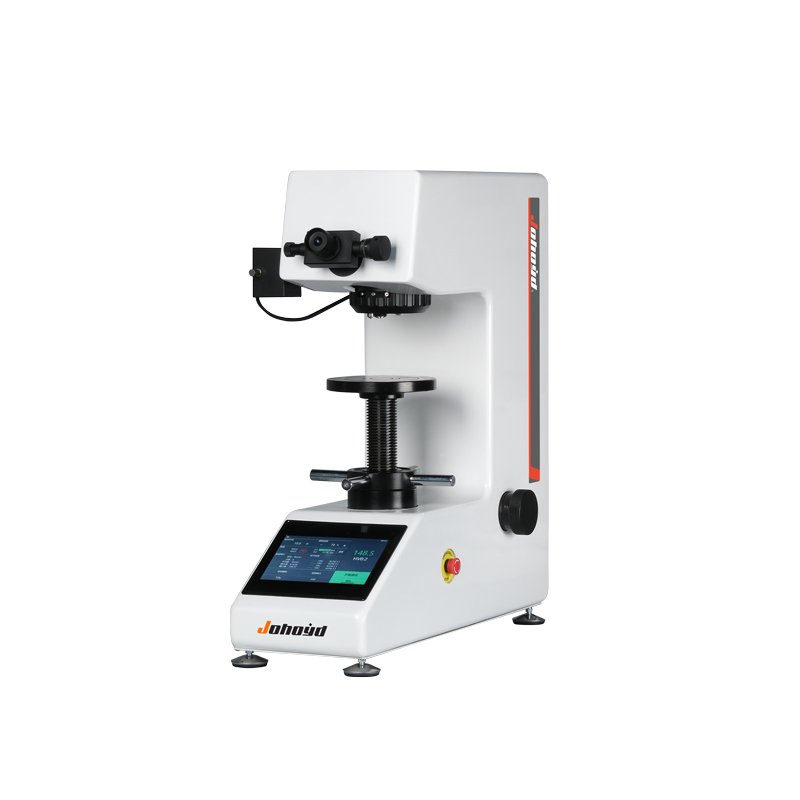
Macro Hardness Tester
A macro hardness tester measures the resistance of bulk materials to deformation under a controlled load, typically using Brinell, Rockwell, or Vickers methods.
Large-scale evaluation ensures reliable material properties.
What Is a Macro Hardness Tester
It is a device designed to perform hardness testing on large or thick materials using high loads and robust indenters.
Macro testers are essential for industrial applications.
History of Macro Hardness Testing
Macro hardness testing originated with Brinell in 1900, followed by Rockwell and Vickers, to assess bulk material properties.
Industrial growth drove testing standardization.
Why Macro Hardness Testing Is Important
Macro hardness testing is essential for evaluating bulk metals, large parts, and production batches, ensuring consistent strength and durability.
Critical for engineering reliability.
Basic Principle of Macro Hardness Testing
A large indenter is pressed into the material under heavy load. The indentation size or depth is measured to calculate hardness.
Load, material resistance, and indentation size determine hardness.
Macro Hardness Test Procedure
- Prepare and polish the sample surface.
- Place the material under the indenter.
- Apply the test load for the required dwell time.
- Measure the indentation (diameter for Brinell, depth for Rockwell).
- Calculate hardness using the relevant scale.
Consistency ensures repeatable results.
Macrohardness Scales Explained
- Brinell (HB): Spherical indenter, large area
- Rockwell (HRA, HRB, HRC): Depth-based method with conical or spherical indenter
- Vickers (HV): Diamond square pyramid for high-load testing
Each scale serves different materials and applications.
Brinell Macro Hardness Testing
Brinell uses a hardened steel or tungsten carbide ball, suitable for soft to medium-hard metals and large components.
Widely used in steel plates, castings, and aluminum.
Rockwell Macro Hardness Testing
Rockwell testers measure indentation depth using a spring-loaded cone or ball under heavy load.
Quick readings and simple operation are its advantages.
Vickers Macro Hardness Testing
Vickers macrohardness uses a diamond square pyramid and high load to evaluate metals and alloys.
Precise and versatile for laboratory and production applications.
Test Loads in Macro Hardness Testing
Heavy loads typically range from 500 kgf to 3000 kgf, depending on material and scale.
High load ensures deep, measurable indentations.
Macro Hardness Tester Components
Components include:
- Indenter (ball or diamond pyramid)
- Load system (mechanical or hydraulic)
- Dial or digital display
- Stage for sample placement
Durable construction supports industrial use.
Types of Macro Hardness Testers
- Manual: Operator-controlled load and measurement
- Semi-Automatic: Load application automated, measurement manual
- Automatic: Fully automated testing, data collection, and reporting
Automation improves efficiency in production environments.
Manual Macro Hardness Tester
Manual testers require skilled operators to apply load and measure indentations.
Reliability depends on operator technique.
Semi-Automatic Macro Hardness Tester
Combines automatic load application with manual measurement.
Speeds up testing while retaining control.
Automatic Macro Hardness Tester
Fully automated machines handle loading, indentation measurement, and data reporting.
Ideal for high-volume production and R&D labs.
Macro Hardness Testing for Metals
Used extensively for steel, aluminum, and other alloys to assess material properties.
Supports metallurgical and engineering analysis.
Macro Hardness Testing for Large Parts
Large shafts, plates, castings, and blocks are tested directly without sample extraction.
Essential for in-process quality assurance.
Macro Hardness Testing in Manufacturing
Macro hardness testers verify bulk material hardness during production to ensure compliance with engineering specifications.
Rapid feedback improves process control.
Macro Hardness Testing in Quality Control
Batch testing ensures uniformity of materials and components.
Reduces risk of failure in service.
Macro Hardness Testing in R&D
Research labs evaluate bulk material properties, heat treatment effects, and alloy performance.
Provides data for material optimization.
Accuracy and Repeatability
Calibration and proper surface preparation ensure reliable, repeatable macrohardness results.
High accuracy supports industrial decision-making.
Factors Affecting Macro Hardness Test Results
- Surface roughness
- Sample thickness
- Indenter type
- Test load
- Dwell time
Controlling variables improves reliability.
Sample Preparation for Macro Hardness Testing
Samples must have a flat, polished surface to ensure accurate indentation measurements.
Preparation prevents errors and improves reproducibility.
Standards for Macro Hardness Testing
Macro hardness testing follows standards such as ASTM E10 (Rockwell), ASTM E18, ASTM E140, and ISO 6506 (Brinell).
Compliance ensures global comparability.
Calibration of Macro Hardness Testers
Calibration uses certified reference blocks to maintain accuracy and traceability.
Routine calibration ensures industrial reliability.
Advantages of Macro Hardness Tester
- Evaluates bulk materials and large components
- Applicable for a wide range of metals
- High reliability and reproducibility
- Supports industrial, R&D, and QC applications
Limitations of Macro Hardness Tester
- Requires large, thick samples
- Cannot measure thin coatings or microstructures
- Equipment is heavy and requires maintenance
Macro vs Microhardness Tests
Macrohardness testing evaluates bulk materials; microhardness tests small areas or thin layers.
Each method is complementary depending on sample size and application.
Choosing a Macro Hardness Tester
Consider:
- Material type
- Sample size
- Desired hardness scale
- Manual vs automatic operation
- Production or laboratory use
Correct selection ensures reliable performance.
Maintenance and Service
Routine cleaning, load system checks, indenter inspection, and calibration extend machine life.
Proper care ensures accurate testing over time.
Johoyd Macro Hardness Tester Solutions
Johoyd, via https://hardnesstests.com, offers robust macro hardness testers designed for Rockwell, Brinell, and Vickers testing. Johoyd solutions combine high-load capability, durable construction, and precision measurement for industrial, R&D, and quality control applications.
Future Trends in Macro Hardness Testing
- Digital display and data storage
- Automated testing and indentation measurement
- Integration with smart manufacturing systems
- Improved accuracy for alloy and heat-treated materials
Technology continues to enhance efficiency and reliability.
Frequently Asked Questions
What is a macro hardness tester used for?
Testing bulk materials, large components, and industrial metals.
Can macrohardness testers measure coatings?
Not reliably; use microhardness testers for thin layers.
Which hardness scales are used in macro testing?
Brinell (HB), Rockwell (HRA, HRB, HRC), Vickers (HV).
Is surface preparation required?
Yes, flat and polished surfaces are necessary.
Are macrohardness testers manual or automatic?
Both types exist; automatic testers improve throughput.
Does macrohardness testing follow standards?
Yes, ASTM and ISO standards ensure global compliance.
Conclusion
The macro hardness tester is an essential instrument for evaluating the hardness of bulk metals, alloys, and large components. With high-load testing, reliable scales, and robust construction, macrohardness testing ensures material quality, strength, and compliance with industrial standards.
Through Johoyd macro hardness tester solutions, available at hardnesstests.com, manufacturers, R&D labs, and quality control teams can achieve accurate, repeatable, and standards-compliant hardness measurements. Choosing the right macro hardness tester guarantees reliability, precision, and confidence in bulk material evaluation.
Suggested Internal Links
- Microhardness Testing Machine
- Vickers Hardness Tester
Suggested Outbound Links
- ASTM E10 Rockwell Hardness Standard
- ISO 6506 Brinell Hardness Testing