
- Appareil d'essai de dureté Micro Vickers
- Appareil d'essai de dureté Vickers
- Capteur de dureté Vickers
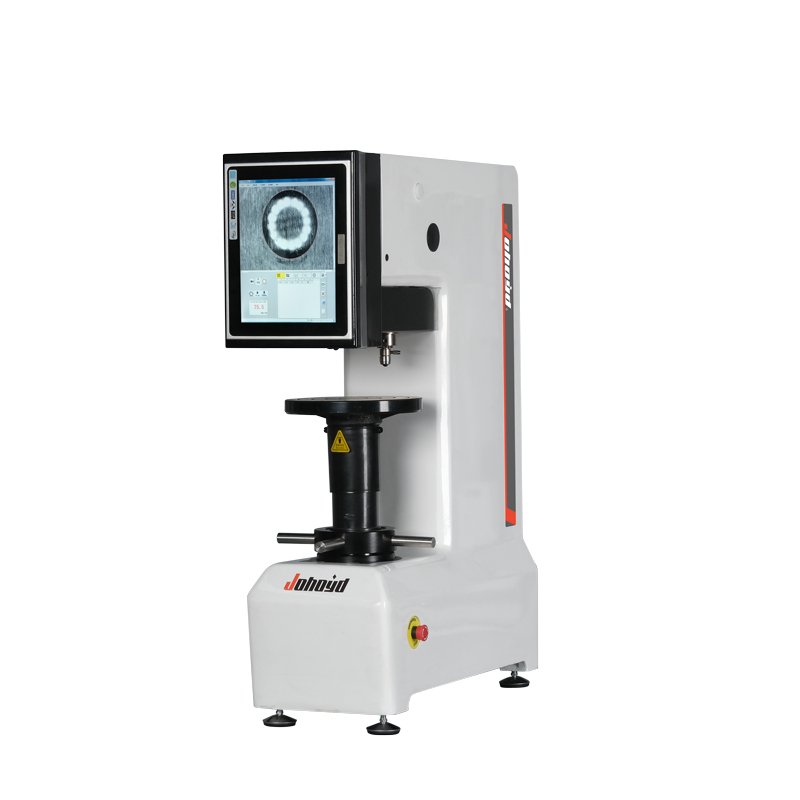
- Appareil d'essai de dureté Rockwell
- Appareil d'essai de dureté Brinell
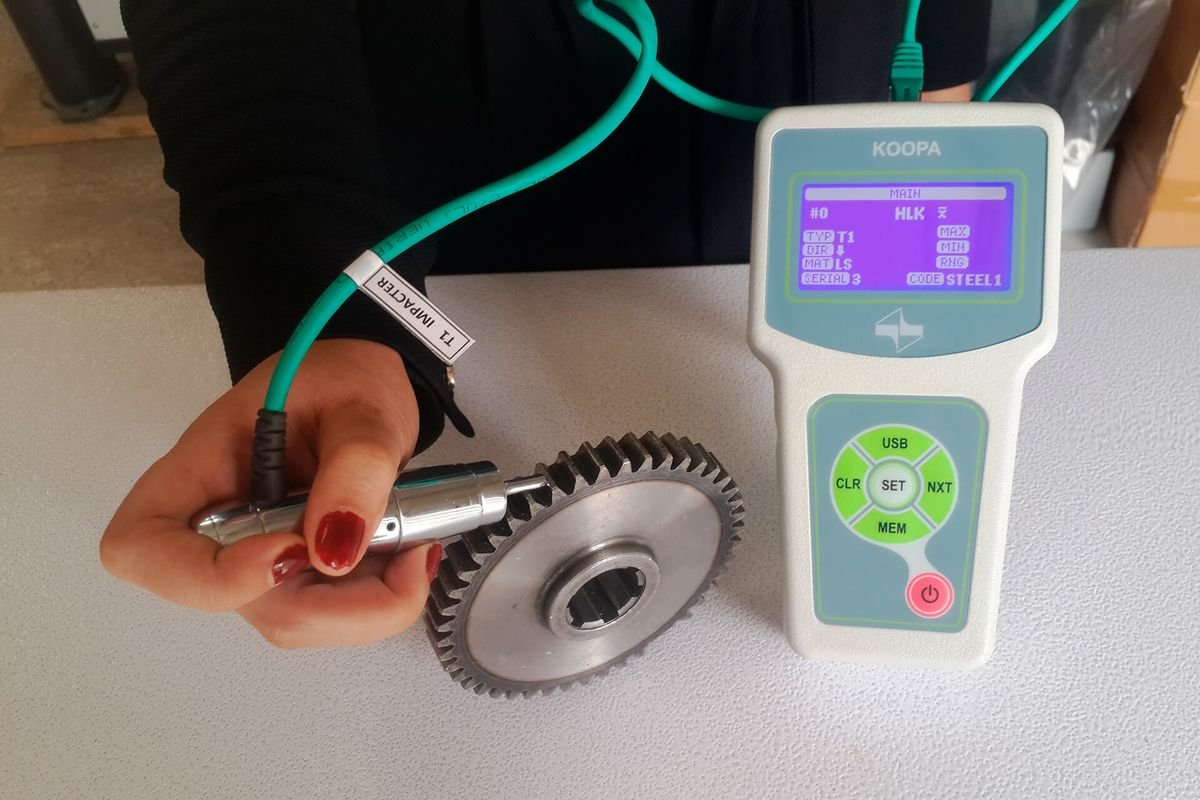
- Appareil de dureté Leeb
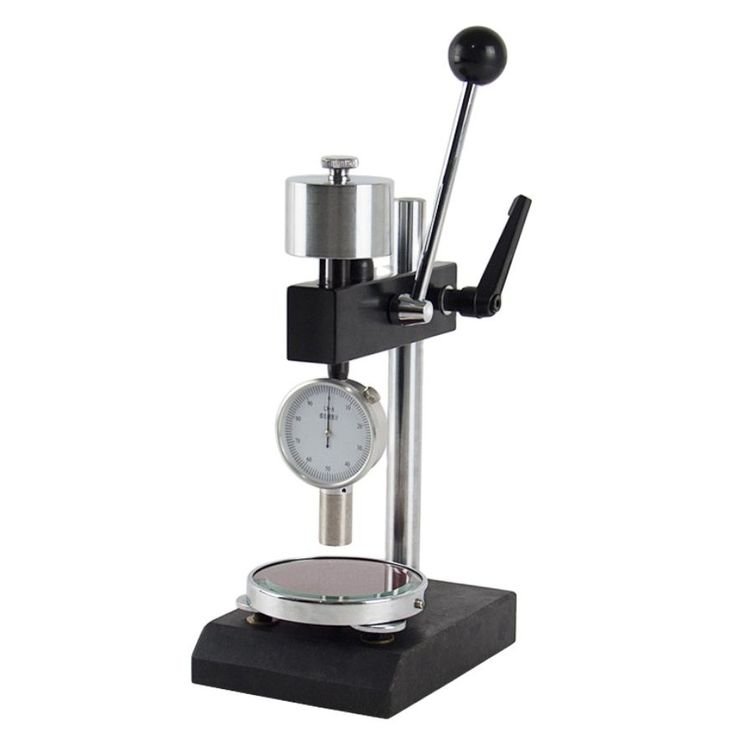
- Appareil de mesure de la dureté Shore
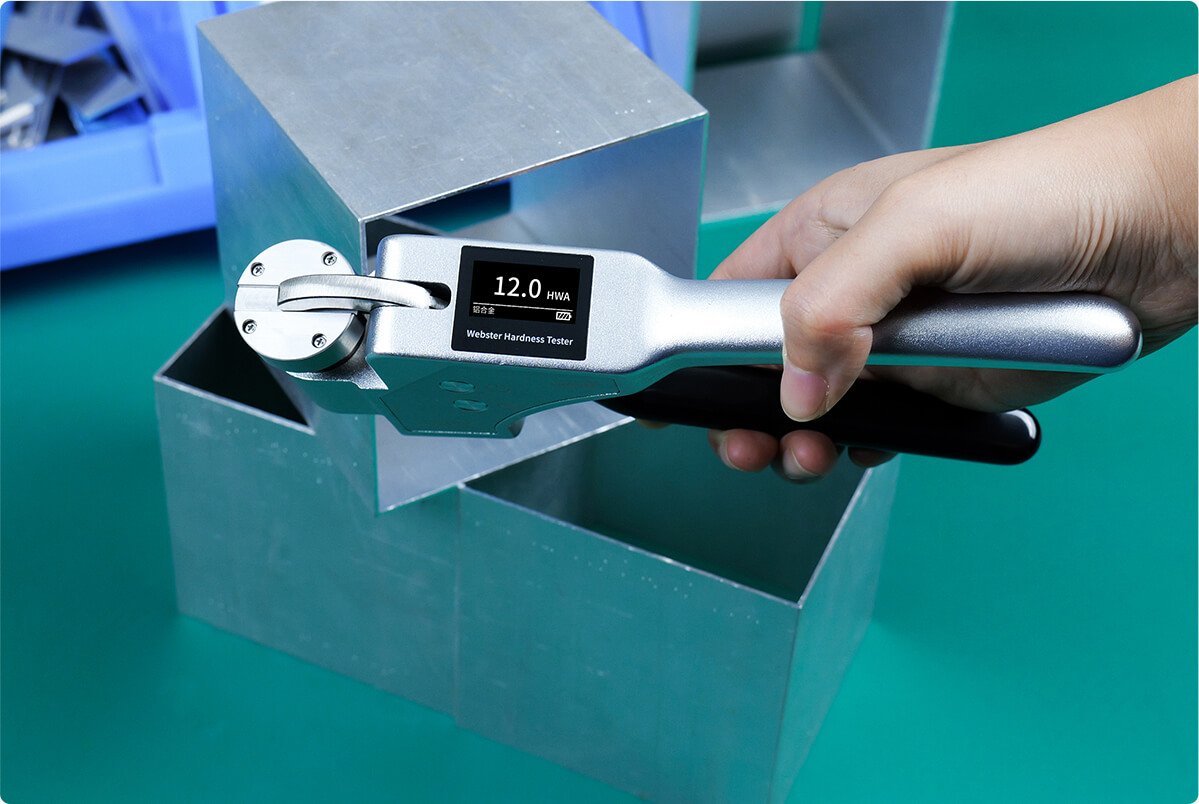
- Testeur de dureté Webster
- Appareil de mesure de la dureté Barcol
- Barre d'essai de dureté



The Ultimate Guide to Micro Vickers Hardness Testers

If you’ve ever wondered how engineers measure the hardness of ultra-thin coatings or delicate electronic components without destroying them, the answer lies in the Appareil d'essai de dureté Micro Vickers. Think of it as a surgical scalpel for material science—designed for extreme precision on a microscopic scale.
While standard hardness testers are great for big metal blocks, the Micro Vickers is the go-to tool when you need to zoom in on the details.
🔬 What Exactly Is It?
A Micro Vickers Hardness Tester is a precision instrument used to determine the hardness of materials by applying a very low test force (ranging from 1 gf to 1 kgf). It uses a diamond indenter to create a tiny, microscopic impression on the surface of a sample, allowing for the measurement of thin films, plating layers, and individual microstructures without causing structural damage.

⚙️ How It Works: The Science of Small Indentations
The principle is elegantly simple but requires immense precision. Here is the breakdown of the process:
- The Indenter: The machine uses a diamond ground into a square-based pyramid with an apex angle of 136°.
- The Press: A specific, very light force (load) is applied vertically onto the specimen surface for a set time (usually 10–15 seconds).
- The Measurement: After removing the load, the machine measures the diagonals of the resulting square-shaped indentation using a built-in optical microscope.
- The Calculation: The machine calculates the hardness value (HV) by dividing the load by the surface area of the indentation. Smaller indentations indicate harder materials.
🆚 Micro Vickers vs. Standard Vickers: What’s the Difference?
People often confuse these two. While they share the same pyramid-shaped indenter, they operate in completely different weight classes.
| Feature | Micro Vickers | Standard Vickers |
|---|---|---|
| Test Force | 1 gf – 1 kgf (Light Touch) | 1 kgf – 120 kgf (Heavy Duty) |
| Magnification | High Power (400x – 1000x) | Low Power (100x – 200x) |
| Meilleur pour | Thin films, coatings, brittle ceramics | Thick metals, forgings, large parts |
| Damage Level | Virtually Non-Destructive | Destructive (Deep indentations) |
The Takeaway: Use Micro Vickers for fragile samples like semiconductor wafers or gold plating. Use Standard Vickers for heavy-duty steel gears or engine blocks.
🏭 Where Is It Used?
Because it is gentle yet precise, this tool is indispensable in high-tech manufacturing:
- Electronics & Semiconductors: Measuring the hardness of silicon wafers, gold wire bonds, and solder joints.
- Surface Engineering: Checking the quality of chrome plating, nitriding, or carburizing layers on tools and molds.
- Métallurgie: Analyzing the hardness of specific phases (like martensite vs. ferrite) within a metal’s grain structure.
- Ceramics & Glass: Testing brittle materials where large forces would cause cracking.
🛠️ Quick Operation Checklist
Running a test requires a steady hand and a clean environment. Here is the typical workflow:
- Preparation: The sample surface must be mirror-polished (roughness Ra ≤ 0.1 μm) because scratches can distort the tiny indentation.
- Focus: Place the sample on the stage and use the 10x objective lens to bring the surface into sharp focus.
- Indent: Switch to the indenter position and press start. The machine automatically applies the load and retracts.
- Measure: Rotate back to the high-power objective lens (usually 40x) to view the indentation.
- Calculate: Align the crosshairs with the corners of the square indentation. Modern digital testers do the math for you instantly.
🌟 Leading Brands in the Market
When investing in precision equipment, brand reputation matters for calibration and service. Here are the top players globally:
- Wilson (Instron): The gold standard from the USA, known for ultimate reliability in research labs.
- Mitutoyo: Japanese precision engineering, excellent for shop-floor integration.
- INNOVATEST: European leader, famous for robust automated systems.
- Buehler: Highly regarded for materials preparation and analysis.
- ZwickRoell: German engineering, offering highly advanced testing solutions.
💡 Pro Tips for Better Results
- Watch the Vibration: Because the loads are so small (sometimes just 10 grams), even a person leaning on the table can ruin a reading. Ensure the machine is on a solid, vibration-free foundation.
- Mind the Edges: Never test closer than 2.5 times the diagonal length of the indentation to the edge of the sample, or the material might bulge outward, skewing results.