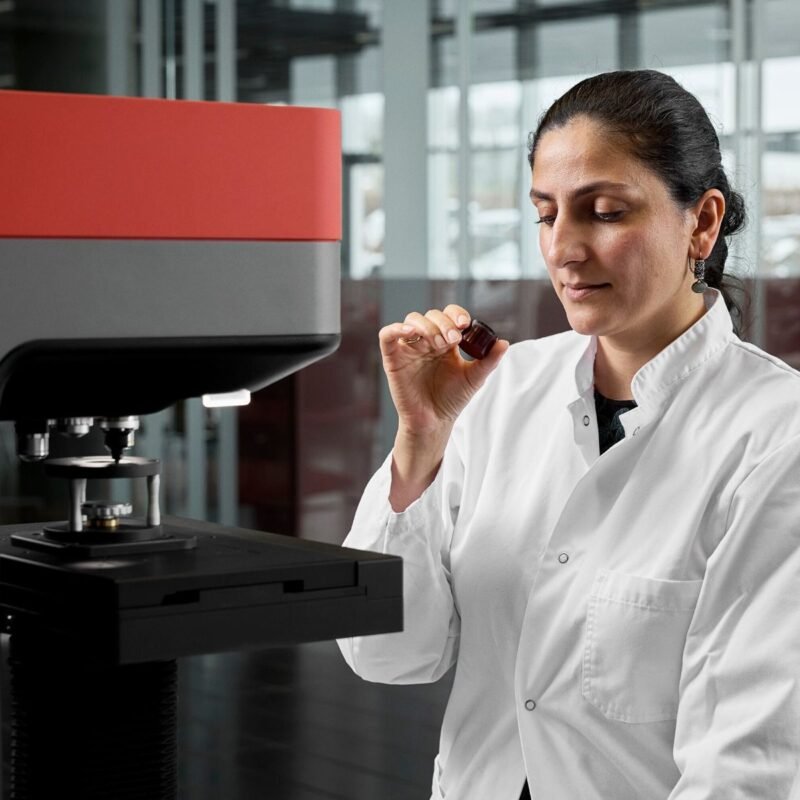
- Appareil d'essai de dureté Micro Vickers
- Appareil d'essai de dureté Vickers
- Capteur de dureté Vickers
- Appareil d'essai de dureté Rockwell
- Appareil d'essai de dureté Brinell
- Appareil de dureté Leeb
- Appareil de mesure de la dureté Shore
- Testeur de dureté Webster
- Appareil de mesure de la dureté Barcol
- Barre d'essai de dureté



Duromètre métallographique : guide complet pour l'analyse de la microstructure


Introduction to Metallographic Hardness Tester
A metallographic hardness tester is a specialized laboratory instrument used to measure hardness at the microstructural level of materials. Unlike standard hardness testing equipment, this system is designed to analyze small regions such as grain boundaries, phases, and coatings.
In advanced material science and industrial research, a metallographic hardness tester plays a crucial role in understanding material behavior, ensuring product reliability, and supporting innovation.
What Is a Metallographic Hardness Tester
Définition et objectif
A metallographic hardness tester is a precision device used to determine hardness in microscopic areas of a material, often combined with optical imaging systems.
Role in Material Science
In metallurgy, understanding microstructure is essential. A testeur de dureté allows engineers to evaluate localized properties that affect overall material performance.
📎 Outbound reference:
https://en.wikipedia.org/wiki/Hardness
📎 Additional reference:
https://www.iso.org/
How a Metallographic Hardness Tester Works
Metallographic Hardness Tester Working Principles
A testeur de dureté operates by applying very small loads through a diamond indenter and measuring the resulting indentation using a microscope.
Micro Indentation Techniques
These techniques enable testing of very small areas without affecting surrounding material.
Vickers and Knoop Methods
Both methods are widely used for micro hardness testing, providing accurate and repeatable results for metallographic analysis.
Types of Metallographic Hardness Tester
Testeur de dureté Vickers
Commonly used for precise hardness measurement across a wide range of materials.
Knoop Hardness Tester
Ideal for thin layers and brittle materials.
Micro Hardness Metallographic Systems
Designed for detailed microstructure analysis.
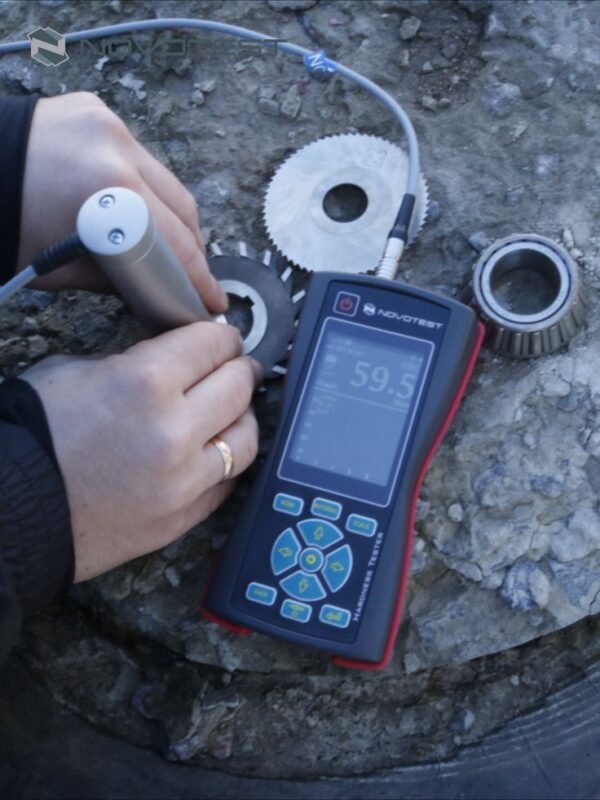
Automated Metallographic Hardness Tester
Advanced systems offer automated measurement and reporting functions.
👉 Internal link:
https://hardnesstests.com/ultrasonic-hardness-tester
Key Features of Hardness Tester
High Precision Measurement
A testeur de dureté must provide extremely accurate readings at micro levels.
Microscopic Imaging Integration
Integrated microscopes allow detailed observation of indentation and material structure.
Data Analysis Capabilities
Modern systems include software for advanced data processing and reporting.
Applications of Hardness Tester
Metallurgical Research
Used to study material properties at the microstructural level.
Analyse des défaillances
Helps identify causes of material failure by examining localized hardness variations.
Quality Control in Manufacturing
Ensures consistency in high-performance materials.
👉 Internal link:
https://hardnesstests.com/laboratory-hardness-tester
Advantages of Hardness Tester
- Extremely high precision
- Suitable for micro-scale analysis
- Supports advanced material research
- Non-destructive when used correctly
Limites et défis
A metallographic hardness tester may require:
- Skilled operation
- Proper sample preparation
- Higher investment cost
How to Choose a Metallographic Hardness Tester
Material Structure Requirements
Different materials require different testing approaches.
Testing Accuracy Needs
High-precision applications require advanced systems.
Budget and Technical Support
Choose reliable suppliers with strong support services.
Maintenance and Calibration of Metallographic Hardness Tester
- Perform regular calibration
- Maintain optical components
- Clean indenters carefully
- Follow manufacturer guidelines
Normes et conformité de l'industrie
Most systems comply with:
- ASTM → https://www.astm.org/
- ISO → https://www.iso.org/
Best Practices for Using Hardness Tester
- Prepare polished samples
- Use correct load settings
- Avoid contamination
- Take multiple measurements
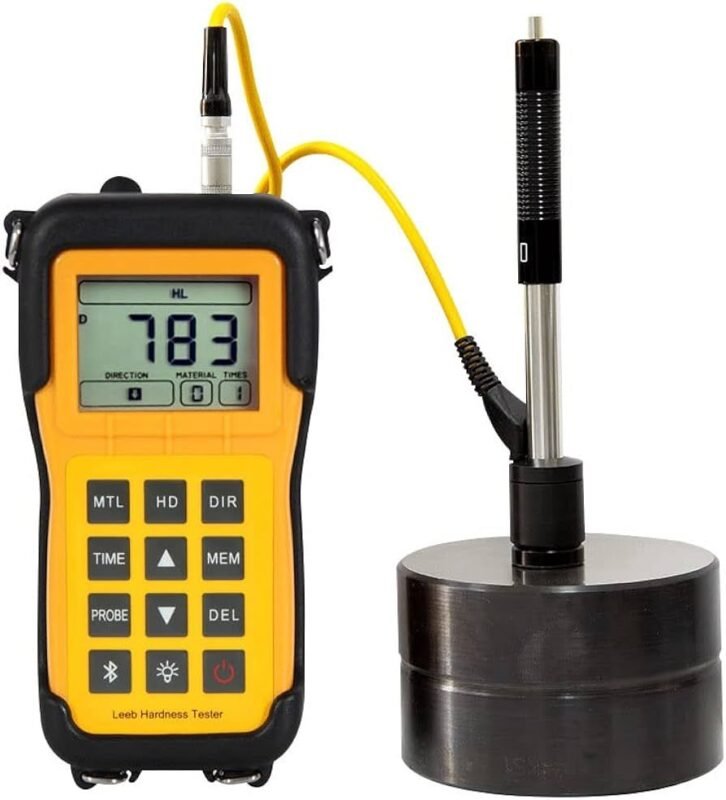
Recommended Products and Internal Links
Explore professional solutions:
- https://hardnesstests.com/laboratory-hardness-tester
- https://hardnesstests.com/ultrasonic-hardness-tester
- https://hardnesstests.com/portable-hardness-tester-equipment
- https://hardnesstests.com/leeb-hardness-tester
FAQs About Metallographic Hardness Tester
1. What is a hardness tester used for?
It measures hardness at the microstructural level of materials.
2. Which method is most accurate?
Vickers and Knoop methods are commonly used.
3. Can it test thin coatings?
Yes, it is ideal for thin layers and small regions.
4. Is calibration necessary?
Oui, un étalonnage régulier garantit des résultats précis.
5. What industries use it most?
Metallurgy, research, and advanced manufacturing.
6. Is sample preparation required?
Yes, polished surfaces are necessary for accurate testing.
Conclusion
A testeur de dureté is an essential tool for advanced material analysis. Its ability to measure hardness at the micro level makes it invaluable for research, quality control, and industrial innovation.