- Appareil d'essai de dureté Micro Vickers
- Appareil d'essai de dureté Vickers
- Capteur de dureté Vickers
- Appareil d'essai de dureté Rockwell
- Appareil d'essai de dureté Brinell
- Appareil de dureté Leeb
- Appareil de mesure de la dureté Shore
- Testeur de dureté Webster
- Appareil de mesure de la dureté Barcol
- Barre d'essai de dureté



Duromètre Brinell pour métaux : 15 avantages majeurs pour une évaluation précise des matériaux


Plan de l'article
| Niveau de titre | Sujet |
|---|---|
| H1 | Brinell Hardness Tester for Metal |
| H2 | Introduction to Brinell Hardness Testing for Metal |
| H3 | What Is a Brinell Hardness Tester for Metal |
| H3 | Importance in Metal Testing |
| H2 | Working Principle of Brinell Hardness Tester for Metal |
| H3 | Procédé d'indentation |
| H3 | Hardness Calculation Method |
| H2 | Key Components of Brinell Hardness Tester for Metal |
| H3 | Bille de pénétration |
| H3 | Système d'application des charges |
| H3 | Système de mesure optique |
| H2 | Types of Brinell Hardness Testers for Metal |
| H3 | Portable Testers |
| H3 | Bench-Type Testers |
| H3 | Automatic Brinell Testers |
| H2 | Metals Suitable for Brinell Testing |
| H3 | Steel and Alloys |
| H3 | Fonte |
| H3 | Non-Ferrous Metals |
| H2 | Advantages of Brinell Hardness Tester for Metal |
| H3 | Accurate for Large-Grain Metals |
| H3 | Suitable for Rough Surfaces |
| H3 | Reliable and Repeatable Results |
| H2 | Applications of Brinell Hardness Tester for Metal |
| H3 | Manufacturing Industry |
| H3 | Fonderies et forge |
| H3 | Heavy Engineering |
| H2 | Comparaison avec d'autres méthodes d'essai de dureté |
| H3 | Brinell contre Rockwell |
| H3 | Brinell contre Vickers |
| H2 | How to Choose the Best Brinell Hardness Tester for Metal |
| H3 | Plage de charge |
| H3 | Accuracy and Resolution |
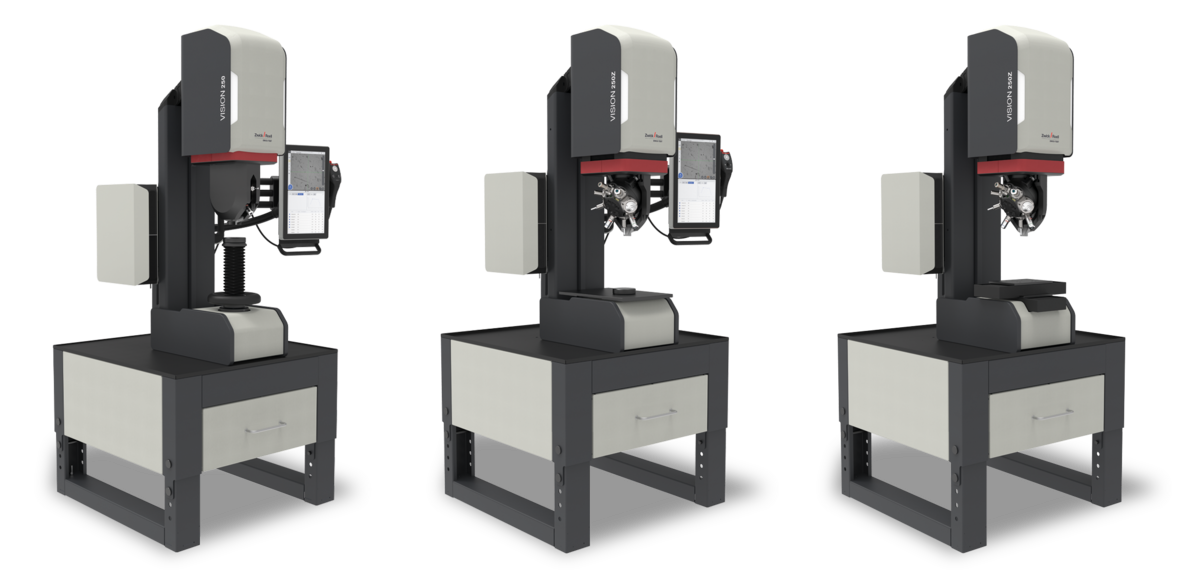
| H3 | Caractéristiques de l'automatisation |
| H2 | Maintenance et étalonnage |
| H2 | Future Trends in Brinell Hardness Testing |
| H2 | Questions fréquemment posées |
| H2 | Conclusion |
Brinell Hardness Tester for Metal: Complete Guide to Precision Hardness Measurement
A brinell hardness tester for metal is a specialized device used to measure the hardness of metallic materials by creating an indentation on the surface and analyzing its size. This method is especially effective for metals with coarse grain structures or uneven surfaces, where other testing methods may not provide reliable results.
The testing method is based on the Brinell Hardness Test, which uses a hardened ball indenter and a defined load to determine the hardness value.

Introduction to Brinell Hardness Testing for Metal
Brinell hardness testing is widely used in industries dealing with metals and alloys.
What Is a Brinell Hardness Tester for Metal
A brinell hardness tester for metal is an instrument designed to measure the hardness of metals by applying a controlled force through a spherical indenter and measuring the resulting indentation.
Les principales caractéristiques sont les suivantes :
- Large indentation for better averaging of material properties
- Suitable for soft to medium-hard metals
- Précision et répétabilité élevées
Importance in Metal Testing
This tester is essential for:
- Quality control in manufacturing
- Material verification in engineering
- Ensuring product durability and safety
- Soutenir la recherche et le développement
Working Principle of Brinell Hardness Tester for Metal ⚙️
Procédé d'indentation
A hardened steel or tungsten carbide ball is pressed into the metal surface under a specified load, typically ranging from 500 kgf to 3000 kgf.
After a set dwell time, the load is removed, leaving a circular indentation.
Hardness Calculation Method
The diameter of the indentation is measured, and the hardness value is calculated as HB (indice de dureté Brinell).
Key Components of Brinell Hardness Tester for Metal
Bille de pénétration
A hardened ball used to create the indentation on the metal surface.
Système d'application des charges
Applies force using hydraulic, mechanical, or electronic mechanisms.
Système de mesure optique
Measures the diameter of the indentation accurately.
Types of Brinell Hardness Testers for Metal
Portable Testers
Used for on-site testing of large metal components.
Bench-Type Testers
Stationary machines used in laboratories and workshops.
Automatic Brinell Testers
Advanced systems that automate testing and measurement processes.
Metals Suitable for Brinell Testing 🏗️
Steel and Alloys
Used for structural and engineering applications.
Fonte
Ideal for coarse-grained materials.
Non-Ferrous Metals
Includes aluminum, copper, and brass.
Advantages of Brinell Hardness Tester for Metal 🌟
Accurate for Large-Grain Metals
Provides reliable results for heterogeneous materials.
Suitable for Rough Surfaces
Does not require highly polished surfaces.
Reliable and Repeatable Results
Ensures consistency in industrial testing.
Applications of Brinell Hardness Tester for Metal 🏭
Manufacturing Industry
Used for testing metal components and products.
Fonderies et forge
Ensures quality of cast and forged parts.
Heavy Engineering
Used in large structural components and machinery.
Comparaison avec d'autres méthodes d'essai de dureté
Brinell contre Rockwell
The Rockwell Hardness Test measures depth, while Brinell measures indentation diameter.
Brinell contre Vickers
The Vickers Hardness Test uses a diamond indenter for higher precision and smaller samples.
How to Choose the Best Brinell Hardness Tester for Metal 🔍
Plage de charge
Select a tester that supports required load levels.
Accuracy and Resolution
Ensure high precision measurement systems.
Caractéristiques de l'automatisation
Digital and automatic systems improve efficiency.
Maintenance and Calibration 🛠️
Entretien courant
- Clean the indenter and test surface
- Inspect mechanical parts
- Veillez à ce que l'alignement soit correct
Calibrage
Regular calibration using standard blocks ensures accuracy.
Future Trends in Brinell Hardness Testing 🚀
Digital and Smart Systems
Integration with software for data analysis.
Automation and Robotics
Improved testing efficiency and consistency.
Portable Advanced Devices
More accurate and user-friendly field testing tools.
Industry 4.0 Integration
Connectivity with smart manufacturing systems.
Questions fréquemment posées
What is a Brinell hardness tester for metal?
It is a device used to measure the hardness of metals using the Brinell method.
What metals can be tested?
Steel, cast iron, aluminum, copper, and alloys.
Quelle est l'unité de mesure ?
HB (Brinell Hardness Number).
Why is Brinell testing used?
For accurate results on coarse and uneven materials.
L'étalonnage est-il nécessaire ?
Yes, regular calibration ensures reliable results.
Can it be used on-site?
Yes, portable testers are available for field applications.
Conclusion
A brinell hardness tester for metal is an essential tool for evaluating the hardness and quality of metallic materials. Based on the Brinell Hardness Test, it provides accurate and reliable results for a wide range of industrial applications.
With advancements in automation, digital technology, and smart manufacturing integration, Brinell hardness testers continue to evolve, offering improved efficiency and precision for modern material testing needs. 🔍