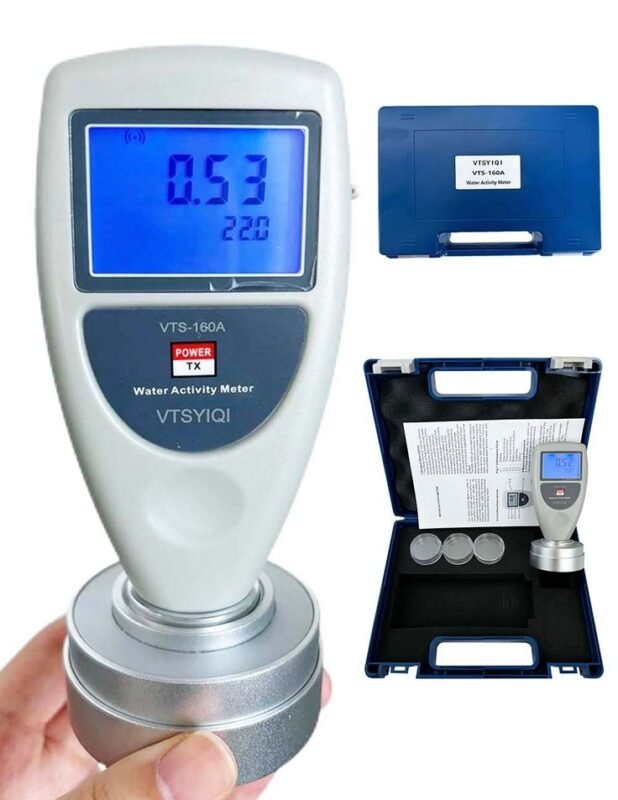
Durómetro portátil: Guía definitiva para el ensayo de dureza de metales in situ

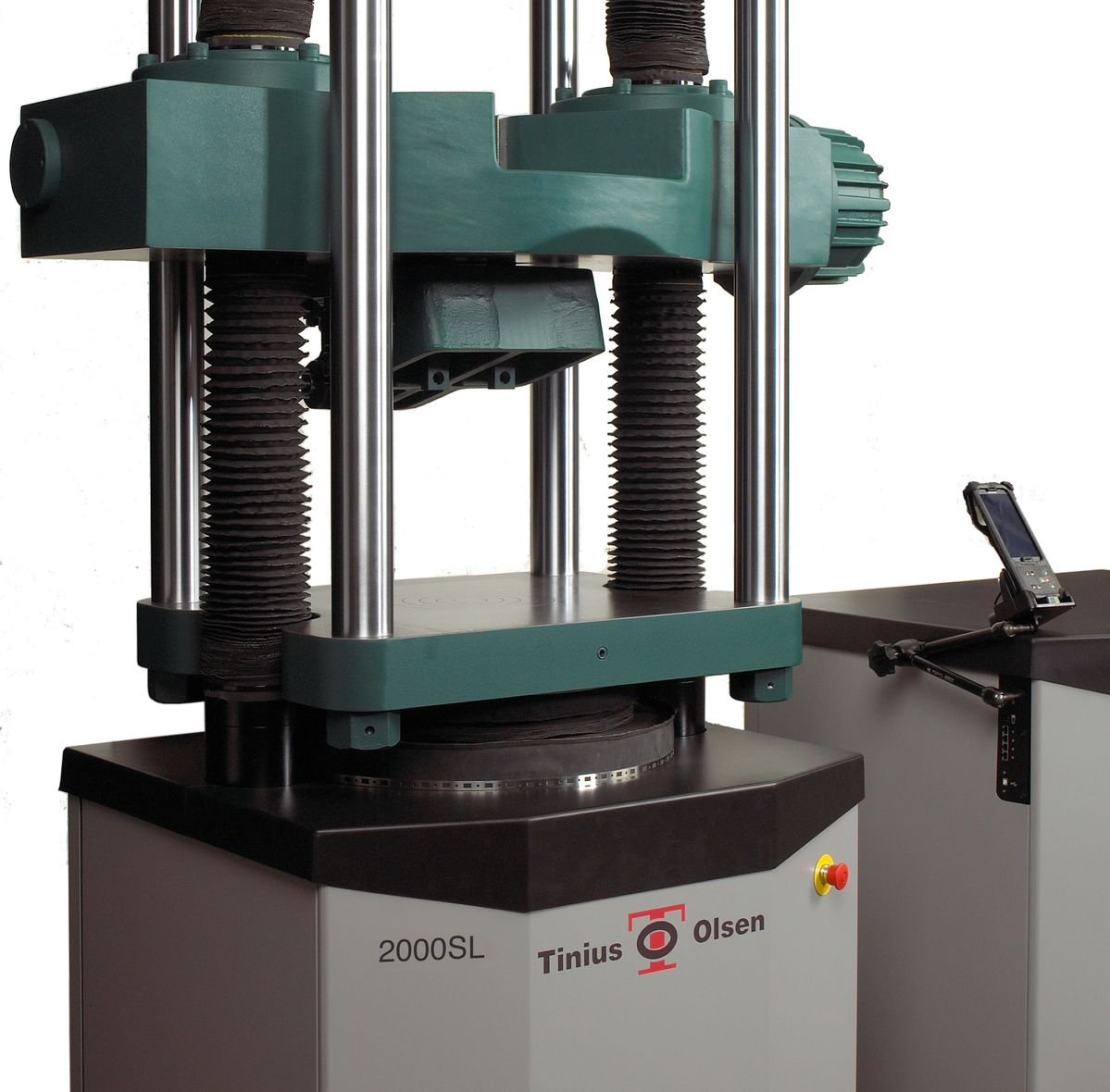
Introduction to Portable Hardness Testing
A portable hardness tester is an essential tool for engineers, inspectors, and maintenance professionals who need accurate hardness measurements outside a laboratory environment. Unlike traditional benchtop testing machines, portable devices allow hardness testing to be performed directly on large, heavy, or installed components without cutting samples or transporting equipment.
Hardness testing plays a critical role in determining material quality, wear resistance, heat treatment effectiveness, and mechanical performance. Portable testing technology makes these evaluations faster and more convenient, especially in industries where components cannot be easily moved.
Modern portable hardness testers combine advanced electronics, digital displays, and automatic hardness conversion capabilities, providing reliable measurements in workshops, production facilities, construction sites, and field inspection environments.
What Is a Portable Hardness Tester?
Definición y finalidad
A portable hardness tester is a compact, handheld instrument designed to measure the hardness of metals and other engineering materials directly at the inspection location. These devices are engineered for mobility while maintaining a high level of accuracy and repeatability.
Common uses include:
- Field inspections
- Equipment maintenance
- Incoming material verification
- Weld inspections
- Verificación del tratamiento térmico
- Quality assurance testing
How Portable Hardness Testing Works
Most portable hardness testers use either rebound or ultrasonic measurement principles.
The testing process typically involves:
- Positioning the probe on the material surface
- Applying the test force or impact
- Measuring the material response
- Cálculo del valor de dureza
- Displaying the result instantly
Many systems automatically store measurements for later analysis and reporting.
Escalas de dureza habituales admitidas
Modern portable devices often support multiple hardness scales, including:
- HRC (Rockwell C)
- HRB (Rockwell B)
- HBW (Brinell)
- HV (Vickers)
- HS (Shore)
- HL (Leeb)
Automatic conversion between scales improves testing flexibility.
Why Portable Hardness Testing Is Important
Mobility and Flexibility
Large industrial components are often difficult or impossible to transport to a laboratory. Portable testing allows measurements to be taken directly at the worksite.
Algunos ejemplos son:
- Tuberías
- Recipientes a presión
- Turbine shafts
- Heavy machinery
- Structural steel components
Reduced Inspection Time
Portable equipment eliminates transportation delays and allows immediate decision-making during inspections.
Cost-Effective Field Testing
On-site testing reduces downtime, labor costs, and the need for destructive sampling.
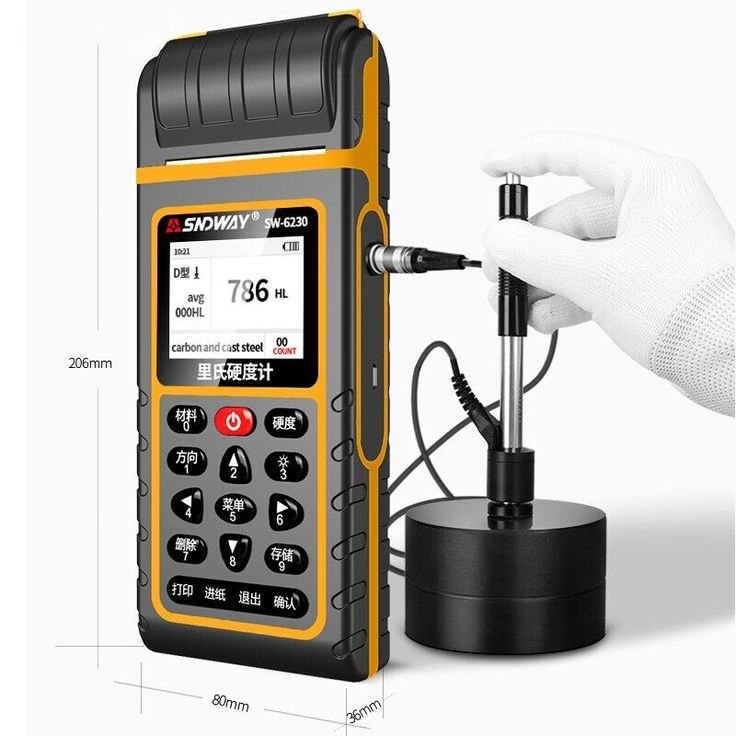
Types of Portable Hardness Tester Technologies
Leeb Rebound Hardness Testers
Leeb testers are among the most widely used portable hardness testing devices.
Entre sus principales ventajas figuran:
- Pruebas rápidas
- Funcionamiento sencillo
- Wide measurement range
- Suitable for large metal components
The test measures the rebound velocity of an impact body striking the material surface.
Ultrasonic Contact Impedance (UCI) Testers
UCI technology uses ultrasonic vibrations and a diamond indenter to measure hardness.
Los beneficios incluyen:
- Alta precisión
- Small indentation size
- Adecuado para materiales finos
- Effective for finished surfaces
Portable Rockwell Testers
Portable Rockwell systems use controlled loading mechanisms to provide direct hardness measurements.
These devices are often used when laboratory-grade accuracy is required in the field.
Combined Multi-Method Testers
Some advanced systems combine multiple testing technologies, allowing users to select the most appropriate method for specific applications.
Key Features of Modern Portable Hardness Tester Systems
Lightweight Design
Portable testers are designed for easy transportation and operation in challenging environments.
Digital Display and Data Storage
Modern systems often include:
- Large LCD screens
- Memoria interna
- Análisis estadístico
- Measurement history storage
Estas funciones mejoran la productividad y la trazabilidad.
Wireless Connectivity
Advanced devices may support:
- Bluetooth communication
- USB data transfer
- Mobile app integration
- Cloud-based reporting
These capabilities simplify documentation and quality management.
Multi-Scale Conversion Functions
Automatic conversion between hardness scales allows users to work with different industry specifications without manual calculations.
Materiales probados habitualmente
Acero al carbono y acero aleado
Portable hardness testing is widely used to verify heat treatment quality and mechanical performance.
Acero inoxidable
Inspection helps ensure proper material properties and manufacturing consistency.
Hierro fundido
Portable devices are commonly used to evaluate large cast components and industrial machinery.
Aluminio y metales no férreos
Lightweight materials frequently require hardness verification in aerospace and transportation applications.
Aplicaciones industriales
Industria del petróleo y el gas
Portable hardness testing is commonly used for:
- Tuberías
- Recipientes a presión
- Storage tanks
- Offshore structures
Power Generation
Las aplicaciones incluyen:
- Turbine components
- Boilers
- Rotors
- Generator shafts
Manufacturing and Fabrication
Production facilities use portable testers for incoming inspections and process verification.
Aerospace and Transportation
Hardness testing supports quality control of critical structural and mechanical components.
Advantages of Using a Portable Hardness Tester
Modern portable systems provide numerous benefits:
- On-site testing capability
- Fast results
- Reduced downtime
- Non-destructive evaluation
- Multi-scale measurement
- Fácil manejo
- Improved productivity
These advantages make portable hardness testing an essential tool for field inspections and maintenance programs.
Factors to Consider Before Buying
Método de ensayo
Choose the technology best suited to your application:
- Leeb for large components
- UCI for precision testing
- Portable Rockwell for direct measurements
Tipos de materiales
Different materials may require specific testing methods or probes.
Requisitos de precisión
Laboratory-level accuracy may require more advanced instruments.
Data Management Features
Evalúa:
- Capacidad de almacenamiento
- Reporting capabilities
- Opciones de conectividad
- Software compatibility
Presupuesto y valor a largo plazo
Considéralo:
- Initial investment
- Requisitos de calibración
- Gastos de mantenimiento
- Training needs
Buenas prácticas de mantenimiento y calibración
To maintain reliable performance:
- Verify accuracy using certified test blocks
- Keep probes clean
- Protect equipment during transport
- Siga los calendarios de calibración del fabricante
- Store devices properly when not in use
Regular maintenance helps ensure consistent and dependable results.

Normas y cumplimiento de la industria
Portable hardness testing equipment commonly follows internationally recognized standards, including:
- ASTM A956 (Leeb Testing)
- ASTM E140 (Hardness Conversion)
- ASTM E110 (Portable Hardness Testing)
- ISO 16859
- ISO 6506
- ISO 6507
- ISO 6508
For official standards information:
Compliance ensures reliable, repeatable, and globally accepted testing results.
Preguntas frecuentes
1. What is a portable hardness tester used for?
It is used to measure material hardness directly on-site without transporting samples to a laboratory.
2. Which industries use portable hardness testers?
Oil and gas, manufacturing, power generation, aerospace, transportation, and heavy industry.
3. What is the most common portable hardness testing method?
Leeb rebound testing is one of the most widely used portable hardness testing methods.
4. Can portable testers measure multiple hardness scales?
Yes. Most modern devices support multiple scales and automatic conversions.
5. Are portable hardness testers accurate?
High-quality portable testers provide excellent accuracy when properly calibrated and used according to standards.
6. ¿Por qué es importante el calibrado?
Calibration ensures reliable measurements and compliance with industry requirements.
Conclusión
A portable hardness tester is a powerful solution for fast, accurate, and non-destructive hardness measurements in field environments. By enabling direct testing on large or installed components, these instruments help organizations improve inspection efficiency, reduce downtime, and maintain quality standards.
Whether used in manufacturing, oil and gas, power generation, aerospace, or maintenance operations, portable hardness testing technology provides the flexibility and reliability needed for modern material evaluation. Choosing the right tester and maintaining proper calibration practices can significantly enhance quality assurance and operational performance.