




¿Qué es el ensayo de dureza? Comprender la resistencia y la calidad de los materiales


Introducción a los ensayos de dureza
Si alguna vez te has preguntado qué es el ensayo de dureza, no está solo. El ensayo de dureza es uno de los métodos más utilizados para evaluar las propiedades mecánicas de los metales y otros materiales. Ayuda a fabricantes, ingenieros e inspectores de calidad a determinar la resistencia de un material a la indentación, el rayado, la abrasión o la deformación.
Desde los componentes de automoción y las piezas aeroespaciales hasta la maquinaria industrial y los productos de consumo, los ensayos de dureza desempeñan un papel fundamental para garantizar que los materiales cumplen los requisitos de rendimiento y durabilidad. Sin una medición precisa de la dureza, los fabricantes tendrían dificultades para verificar la calidad del producto, mantener la coherencia y cumplir las normas del sector.
El ensayo de dureza suele ser una de las primeras inspecciones que se realizan durante la producción y el control de calidad, ya que proporciona información rápida y fiable sobre el estado de un material.
Por qué son importantes las pruebas de dureza
Control de calidad en la fabricación
Los fabricantes utilizan los ensayos de dureza para verificar que los materiales y los productos acabados cumplen los requisitos especificados. Unos valores de dureza coherentes suelen indicar que los procesos de fabricación, como la fundición, la forja, el mecanizado y el tratamiento térmico, se han realizado correctamente.
Evaluación del rendimiento de los materiales
La dureza está estrechamente relacionada con otras propiedades mecánicas como la fuerza, la resistencia al desgaste y la durabilidad. La medición de la dureza ayuda a los ingenieros a predecir el comportamiento de un material en aplicaciones reales.
Algunas de las principales ventajas son:
- Verificación de los resultados del tratamiento térmico
- Control de la coherencia de la producción
- Reducir los fallos de los productos
- Respaldar el cumplimiento de la normativa
- Mejora de la fiabilidad general del producto
¿Qué es la prueba de dureza y cómo funciona?
Definición de dureza del material
La dureza de un material se refiere a su capacidad para resistir la deformación permanente cuando se somete a una fuerza externa. En términos sencillos, los materiales más duros son más resistentes a la indentación, el rayado o el desgaste.
Resistencia a la indentación y a la deformación
La mayoría de los métodos de ensayo de dureza funcionan presionando un penetrador en la superficie de un material bajo una carga controlada. A continuación, se mide el tamaño o la profundidad de la indentación resultante y se convierte en un valor de dureza.
Medición de la dureza mediante métodos normalizados
Para garantizar la coherencia y la comparabilidad, los ensayos de dureza siguen normas reconocidas internacionalmente. Estas normas definen los procedimientos de ensayo, los requisitos de los equipos, los niveles de carga y los métodos de cálculo.
La elección del método de ensayo depende de factores como:
| Factor | Influencia en la selección de pruebas |
|---|---|
| Tipo de material | Acero, aluminio, fundición, revestimientos |
| Espesor de la muestra | Los materiales finos requieren métodos especializados |
| Estado de la superficie | Las superficies rugosas pueden requerir técnicas específicas |
| Precisión requerida | Las pruebas de laboratorio exigen mayor precisión |
| Lugar de la prueba | Las inspecciones sobre el terreno suelen utilizar dispositivos portátiles |
Métodos habituales de ensayo de dureza
Pruebas de dureza Rockwell
El ensayo Rockwell es uno de los métodos de medición de la dureza más rápidos y utilizados. Determina la dureza midiendo la profundidad de la indentación creada por un cono de diamante o un penetrador de bola de acero.
Las ventajas incluyen:
- Rápida velocidad de prueba
- Lecturas directas de la dureza
- Preparación mínima de la muestra
- Adecuado para entornos de producción
Las escalas Rockwell suelen incluir HRC, HRB y HRA.
Pruebas de dureza Brinell
El ensayo Brinell utiliza una bola de carburo de tungsteno endurecido que se presiona contra la superficie del material con una gran carga. El diámetro de la hendidura se mide para determinar la dureza.
Este método es especialmente útil para:
- Hierro fundido
- Piezas forjadas
- Grandes componentes de acero
- Materiales de grano grueso
El ensayo Brinell proporciona excelentes valores medios de dureza en superficies más amplias.
Ensayo de dureza Vickers
El ensayo Vickers utiliza un penetrador piramidal de diamante y es conocido por su versatilidad y precisión. Puede aplicarse tanto a materiales blandos como duros utilizando una amplia gama de cargas de ensayo.
Las ventajas incluyen:
- Alta precisión
- Adecuado para materiales finos
- Excelente para análisis metalográficos
- Aplicable a casi todos los metales
Ensayo de dureza Knoop
El ensayo Knoop está diseñado para materiales muy finos, revestimientos y sustancias frágiles. Utiliza un indentador de diamante alargado que produce una indentación poco profunda.
Las aplicaciones incluyen:
- Revestimientos finos
- Cerámica
- Materiales de vidrio
- Componentes electrónicos
Ensayo de dureza Leeb
El ensayo Leeb mide la dureza mediante un principio de rebote en lugar del tamaño de la indentación. Se suele utilizar en dispositivos de ensayo portátiles.
Los beneficios incluyen:
- Funcionamiento portátil
- Inspección rápida sobre el terreno
- Pruebas de grandes componentes
- Preparación mínima de la muestra
Equipos utilizados en los ensayos de dureza
Máquinas de ensayo de dureza
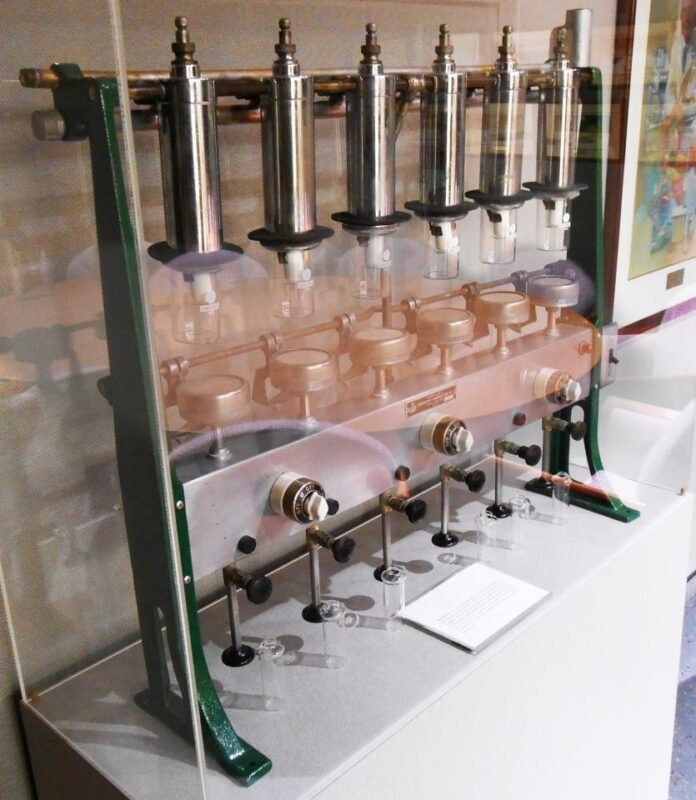
Las máquinas de ensayo de dureza de laboratorio proporcionan resultados altamente precisos y repetibles. Estos sistemas suelen incluir aplicación automática de cargas, pantallas digitales y software avanzado de generación de informes.
Durómetros portátiles
Los dispositivos portátiles permiten a los inspectores realizar mediciones directamente en equipos, estructuras y piezas de gran tamaño.
Los sectores más comunes son:
- Petróleo y gas
- Generación de energía
- Aeroespacial
- Fabricación pesada
Bloques de calibración y accesorios
Los bloques de calibración son esenciales para verificar la precisión de los comprobadores y mantener el cumplimiento de las normas de calidad.
Materiales probados habitualmente
Los ensayos de dureza se utilizan en una amplia gama de materiales:
Acero y acero inoxidable
Común en la fabricación, la construcción y la ingeniería.
Aluminio y metales no férreos
Ampliamente utilizado en las industrias del transporte y aeroespacial.
Fundición y aleaciones
Probado con frecuencia en maquinaria pesada y fundiciones.
Revestimientos y materiales finos
Requieren microdureza o métodos de ensayo especializados.
Aplicaciones en todos los sectores
Fabricación de automóviles
Los ensayos de dureza garantizan la calidad de engranajes, ejes, cojinetes y componentes del motor.
Ingeniería aeroespacial
Los materiales aeronáuticos requieren una estricta verificación de la dureza para mantener la seguridad y el rendimiento.
Industria del petróleo y el gas
Las tuberías, los recipientes a presión y los equipos de perforación suelen someterse a inspecciones de dureza.
Laboratorios de investigación y metalurgia
Los investigadores utilizan los ensayos de dureza para estudiar las propiedades y microestructuras de los materiales.
Ventajas de los ensayos de dureza
Entre sus principales ventajas figuran:
- Inspección rápida y rentable
- Evaluación no destructiva o mínimamente destructiva
- Mejora del control de calidad
- Mayor fiabilidad del producto
- Verificación de los procesos de tratamiento térmico
- Cumplimiento de las normas internacionales
Retos y limitaciones
A pesar de sus ventajas, los ensayos de dureza tienen limitaciones:
- Puede ser necesario preparar la superficie
- Los resultados pueden variar en función del grosor del material
- Una selección incorrecta de las pruebas puede afectar a la precisión
- Las condiciones ambientales pueden influir en las mediciones
Comprender estas limitaciones ayuda a garantizar unos resultados más fiables de las pruebas.

Normas internacionales y cumplimiento
Los ensayos de dureza suelen seguir normas internacionales como:
- ASTM Internacional
- Normas ISO
- Normas EN
- Normas JIS
Estas normas garantizan procedimientos de ensayo coherentes y resultados de medición fiables en todo el mundo.
Buenas prácticas para realizar pruebas precisas
Para obtener resultados fiables:
- Utilice equipos calibrados.
- Preparar superficies de ensayo limpias.
- Seleccione el método de dureza adecuado.
- Seguir normas de ensayo reconocidas.
- Verifique periódicamente los equipos utilizando bloques de referencia certificados.
Unos procedimientos de ensayo adecuados mejoran significativamente la precisión y la repetibilidad de las mediciones.
Preguntas frecuentes
1. ¿Para qué sirve el ensayo de dureza?
Los ensayos de dureza miden la resistencia de un material a la indentación y ayudan a evaluar la calidad, la solidez y la resistencia al desgaste.
2. ¿Por qué es importante la dureza?
La dureza suele estar relacionada con la durabilidad, la fuerza y la resistencia al desgaste, lo que la convierte en una importante propiedad de los materiales.
3. ¿Qué prueba de dureza es la más común?
El ensayo de dureza Rockwell es uno de los métodos más utilizados debido a su rapidez y sencillez.
4. ¿Puede el ensayo de dureza dañar un material?
La mayoría de los métodos crean sólo una pequeña hendidura, causando un daño mínimo a la superficie.
5. ¿Sirve el ensayo de dureza para todos los metales?
Sí, existen diferentes métodos de ensayo para casi todos los materiales metálicos.
6. ¿Con qué frecuencia deben calibrarse los durómetros?
La frecuencia de calibración depende del uso y de los requisitos de calidad, pero se recomienda una verificación periódica.
Conclusión
Comprender Qué es el ensayo de dureza es esencial para cualquier persona relacionada con la fabricación, la ingeniería, el control de calidad o la investigación de materiales. Los ensayos de dureza proporcionan información valiosa sobre la resistencia de un material a la deformación y ayudan a garantizar que los productos cumplen los requisitos de rendimiento, seguridad y durabilidad.
Tanto si se utilizan métodos Rockwell, Brinell, Vickers, Knoop o Leeb, los ensayos de dureza siguen siendo una de las herramientas más importantes para evaluar la calidad de los materiales. A medida que las industrias sigan exigiendo mayores niveles de precisión y fiabilidad, la medición de la dureza seguirá siendo una parte fundamental de los procesos modernos de fabricación e inspección.