Material Testing Machine: The Complete Guide to Accurate Material Analysis and Quality Control

Introduction to Material Testing Machines
A material testing machine is one of the most important tools used in quality control, research, and product development. It enables engineers, manufacturers, and researchers to evaluate the mechanical properties of materials under controlled conditions. By measuring characteristics such as strength, hardness, elasticity, ductility, and durability, material testing machines help ensure products meet safety, performance, and regulatory requirements.
In today’s highly competitive industries, material performance directly impacts product quality and reliability. Whether testing steel for structural applications, plastics for consumer products, or advanced composites for aerospace projects, accurate material testing provides the data needed to make informed engineering decisions.
Modern material testing machines combine precision sensors, automated controls, and advanced software to deliver highly accurate and repeatable results.
What Is a Material Testing Machine?
Definition und Zweck
A material testing machine is a specialized instrument designed to evaluate the physical and mechanical properties of materials. These machines apply controlled forces or loads to test specimens and measure how they respond under different conditions.
The primary objectives of material testing include:
- Determining material strength
- Evaluating durability
- Verifying product quality
- Supporting research and development
- Ensuring compliance with industry standards
Why Material Testing Is Important
Material testing helps manufacturers identify defects, optimize production processes, and verify material performance before products reach customers.
Die wichtigsten Vorteile sind:
- Verbesserte Produktzuverlässigkeit
- Enhanced safety
- Reduced production failures
- Better quality control
- Increased customer confidence
How a Material Testing Machine Works
Testing Principles
Most material testing machines operate by applying a controlled force to a sample and measuring its response.
The testing process generally includes:
- Preparing the specimen
- Mounting the sample
- Applying force or load
- Recording data
- Analyzing results
The exact procedure varies depending on the type of test being performed.
Datenerfassung und Analyse
Modern systems use digital sensors and software to capture data such as:
- Force
- Displacement
- Stress
- Strain
- Hardness values
- Impact energy
The collected information is then analyzed to determine material performance characteristics.
Types of Material Testing Machines
Universelle Prüfmaschinen
Universal Testing Machines (UTMs) are among the most versatile systems available.
Sie können Folgendes ausführen:
- Zugversuch
- Druckprüfung
- Biegeprüfung
- Shear testing
UTMs are widely used in laboratories and manufacturing facilities.
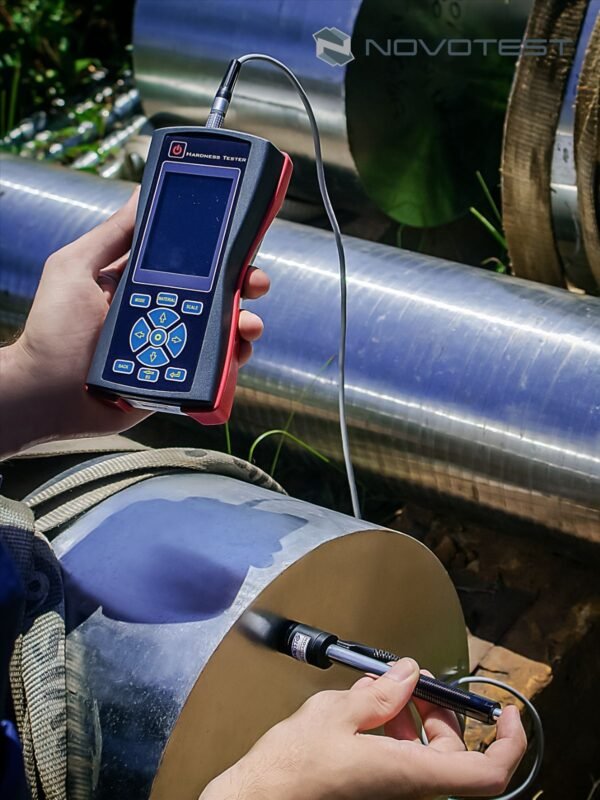
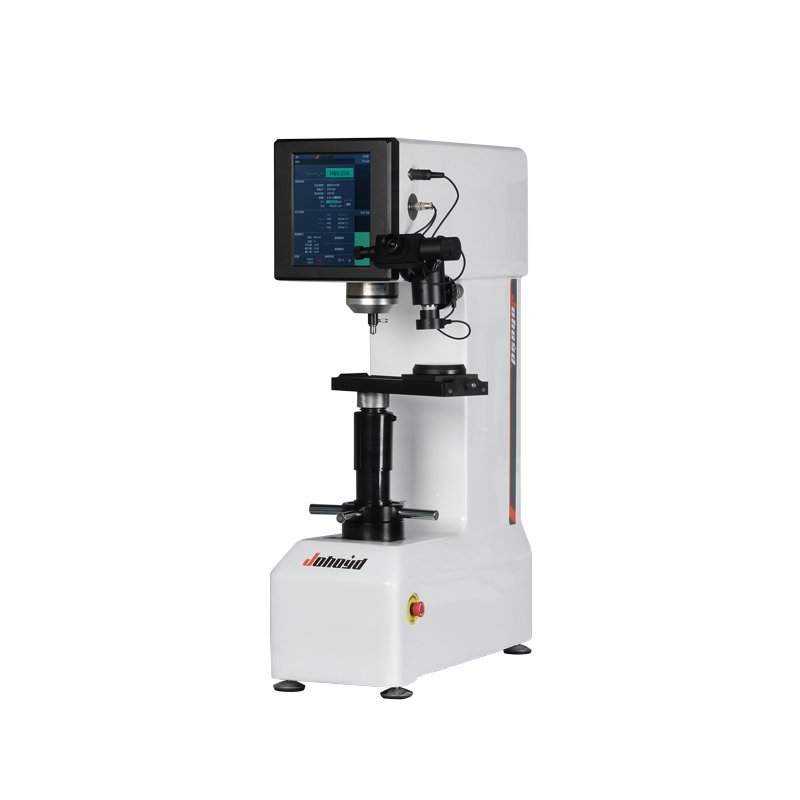
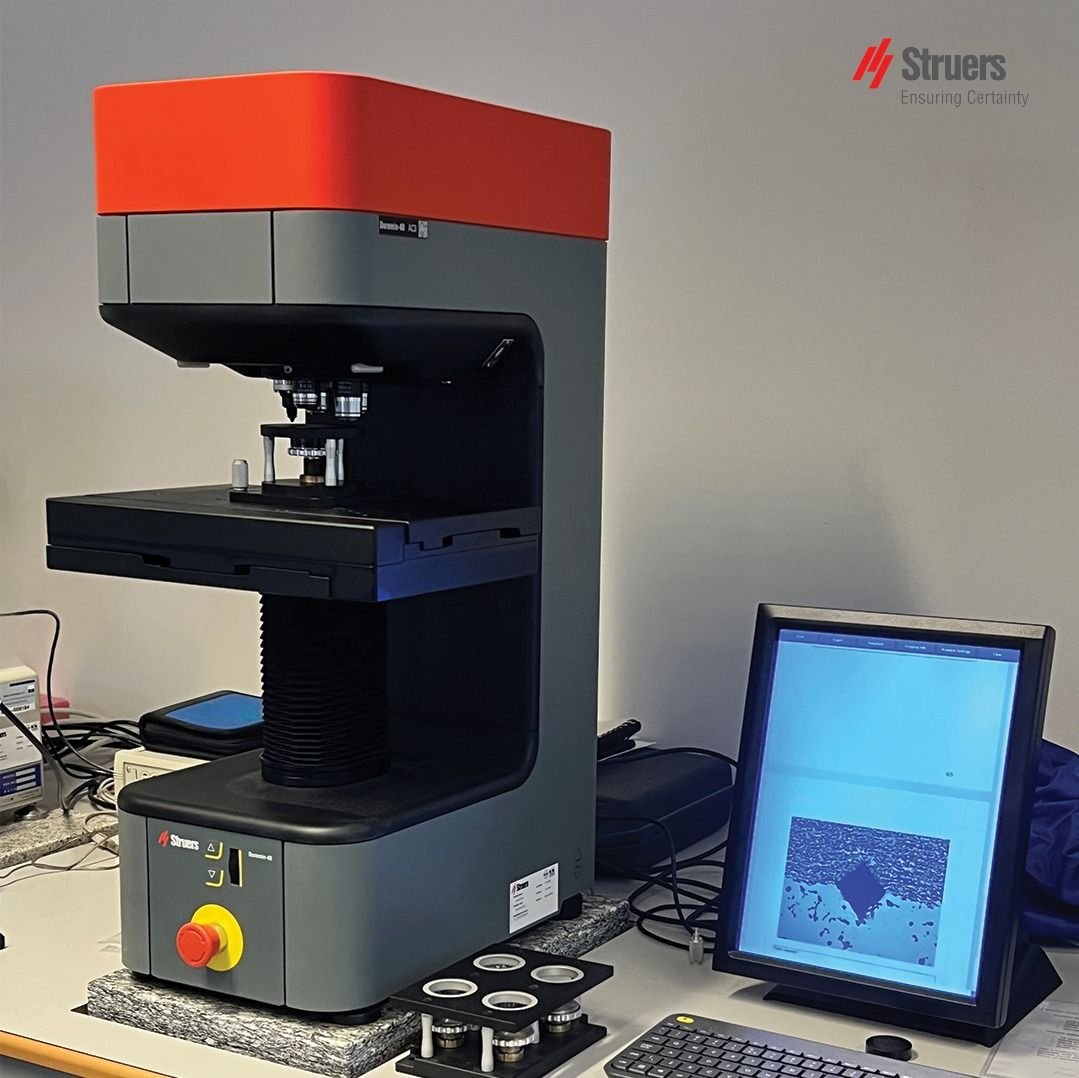
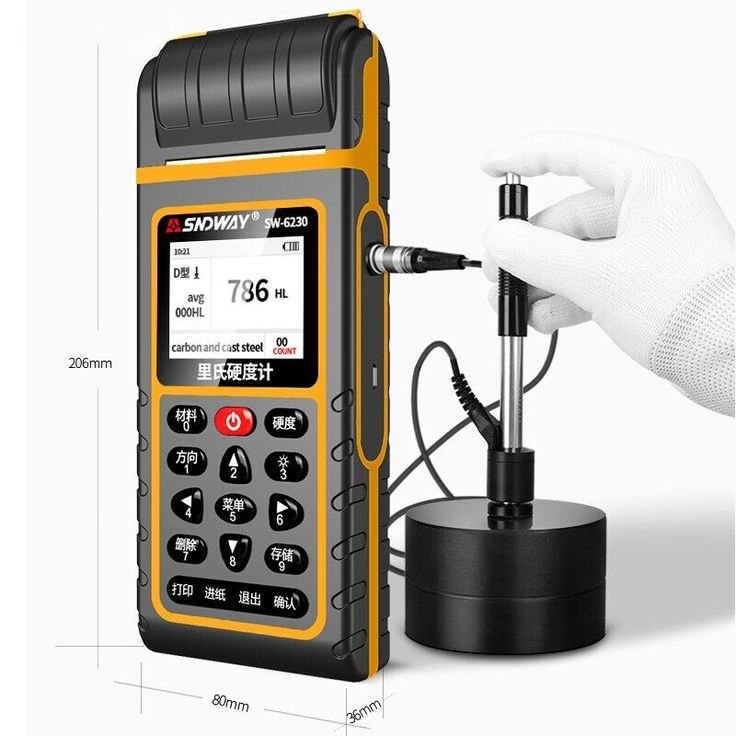
Härteprüfgeräte
These systems measure a material’s resistance to indentation or deformation.
Zu den gängigen Methoden zählen:
- Rockwell
- Brinell
- Vickers
- Knoop
Schlagprüfmaschinen
Impact testers evaluate a material’s ability to absorb energy during sudden loading conditions.
Zu den gängigen Methoden zählen:
- Charpy testing
- Izod testing
Fatigue Testing Machines
Fatigue testing evaluates how materials perform under repeated cyclic loading.
Compression Testing Machines
These machines determine how materials behave under compressive forces and are commonly used for concrete, ceramics, and structural materials.
Torsion Testing Machines
Torsion testers measure resistance to twisting forces and rotational stress.
Common Material Testing Methods
Tensile Testing
Tensile testing measures:
- Ultimate tensile strength
- Streckgrenze
- Dehnung
- Modulus of elasticity
This is one of the most widely used material testing methods.
Compression Testing
Compression testing evaluates a material’s ability to withstand crushing forces.
Bending and Flexural Testing
Flexural testing determines resistance to bending and deformation.
Hardness Testing
Hardness testing helps assess:
- Abriebfestigkeit
- Wirksamkeit der Wärmebehandlung
- Oberflächenbeständigkeit
Impact Testing
Impact testing measures toughness and resistance to sudden fracture.
Key Components of a Material Testing Machine
Load Frame
The load frame provides structural support and maintains testing stability.
Load Cell
Load cells accurately measure the forces applied during testing.
Griffe und Vorrichtungen
Specialized grips secure specimens and ensure consistent test conditions.
Control System and Software
Modern software enables:
- Automated testing
- Real-time data collection
- Statistische Analyse
- Erstellung von Berichten
- Datenspeicherung
These features improve efficiency and traceability.
Üblich getestete Materialien
Metalle und Legierungen
Beispiele hierfür sind:
- Carbon steel
- Rostfreier Stahl
- Aluminium-Legierungen
- Titanium alloys
- Copper alloys

Plastics and Polymers
Material testing helps determine mechanical performance and durability.
Rubber and Elastomers
Testing evaluates flexibility, elasticity, and fatigue resistance.
Composites and Advanced Materials
Advanced materials require precise testing to verify structural performance.
Industrielle Anwendungen
Manufacturing Industry
Manufacturers use testing machines to verify material quality and maintain production consistency.
Autoindustrie
Die Anwendungen umfassen Tests:
- Motorkomponenten
- Federungssysteme
- Befestigungselemente
- Structural parts
Luft- und Raumfahrttechnik
Aircraft materials require extensive testing to ensure safety and reliability.
Construction and Infrastructure
Material testing supports the evaluation of:
- Beton
- Stahl
- Reinforcement materials
- Strukturelle Komponenten
Forschung und Entwicklung
Researchers use material testing machines to develop new materials and improve manufacturing processes.
Benefits of Using a Material Testing Machine
Modern testing systems offer numerous advantages:
- Accurate measurements
- Verbesserte Qualitätskontrolle
- Better product reliability
- Enhanced safety
- Reduced material failures
- Regulatory compliance
- Increased manufacturing efficiency
These benefits help organizations maintain competitive advantages and reduce operational risks.
Factors to Consider When Choosing Equipment
Testing Requirements
Identify:
- Material types
- Required testing methods
- Force capacity requirements
Accuracy and Precision
Higher accuracy may be necessary for research and certification applications.
Automation Features
Consider systems with:
- Automatic testing sequences
- Advanced software
- Digital reporting
- Remote monitoring capabilities
Budget and Total Cost of Ownership
Evaluate:
- Equipment price
- Maintenance costs
- Calibration requirements
- Software licensing fees
Maintenance and Calibration Best Practices
To maintain reliable performance:
- Follow calibration schedules
- Inspect load cells regularly
- Maintain fixtures and grips
- Update software when needed
- Keep detailed maintenance records
Preventive maintenance improves accuracy and extends equipment life.
Industriestandards und Compliance
Material testing equipment commonly complies with international standards such as:
- ASTM-Normen
- ISO-Normen
- DIN-Normen
- EN-Normen
- JIS-Normen
Useful resources include:
Compliance ensures consistent and globally recognized testing results.
Häufig gestellte Fragen
1. What is a material testing machine used for?
A material testing machine evaluates the mechanical and physical properties of materials, including strength, hardness, flexibility, and durability.
2. Which industries use material testing machines?
Manufacturing, aerospace, automotive, construction, research laboratories, and educational institutions.
3. What is the most common type of material testing machine?
The Universal Testing Machine (UTM) is one of the most widely used due to its versatility.
4. Why is material testing important?
Material testing ensures product quality, safety, performance, and compliance with industry standards.
5. Can one machine perform multiple tests?
Yes. Many modern systems support multiple testing methods through interchangeable fixtures and software.
6. How often should material testing machines be calibrated?
Calibration frequency depends on usage and industry requirements, but annual calibration is commonly recommended.
Fazit
A material testing machine is an essential investment for organizations that require accurate material evaluation and reliable quality control. By providing detailed insights into mechanical performance, these systems help manufacturers improve product quality, support innovation, and maintain compliance with international standards.
Whether used for tensile testing, hardness testing, impact analysis, or advanced research applications, modern material testing machines deliver the precision and repeatability needed for today’s demanding industrial environments. Selecting the right equipment and following proper maintenance practices will ensure long-term performance and dependable testing results.