




Hardness Analysis Machine: Features, Applications and Benefits

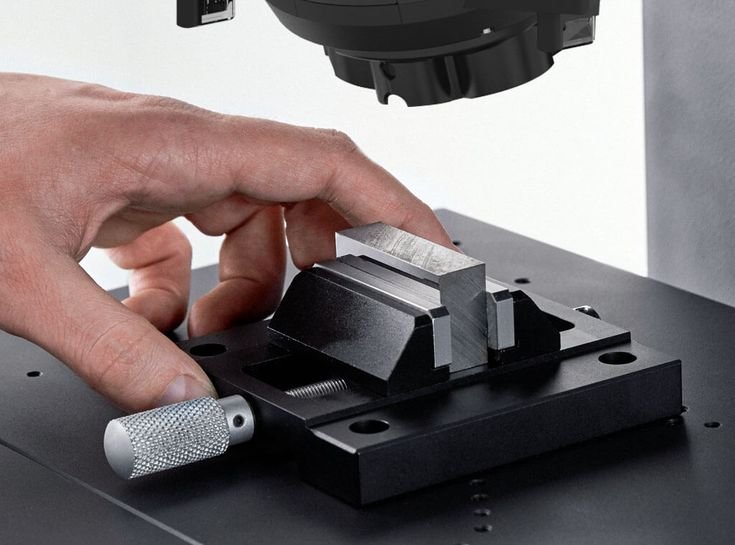
Introduction to Hardness Analysis Machines
A Härteprüfgerät is an advanced testing system used to measure, evaluate, and analyze the hardness characteristics of materials. Hardness is one of the most important mechanical properties because it directly influences wear resistance, durability, strength, and product performance.
Manufacturers, laboratories, and research institutions rely on hardness analysis machines to ensure materials meet required specifications and industry standards. These systems provide precise measurements that help engineers verify heat treatment results, assess material quality, and improve production consistency.
As modern industries demand greater accuracy and efficiency, hardness analysis machines have evolved to include digital imaging, automated measurements, and intelligent software for comprehensive material evaluation.
What Is a Hardness Analysis Machine?
Definition and Function
A Härteprüfgerät is a specialized instrument designed not only to measure hardness but also to analyze hardness data for quality control and material performance assessment.
The machine typically:
- Applies a controlled force to a material surface
- Creates an indentation
- Measures the indentation characteristics
- Calculates hardness values
- Analyzes and stores test results
These functions provide valuable insights into material behavior and manufacturing quality.
Importance in Material Evaluation
Hardness analysis helps organizations:
- Verify material specifications
- Evaluate heat treatment processes
- Improve product reliability
- Detect manufacturing defects
- Ensure compliance with industry standards
Because hardness often correlates with strength and wear resistance, it serves as an important indicator of overall material performance.
Wie ein Härteanalysegerät funktioniert
Testing Principles
Most hardness analysis machines operate using standardized testing methods.
The process generally includes:
- Vorbereiten der Probe
- Positioning the specimen
- Applying a controlled test load
- Einen Einzug erstellen
- Measuring the indentation
- Berechnen von Härtewerten
- Generating analytical reports
Datenerfassung und Analyse
Modern systems collect detailed information such as:
- Hardness values
- Indentation dimensions
- Statistical trends
- Material consistency data
- Pass/fail criteria
Advanced software automatically analyzes results and generates reports for quality documentation.
Typen von Härteanalysegeräten
Rockwell Analysis Systems
Rockwell systems measure indentation depth and provide fast, direct hardness readings.
Zu den Vorteilen gehören:
- High productivity
- Einfache Bedienung
- Ausgezeichnete Wiederholbarkeit
Brinell Analysis Systems
Brinell machines use a carbide ball indenter and are suitable for:
- Gusseisen
- Schmiedeteile
- Konstruktionsstahl
- Large industrial components
Vickers Analysis Systems
Vickers systems offer high precision and versatility.
Zu den Vorteilen gehören:
- Großer Lastbereich
- Accurate measurements
- Testen von dünnem Material
- Metallurgical analysis
Microhardness Analysis Machines
Microhardness systems are designed for:
- Oberflächenbeschichtungen
- Elektronische Materialien
- Thin films
- Small components
Automated Hardness Analysis Systems
Vollautomatische Systeme zeichnen sich durch folgende Merkmale aus:
- Motorized stages
- Automatic focusing
- Automatisierte Messung des Eindrucks
- Intelligent reporting software
These capabilities improve efficiency and reduce operator influence.
Key Components of a Hardness Analysis Machine
Anwendungssystem laden
Precision force application ensures consistent and repeatable measurements.
Indenters and Probes
Gängige Eindringkörpertypen sind:
The choice depends on the testing method.
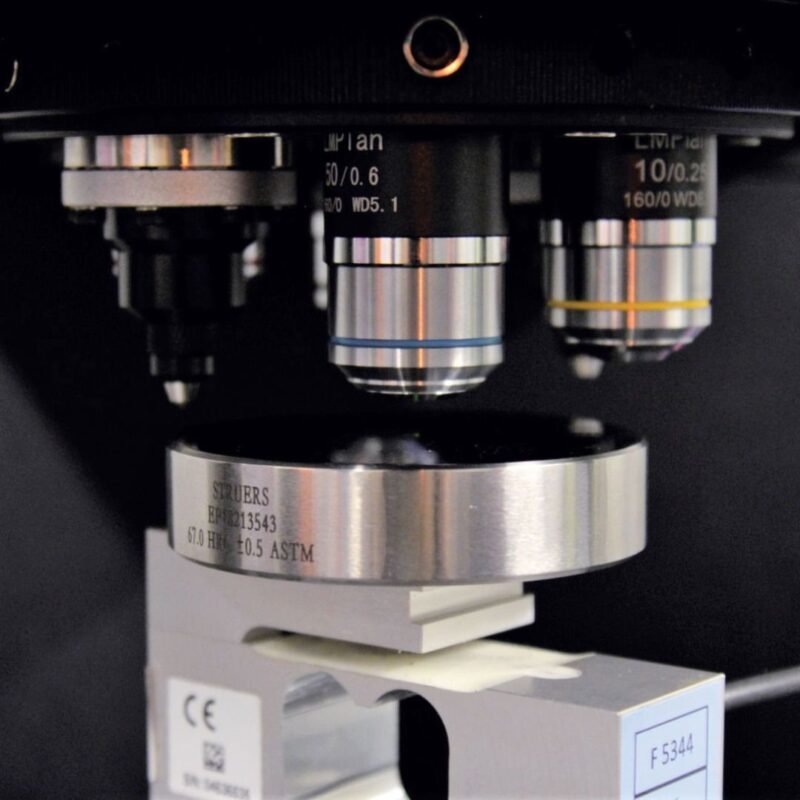
Optical Measurement Technology
Advanced systems often include:
- Digital microscopes
- High-resolution cameras
- Image recognition software
These technologies enhance measurement accuracy.
Analysis Software
Modern software provides:
- Automatisierte Berechnungen
- Statistische Analyse
- Umrechnung der Härte
- Datenspeicherung
- Erstellung von Berichten
This functionality improves workflow efficiency and traceability.
Materials Commonly Analyzed
Stahl und rostfreier Stahl
Hardness analysis verifies heat treatment quality and mechanical performance.
Aluminum Alloys
Testing ensures material consistency and compliance with specifications.
Cast Iron
Large industrial castings often require hardness evaluation during production.
Coated and Heat-Treated Materials
Hardness analysis helps assess surface treatments and thermal processing results.
Industrielle Anwendungen
Manufacturing Quality Control
Manufacturers use hardness analysis machines to verify product quality and reduce defects.
Luft- und Raumfahrttechnik
Aircraft components require accurate hardness evaluation to ensure safety and performance.
Automotive Production
Die Anwendungen umfassen Tests:
- Zahnräder
- Lager
- Motorkomponenten
- Transmission systems
Metallurgical Research
Researchers use hardness analysis to study material behavior and develop new materials.
Benefits of Using a Hardness Analysis Machine
Organizations gain several advantages:
- Accurate hardness measurements
- Verbesserte Qualitätskontrolle
- Automated data analysis
- Faster testing processes
- Reduced operator errors
- Enhanced traceability
- Better regulatory compliance
These benefits support both production efficiency and product reliability.
How to Choose the Right Machine
When selecting equipment, consider:
Testing Requirements
Evaluate:
- Material types
- Hardness scales
- Sample sizes
- Production volume
Automation Needs
Look for features such as:
- Automatic measurement
- Intelligent analysis software
- Report generation capabilities
Genauigkeitsanforderungen
Research and laboratory applications may require higher precision than routine production testing.
Budget Überlegungen
Bedenken Sie:
- Equipment cost
- Calibration expenses
- Maintenance requirements
- Software licensing
Kalibrierung und Wartung
To maintain performance:
- Use certified hardness reference blocks
- Follow calibration schedules
- Clean optical components regularly
- Maintain service records
- Perform preventive maintenance
Routine calibration helps ensure reliable and repeatable results.
Industriestandards und Compliance
Most hardness analysis systems comply with recognized standards, including:
- ASTM E18
- ASTM E10
- ASTM E384
- ISO 6506
- ISO 6507
- ISO 6508
For official standards information:
Compliance ensures results are accepted globally and meet quality requirements.
Häufig gestellte Fragen
1. What is a hardness analysis machine?
A hardness analysis machine measures and analyzes the hardness properties of materials to support quality control and material evaluation.
2. Which industries use hardness analysis machines?
Manufacturing, aerospace, automotive, metallurgy, research laboratories, and educational institutions.
3. Welche Materialien können getestet werden?
Steel, aluminum, cast iron, copper alloys, coatings, and many other engineering materials.
4. Can hardness analysis machines generate reports automatically?
Yes. Most modern systems include software for automated calculations and report generation.
5. Warum ist Kalibrierung wichtig?
Calibration ensures accurate measurements and compliance with testing standards.
6. Are automated hardness analysis systems available?
Yes. Many advanced systems provide automated testing, measurement, and data analysis functions.
Fazit
A Härteprüfgerät is an essential tool for organizations that require accurate hardness measurement and detailed material evaluation. By combining precision testing technology with advanced analytical software, these systems help improve quality control, optimize manufacturing processes, and ensure compliance with international standards.
Whether used in production environments, research laboratories, or quality assurance departments, hardness analysis machines provide the accuracy, efficiency, and data insights needed for modern material testing applications.

