




Digital Rockwell Hardness Tester: Complete Guide for Precision Hardness Measurement

Introduction to Digital Rockwell Hardness Tester
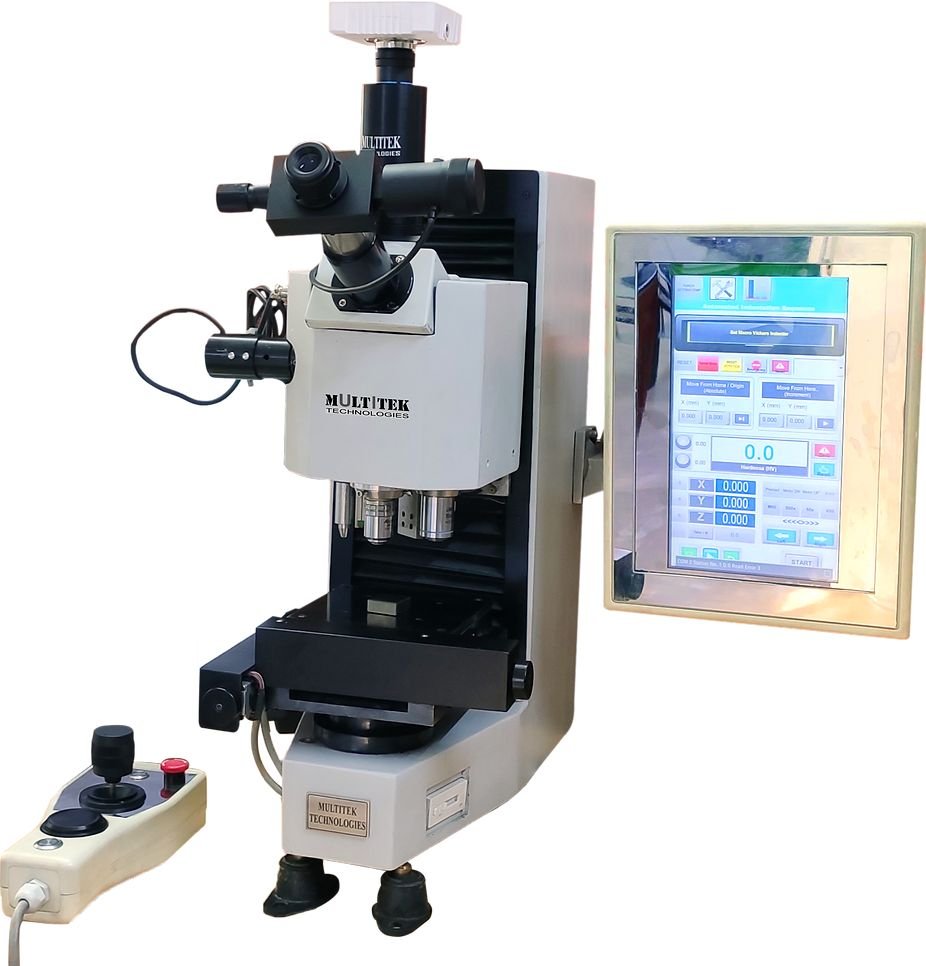
A Digitales Rockwell-Härteprüfgerät is an advanced hardness measurement system designed for fast and accurate testing of metal materials. Unlike traditional analog testers, digital models use electronic sensors, automatic load control, and intelligent software to improve testing precision and operational efficiency.
Industries such as automotive manufacturing, aerospace engineering, metallurgy, and industrial quality control rely on a Digitales Rockwell-Härteprüfgerät for reliable material inspection and production verification.
Why Rockwell Hardness Testing Is Important
Fast and Reliable Material Inspection
Rockwell testing provides rapid hardness measurement with minimal sample preparation.

Improving Industrial Quality Control
Accurate hardness testing helps manufacturers maintain consistent product quality and material performance.
📎 Ausgehende Referenz:
https://en.wikipedia.org/wiki/Rockwell_scale
📎 Zusätzlicher Hinweis:
https://www.iso.org/
How a Digital Rockwell Hardness Tester Works
Rockwell Indentation Testing Principle
The tester measures hardness based on the depth of indentation created by a controlled force.
Automatic Load Application System
Digital systems apply testing loads automatically for improved repeatability.
Digital Hardness Calculation and Display
Electronic sensors calculate hardness values and display results instantly.
👉 Interner Link:
https://hardnesstests.com/rockwell-hardness-tester
Key Components of Digital Rockwell Hardness Tester
Precision Indenter System
Diamond and ball indenters are used for different testing scales and materials.
Electronic Load Control
Advanced load systems improve testing stability and accuracy.
Digital Touchscreen Interface
Modern interfaces simplify operation and result management.
Data Storage and Reporting Functions
Testing data can be stored, exported, and analyzed digitally.
👉 Interner Link:
https://hardnesstests.com/digital-hardness-tester
Üblicherweise geprüfte Materialien
Carbon Steel and Alloy Steel
Widely used in industrial production and machinery manufacturing.
Rostfreier Stahl
Erfordert eine zuverlässige Härteprüfung für industrielle Anwendungen.
Heat-Treated Metals
Testing confirms proper thermal processing results.
Industrial Cast Components
Supports inspection of cast iron and heavy industrial materials.
👉 Interner Link:
https://hardnesstests.com/hardness-testing-for-steel
Applications of Digital Rockwell Hardness Tester
Automobilherstellung
Used for testing gears, shafts, bearings, and engine components.
Aerospace Material Inspection
Ensures structural reliability of aerospace alloys.
Metal Fabrication Industry
Supports production quality control and process verification.
Research and Quality Laboratories
Used for advanced material analysis and laboratory testing.
👉 Interner Link:
https://hardnesstests.com/laboratory-hardness-tester
Key Features of Modern Digital Rockwell Hardness Testers
Automatic Hardness Scale Conversion
Systems convert values into HRC, HRB, HBW, and HV scales automatically.
High Precision Sensor Technology
Electronic sensors improve measurement accuracy and repeatability.
USB and Computer Connectivity
Supports digital reporting and data management.
Automated Testing and Reporting
Automation reduces operator error and improves efficiency.
👉 Interner Link:
https://hardnesstests.com/automatic-hardness-tester
Advantages of Using Digital Rockwell Hardness Tester
- Fast and accurate hardness measurement
- Easy digital operation and reporting
- Verbesserte Wiederholbarkeit der Tests
- Suitable for industrial quality control
- Reduced operator error through automation
Limitations and Operational Challenges
- Surface preparation affects testing accuracy
- Regular calibration is necessary
- Thin materials may require alternative testing methods
Industrienormen und Konformität
Rockwell hardness testing commonly follows:
- ASTM-Normen → https://www.astm.org/
- ISO-Normen https://www.iso.org/
Best Practices for Accurate Rockwell Testing
- Use calibrated hardness testing equipment
- Prepare clean and stable sample surfaces
- Select correct Rockwell scales carefully
- Follow approved industrial testing procedures
Empfohlene Produkte und interne Links
Erkunden Sie verwandte Lösungen:
- https://hardnesstests.com/portable-hardness-tester
- https://hardnesstests.com/industrial-hardness-tester
- https://hardnesstests.com/hardness-test-blocks
- https://hardnesstests.com/material-testing-machine
FAQs About Digital Rockwell Hardness Tester
1. What is a Digital Rockwell Hardness Tester used for?
It measures metal hardness using the Rockwell indentation testing method.
2. Which industries use Rockwell hardness testing?
Automotive, aerospace, metallurgy, manufacturing, and research industries.
3. Welche Materialien können geprüft werden?
Steel, stainless steel, cast iron, and heat-treated metals.
4. Why are digital testers better than analog systems?
Digital systems improve accuracy, automation, and data management.
5. Are digital Rockwell testers accurate?
Yes, modern digital systems provide highly reliable measurement results.
6. Warum ist die Kalibrierung wichtig?
Calibration ensures precise and repeatable hardness measurements.
Schlussfolgerung
A Digitales Rockwell-Härteprüfgerät is an essential tool for modern industrial hardness measurement and quality control. With digital automation, advanced sensor technology, and fast testing capability, these systems provide accurate and reliable hardness analysis for a wide range of industrial applications.


