Vickers Hardness Tester: Complete Guide for Precision Metal Testing


Einführung in das Vickers-Härteprüfgerät
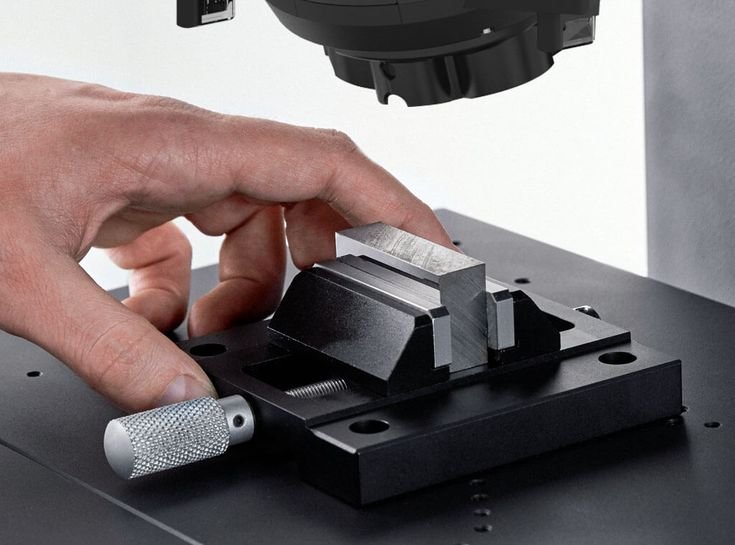
A Vickers-Härteprüfgerät is a highly precise instrument used for measuring the hardness of metals, alloys, ceramics, and surface coatings. It is widely used in laboratories, aerospace engineering, metallurgy research, and industrial quality control.
Die Vickers-Härteprüfgerät is known for its versatility, as it can test both very soft and extremely hard materials using a single testing method.
Warum die Vickers-Härteprüfung wichtig ist
High Precision Measurement Advantages
Vickers testing provides highly accurate and repeatable hardness values, making it ideal for research and industrial inspection.

Microstructure and Thin Material Testing
It is especially useful for coatings, thin sheets, and micro-level material analysis.
📎 Ausgehende Referenz:
https://en.wikipedia.org/wiki/Vickers_hardness_test
📎 Zusätzlicher Hinweis:
https://www.iso.org/
How a Vickers Hardness Tester Works
Diamond Pyramid Indentation Principle
A diamond-shaped indenter is pressed into the material surface under a controlled load.
Test Load Application Process
A specific force is applied for a fixed duration to create an indentation.
Hardness Calculation Method (HV)
Hardness is calculated based on the diagonal length of the indentation.
👉 Interner Link:
https://hardnesstests.com/vickers-test-blocks
Arten von Vickers-Härteprüfern
Manual Vickers Hardness Testers
Traditional systems used in laboratories and education environments.
Digitale Vickers-Härteprüfgeräte
Modern systems improve accuracy with digital display and automation.
Micro Vickers Hardness Testers
Designed for low-load microhardness testing of thin materials.
Automatic Vickers Hardness Testing Machines
High-efficiency systems for industrial production inspection.
👉 Interner Link:
https://hardnesstests.com/metallographic-hardness-tester
Üblicherweise geprüfte Materialien
Hardened Steel
Used for precision hardness evaluation after heat treatment.
Rostfreier Stahl
Common in corrosion-resistant industrial applications.
Ceramic Materials
Suitable for very hard and brittle materials.
Coatings and Thin Films
Ideal for surface layer hardness measurement.
👉 Interner Link:
https://hardnesstests.com/hardness-testing-for-coatings
Key Features of Modern Vickers Hardness Testers
Optisches Messsystem
High-resolution microscopes ensure accurate indentation measurement.
Digital Image Analysis
Automated software improves speed and reduces human error.
Automatic Data Recording
Results can be stored, exported, and analyzed digitally.
High Accuracy Load Control
Precise load application ensures consistent results.
👉 Interner Link:
https://hardnesstests.com/precision-hardness-testing-system
Industrial Applications of Vickers Hardness Tester
Luft- und Raumfahrttechnik
Used for high-precision material testing in critical components.
Automobilherstellung
Ensures quality of gears, shafts, and heat-treated parts.
Metallographic Research
Supports microstructure and material behavior analysis.
Heat Treatment Inspection
Confirms hardness changes after thermal processing.
👉 Interner Link:
https://hardnesstests.com/hardness-testing-for-heat-treatment
Advantages of Vickers Hardness Testing
- Extremely high precision
- Suitable for all material hardness ranges
- Ideal for microstructure analysis
- Ausgezeichnete Wiederholbarkeit
- Works for coatings and thin materials
Beschränkungen und Herausforderungen
- Requires optical measurement system
- Slower than Rockwell testing
- Surface preparation is critical
Industrienormen und Konformität
Vickers hardness testing follows:
- ASTM-Normen → https://www.astm.org/
- ISO-Normen https://www.iso.org/

Bewährte Praktiken für genaue Tests
- Use calibrated equipment
- Prepare polished surfaces
- Select appropriate test loads
- Follow standardized testing procedures
Empfohlene Produkte und interne Links
Erkunden Sie verwandte Lösungen:
- https://hardnesstests.com/laboratory-hardness-tester
- https://hardnesstests.com/hardness-calibration-blocks
- https://hardnesstests.com/hardness-testing-machine-manufacturer
- https://hardnesstests.com/rockwell-hardness-tester
FAQs About Vickers Hardness Tester
1. What is a Vickers hardness tester used for?
It measures hardness of metals, coatings, ceramics, and thin materials.
2. Why is Vickers testing so accurate?
It uses a diamond indenter and precise optical measurement.
3. Can Vickers testers measure thin materials?
Yes, it is ideal for coatings and thin sheets.
4. What does HV mean?
HV stands for Vickers hardness value.
5. Which industries use Vickers hardness testing?
Aerospace, automotive, metallurgy, and research industries.
6. Warum ist die Kalibrierung wichtig?
Calibration ensures accurate and repeatable results.
Schlussfolgerung
A Vickers-Härteprüfgerät is a critical instrument for precision hardness measurement and material analysis. With advanced optical systems and standardized testing methods, it provides highly accurate results for industrial and laboratory applications.