




Hardness Reference Blocks: Complete Guide for Accurate Verification

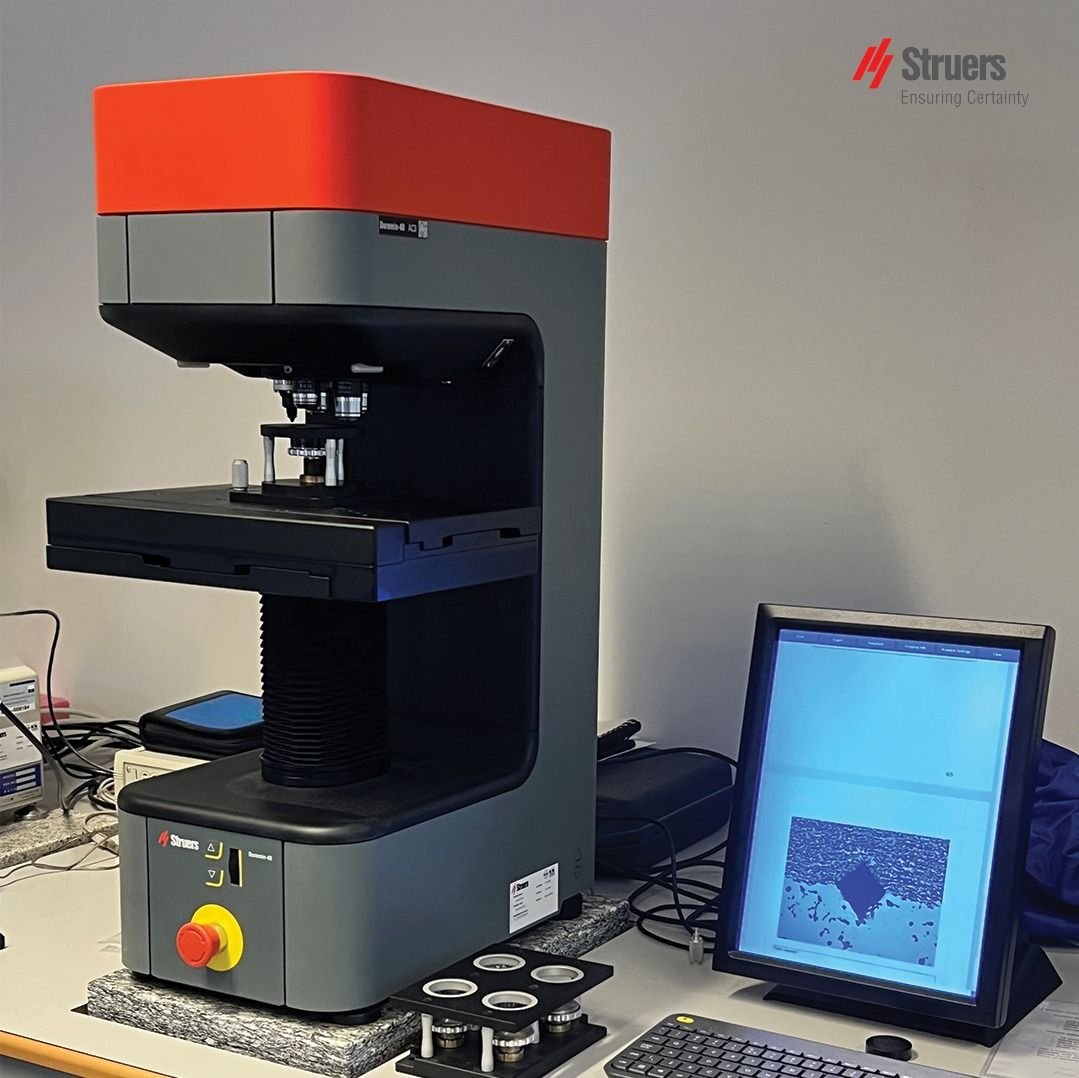
Introduction to Hardness Reference Blocks
Hardness reference blocks are essential tools used to verify the accuracy of hardness testing equipment. They provide a stable and certified reference point that ensures testing systems deliver consistent and reliable results.
In both laboratory and industrial environments, hardness reference blocks play a vital role in maintaining testing integrity and ensuring compliance with international standards.
What Are Hardness Reference Blocks

Definition and Purpose
Hardness reference blocks are standardized materials with certified hardness values used to check and validate the performance of hardness testing machines.
Role in Hardness Testing Accuracy
Accurate hardness measurement is critical for material quality and performance. Using hardness reference blocks ensures that test results are consistent across different machines and environments.
📎 Outbound reference:
https://en.wikipedia.org/wiki/Hardness
📎 Additional reference:
https://www.iso.org/
How Hardness Reference Blocks Work
Calibration and Verification Principles
A hardness tester measures the hardness of the block, and the result is compared with its certified value.
Certified Reference Values
Each block comes with a traceable hardness value established by recognized standards.
Measurement Comparison Process
Operators perform multiple tests to ensure accuracy and repeatability.
Types of Hardness Reference Blocks
Rockwell Reference Blocks
Used for Rockwell hardness testing machines.
Brinell Reference Blocks
Suitable for larger indentation testing methods.
Vickers Reference Blocks
Ideal for precise and micro-level hardness measurements.
Micro Hardness Reference
Designed for testing small areas and thin materials.
👉 Internal link:
https://hardnesstests.com/hardness-test-blocks
Key Features of Hardness Reference Blocks
Certified Accuracy and Traceability
Each block is manufactured under strict quality control and certified according to international standards.
Surface Quality and Uniformity
A smooth and uniform surface ensures reliable test results.
Material Stability
High-quality materials maintain consistent hardness over time.
Applications of Hardness Reference Blocks
Laboratory Calibration
Used to verify testing equipment accuracy in laboratories.
Industrial Quality Assurance
Ensures consistent product quality in manufacturing processes.
Equipment Verification
Regularly checks the performance of hardness testing machines.
👉 Internal link:
https://hardnesstests.com/laboratory-hardness-tester
Advantages of Hardness Reference
- Reliable calibration reference
- Supports consistent measurement results
- Ensures compliance with standards
- Easy to use and maintain
Limitations and Considerations
- Surface wear over time
- Requires careful handling
- Must match specific testing methods
How to Choose Hardness Reference Blocks
Matching Testing Method
Select blocks compatible with your hardness tester.
Selecting Proper Hardness Range
Choose blocks that match your testing requirements.
Certification Standards
Ensure compliance with ASTM or ISO standards.
Maintenance and Handling
- Store in protective cases
- Avoid repeated testing in the same area
- Keep surfaces clean and dry
- Handle carefully to prevent damage
Industry Standards and Compliance
Most hardness reference comply with:
- ASTM → https://www.astm.org/
- ISO → https://www.iso.org/
Best Practices for Accurate Results
- Perform regular verification checks
- Use proper testing procedures
- Avoid contamination
- Record all testing data
Recommended Products and Internal Links
Explore related solutions:
- https://hardnesstests.com/rockwell-test-blocks
- https://hardnesstests.com/brinell-test-blocks
- https://hardnesstests.com/vickers-test-blocks
- https://hardnesstests.com/portable-hardness-tester-equipment
FAQs
1. What are hardness reference blocks used for?
They are used to verify the accuracy of hardness testing machines.
2. Are they the same as calibration blocks?
They are similar, but reference blocks are mainly used for verification.
3. Do they wear out?
Yes, repeated use can affect their surface.
4. How often should they be used?
Regularly, depending on testing frequency.
5. Are they standardized?
Yes, they comply with ASTM and ISO standards.
6. How should they be stored?
In clean, dry, and protective environments.
Conclusion
Hardness reference blocks are essential for ensuring accurate and reliable hardness testing. By using certified reference materials and following proper procedures, industries can maintain consistent measurement quality and compliance.

