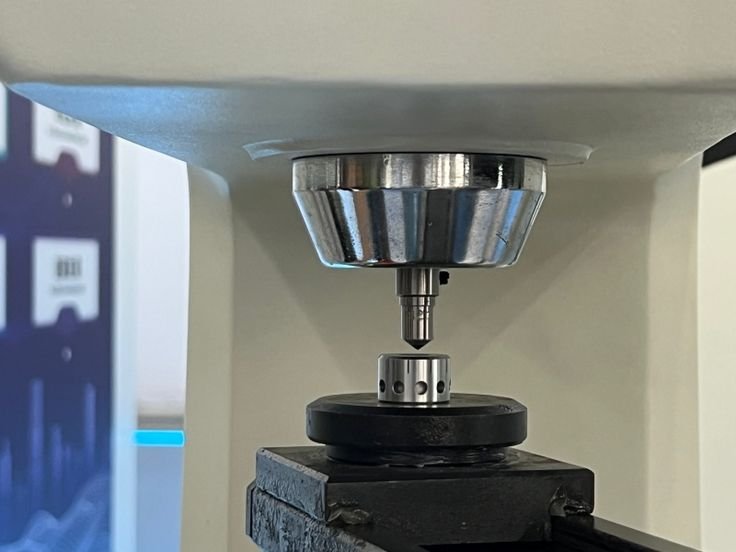
Portable Hardness Testing Device: Complete Industrial Guide


Introduction to Portable Hardness Testing Device
A portable hardness testing device is one of the most essential tools in modern material testing industries. Whether you’re working in manufacturing, automotive inspection, or heavy engineering, the need for quick and accurate hardness measurement is critical. A portable hardness testing device allows engineers to test materials directly on-site without transporting samples to a laboratory.
Unlike traditional lab-based systems, a portable hardness testing device provides flexibility, speed, and efficiency. This is especially important in industries where downtime is expensive and precision is non-negotiable.
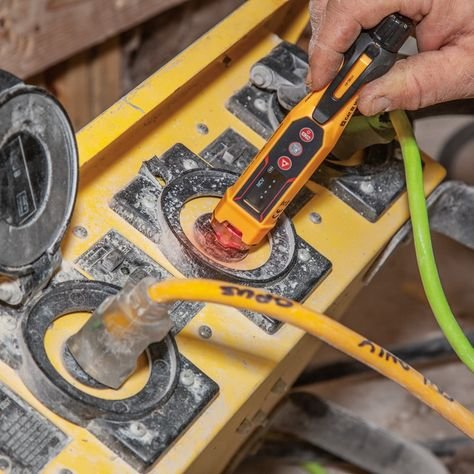
What is a Portable Hardness Testing Device?
Basic Definition
A portable hardness testing device is a compact instrument used to measure the hardness of metals and alloys in field conditions. It evaluates resistance to deformation using various testing methods.
Why It Matters in Industry
Industries rely on a portable hardness testing device to ensure material quality, safety compliance, and structural integrity. Without it, production delays and material failure risks increase significantly.
Outbound reference:
Learn more about hardness testing principles here:
https://en.wikipedia.org/wiki/Hardness
How a Portable Hardness Testing Device Works
Working Principle
A portable hardness testing device works by applying a controlled force or impact to a material surface and measuring its resistance.
Measurement Techniques
Rebound Method
This method measures the rebound velocity of an impact body after striking the material.
Ultrasonic Contact Impedance Method
This technique uses frequency shift analysis to determine hardness levels.
Both methods are widely used in a portable hardness testing device depending on application needs.
Types of Portable Hardness Testing Device
Leeb Hardness Tester
A widely used type of portable hardness testing device, ideal for large metal structures.
Ultrasonic Hardness Tester
This advanced portable hardness testing device provides high precision for thin materials.
Rockwell Portable Systems
A mobile version of traditional Rockwell testing systems for field use.
Key Features to Look For
Accuracy and Calibration
A high-quality portable hardness testing device must maintain calibration stability for consistent results.
Material Compatibility
Ensure your portable hardness testing device supports steel, aluminum, copper, and alloys.
Display and Data Storage
Modern devices include LCD/LED screens and memory storage for data logging.
Applications of Portable Hardness Testing Device
Manufacturing Industry
Factories use a portable hardness testing device to inspect raw materials and finished products.
Automotive Sector
Car manufacturers rely on a portable hardness testing device for engine components and chassis testing.
Aerospace Engineering
Precision is critical, making a portable hardness testing device essential for aircraft components.
Advantages of Portable Hardness Testing Device
On-Site Testing Efficiency
A portable hardness testing device eliminates the need to send samples to laboratories.
Cost Reduction Benefits
Using a portable hardness testing device reduces testing time and operational costs significantly.
Limitations You Should Know
Even though a portable hardness testing device is powerful, it may have slight accuracy variations compared to lab systems.
How to Choose the Best Portable Hardness Testing Device
Budget Considerations
Choose a portable hardness testing device that balances price and performance.
Brand Reputation
Trusted manufacturers ensure better reliability in a portable hardness testing device.
Technical Support
Good after-sales service is crucial for long-term use.
Maintenance and Calibration Tips
To keep your portable hardness testing device accurate:
- Calibrate regularly
- Store in protective casing
- Avoid extreme temperatures
Common Mistakes to Avoid
Many users misuse a portable hardness testing device by:
- Testing on uneven surfaces
- Ignoring calibration schedules
- Using incorrect test angles
Portable Hardness Testing Device vs Traditional Testing
Traditional lab systems are accurate but slow. A portable hardness testing device provides speed and flexibility, making it ideal for field operations.
Industry Standards and Compliance
ASTM Standards Overview
A portable hardness testing device should comply with ASTM E18 and related standards.
Outbound reference:
https://www.astm.org/
Best Practices for Accurate Results
To ensure reliable readings from a portable hardness testing device:
- Clean the surface before testing
- Use consistent force application
- Perform multiple readings

Recommended Products from Hardnesstests.com
If you’re looking for a reliable portable hardness testing device, explore these internal product pages:
- 🔧 https://hardnesstests.com/portable-hardness-testing-device
- 🔧 https://hardnesstests.com/ultrasonic-hardness-tester
- 🔧 https://hardnesstests.com/leeb-hardness-tester
These devices are designed for industrial-grade performance and high accuracy in real-world conditions.
Alt Text Suggestions for Images
- Portable hardness testing device measuring steel surface in factory
- Engineer using portable hardness testing device on metal pipe
- Digital portable hardness testing device display close-up
- Industrial quality inspection with portable hardness testing device
FAQs About Portable Hardness Testing Device
1. What is a portable hardness testing device used for?
It is used to measure the hardness of metals directly on-site without lab testing.
2. How accurate is a portable hardness testing device?
High-quality models offer very high accuracy, though slightly lower than lab systems.
3. Can a portable hardness testing device test all metals?
Most devices support steel, aluminum, copper, and other industrial alloys.
4. What is the best method used in portable hardness testing device?
Leeb and ultrasonic methods are the most commonly used.
5. How often should calibration be done?
Regular calibration is recommended for every portable hardness testing device depending on usage frequency.
6. Is a portable hardness testing device expensive?
Prices vary depending on features, but entry-level models are affordable for small businesses.
Conclusion
A portable hardness testing device is an essential investment for industries that require fast, reliable, and on-site material testing. From manufacturing to aerospace, its applications are wide and impactful. By choosing the right portable hardness testing device, companies can improve quality control, reduce costs, and enhance operational efficiency.