




Portable Hardness Tester Ultimate Guide Smart Solutions for On-Site Material Inspection


Outline for the Article on Portable Hardness Tester
| Topic Area | Detailed Coverage with LSI Keywords |
|---|---|
| Introduction to Portable Hardness Tester | portable hardness testing |
| Definition of Portable Hardness Tester | on-site hardness measurement |
| Importance of Portable Hardness Testing | field inspection |
| Evolution of Portable Hardness Testers | mobile testing technology |
| Working Principle of Portable Hardness Tester | rebound and indentation |
| Key Components of Portable Hardness Tester | impact device, probe |
| Types of Portable Hardness Testers | Leeb, Ultrasonic, Shore |
| Leeb Portable Hardness Tester | rebound method |
| Ultrasonic Portable Hardness Tester | UCI testing |
| Shore Portable Hardness Tester | elastomer testing |
| Materials Tested with Portable Testers | metals and alloys |
| Portable Hardness Testing for Steel | heat-treated parts |
| Portable Hardness Testing for Aluminum | lightweight materials |
| Portable Hardness Testing for Cast Iron | large components |
| Portable Hardness Testing for Non-Ferrous Metals | copper alloys |
| Applications in Manufacturing | production inspection |
| Applications in Quality Control | acceptance testing |
| Applications in Maintenance | in-service inspection |
| Applications in Power and Energy | turbines and pipelines |
| Applications in Automotive Industry | component verification |
| Applications in Aerospace Industry | safety-critical parts |
| Advantages of Portable Hardness Testers | mobility and speed |
| Limitations of Portable Hardness Testing | surface condition |
| Accuracy and Repeatability | measurement reliability |
| Standards for Portable Hardness Testing | ASTM, ISO |
| Calibration and Traceability | confidence in results |
| Surface Preparation Requirements | test validity |
| Data Recording and Connectivity | digital inspection |
| Selecting a Portable Hardness Tester | buying guide |
| Common Testing Errors | prevention |
| Maintenance of Portable Hardness Testers | durability |
| Role in Modern Industry | smart inspection |
| Brand Expertise and Solutions | Johoyd portable testers |
| Future Trends in Portable Hardness Testing | intelligent testing |
| FAQs | common questions |
| Conclusion | summary |

Introduction
A Portable Hardness Tester is an essential tool for industries that require fast and reliable hardness measurements outside the laboratory. In many real-world situations, components are too large, too heavy, or already installed to be moved to a fixed testing machine. Portable hardness testers solve this challenge by enabling accurate on-site hardness testing wherever the material is located.
As industries increasingly focus on efficiency, safety, and cost reduction, portable hardness testers have become indispensable for maintenance teams, inspectors, and engineers. Their ability to deliver immediate results supports quick decision-making and reduces downtime.
Portable Hardness Tester
A Portable Hardness Tester is a compact instrument designed to measure material hardness directly at the testing location. Unlike stationary machines, portable testers are lightweight, battery-powered, and easy to operate in field conditions.
They are widely used for in-service inspection, large components, and hard-to-access testing points.
Definition of Portable Hardness Tester
A portable hardness tester measures a material’s resistance to deformation using rebound, ultrasonic, or indentation-based methods. The test result is displayed digitally, often with automatic conversion between hardness scales.
These testers are optimized for mobility while maintaining acceptable accuracy for industrial use.
Importance of Portable Hardness Testing
Portable hardness testing is critical when laboratory testing is impractical. It allows inspection teams to verify material properties without dismantling equipment or interrupting production.
By enabling on-site testing, portable hardness testers reduce downtime, inspection costs, and logistical complexity.
Evolution of Portable Hardness Testers
Early portable hardness testers were mechanical and offered limited accuracy. As electronics and sensor technology advanced, modern portable testers became highly reliable digital instruments.
Today’s portable hardness testers feature advanced data processing, wireless connectivity, and multi-scale conversion.
Working Principle of Portable Hardness Tester
Portable hardness testers operate on different principles depending on the testing method. Rebound-based testers measure the energy loss after impact, while ultrasonic testers evaluate contact impedance.
In each case, the material’s resistance to deformation determines the hardness value.
Key Components of Portable Hardness Tester
A typical portable hardness tester includes an impact device or probe, a control unit, and a digital display.
The compact design ensures ease of use in confined or challenging environments.
Types of Portable Hardness Testers
Several types of portable hardness testers are used in industry.
Leeb, ultrasonic contact impedance, and Shore testers are the most common.
Leeb Portable Hardness Tester
Leeb testers measure rebound velocity after impact.
They are widely used for testing large steel components, forgings, and welded structures.
Ultrasonic Portable Hardness Tester
Ultrasonic testers use vibration frequency changes under load.
They are ideal for thin materials, small parts, and surface-hardened layers.
Shore Portable Hardness Tester
Shore testers measure indentation resistance.
They are commonly used for elastomers, rubber, and plastics.
Materials Tested with Portable Testers
Portable hardness testers are mainly used for metals and alloys.
Steel, aluminum, cast iron, and non-ferrous metals are frequently tested.
Portable Hardness Testing for Steel
Steel testing is one of the most common applications.
Portable hardness testers verify heat treatment and mechanical strength directly on-site.
Portable Hardness Testing for Aluminum
Aluminum requires careful load control due to its softness.
Ultrasonic and Leeb testers provide reliable results.
Portable Hardness Testing for Cast Iron
Cast iron components are often large and difficult to move.
Portable hardness testers allow efficient on-site inspection.
Portable Hardness Testing for Non-Ferrous Metals
Non-ferrous metals benefit from ultrasonic testing methods.
They provide accurate measurements with minimal surface damage.
Applications in Manufacturing
Manufacturers use portable hardness testers for in-process inspection.
They help detect deviations early and maintain quality consistency.
Applications in Quality Control
Quality inspectors rely on portable testers for acceptance testing.
Immediate results support faster approval decisions.
Applications in Maintenance
Maintenance teams use portable hardness testers to assess wear and degradation.
They support predictive maintenance strategies.
Applications in Power and Energy
In power plants and pipelines, portable hardness testers verify material integrity.
They help ensure operational safety.
Applications in Automotive Industry
Automotive manufacturers use portable hardness testers for component verification.
They support fast inspection during assembly and maintenance.
Applications in Aerospace Industry
Aerospace inspection requires accurate and traceable testing.
Portable hardness testers support safety-critical evaluations.
Advantages of Portable Hardness Testers
Key advantages include:
- On-site testing capability
- Fast and convenient operation
- Minimal disruption to production
- Digital data storage and conversion
These benefits make portable hardness testers highly valuable.
Limitations of Portable Hardness Testing
Portable testing may be affected by surface condition and operator technique.
Proper preparation and training are essential.
Accuracy and Repeatability
Accuracy depends on calibration, surface preparation, and correct probe selection.
Repeatability ensures confidence in field measurements.
Standards for Portable Hardness Testing
Portable hardness testing follows ASTM and ISO standards.
Compliance ensures reliable and accepted results.
Calibration and Traceability
Regular calibration maintains measurement accuracy.
Traceability supports audits and quality systems.
Surface Preparation Requirements
Clean, smooth surfaces improve test reliability.
Proper preparation reduces measurement error.
Data Recording and Connectivity
Modern portable hardness testers support data logging and wireless transfer.
They integrate easily with digital inspection systems.
Selecting a Portable Hardness Tester
Selection depends on material type, hardness range, and testing environment.
Expert guidance helps ensure the right choice.
Common Testing Errors
Errors include improper probe positioning and poor surface preparation.
Standard procedures reduce these risks.
Maintenance of Portable Hardness Testers
Routine inspection and calibration preserve performance.
Proper handling extends service life.
Role in Modern Industry
Portable hardness testers support flexible and efficient inspection.
They align with modern mobile and smart manufacturing practices.
Brand Expertise and Solutions
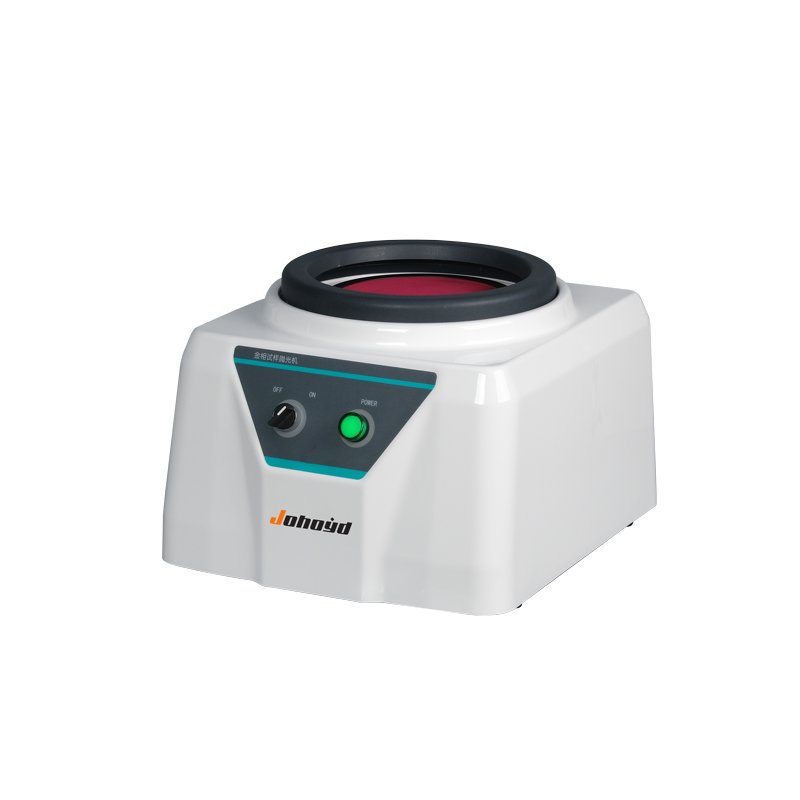
Reliable portable hardness testing requires durable equipment and professional support. Johoyd, through https://hardnesstests.com, provides advanced Portable Hardness Tester solutions designed for on-site industrial inspection, combining accuracy, portability, and compliance.
Future Trends in Portable Hardness Testing
Future developments include smarter probes, AI-assisted analysis, and enhanced connectivity.
These trends will further improve field testing efficiency.
Frequently Asked Questions
What is a portable hardness tester used for?
It measures material hardness directly on-site.
Is portable hardness testing accurate?
Yes, when properly calibrated and used.
Which portable hardness tester is most common?
Leeb testers are widely used.
Can portable testers convert hardness scales?
Yes, most digital models support conversion.
Do portable hardness testers need calibration?
Yes, regular calibration is required.
Are portable hardness testers suitable for field use?
Yes, they are designed for industrial environments.
Conclusion
A Portable Hardness Tester is an essential solution for industries requiring fast, flexible, and reliable hardness measurement outside the laboratory. By enabling on-site testing, it reduces downtime, improves inspection efficiency, and supports informed decision-making.
With trusted providers like Johoyd delivering professional solutions through hardnesstests.com, users gain confidence in their portable hardness testing results. As industrial inspection becomes more mobile and data-driven, portable hardness testers will continue to play a vital role.
Suggested Internal Links
Suggested Outbound Links
- ASTM Portable Hardness Testing Standards
- ISO Guidelines for Hardness Measurement