




Material Testing Machine: 10 Essential Insights for Accurate Material Analysis

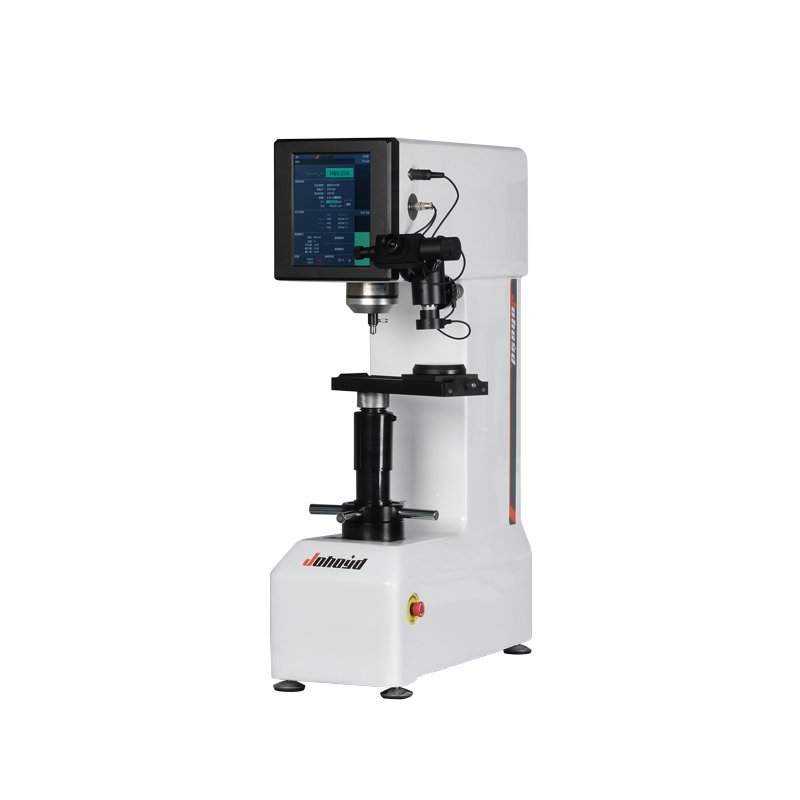
Introduction to Material Testing Machine
In modern engineering and manufacturing, understanding how materials behave under different conditions is crucial for ensuring product safety, durability, and performance. This is where the material testing machine plays an important role.
A material testing machine is specialized equipment used to determine the mechanical properties of materials such as metals, plastics, composites, rubber, textiles, and ceramics. These machines apply controlled forces to materials and measure how they react under stress, strain, compression, or impact.
Material testing is essential across many industries, including aerospace, automotive, construction, manufacturing, and research laboratories. Engineers rely on testing machines to verify whether materials meet required standards and specifications before being used in real-world applications.
By providing accurate data about material strength and behavior, a material testing machine helps manufacturers produce safer, more reliable products.
What Is a Material Testing Machine?
A material testing machine is a mechanical or electromechanical device designed to apply forces to a material sample in order to measure its physical and mechanical characteristics.
These machines evaluate properties such as:
- Tensile strength
- Compression strength
- Flexural strength
- Sertlik
- Impact resistance
- Fatigue performance
The results help engineers understand how materials will perform when subjected to real-world conditions such as heavy loads, vibrations, temperature changes, and mechanical stress.
Key Functions of a Material Testing Machine
The main functions include:
- Applying controlled loads to test specimens
- Measuring deformation and displacement
- Recording stress-strain relationships
- Generating test reports and data analysis
This information is essential for product design, quality control, and research.
Importance of Material Testing in Industry
Material testing plays a crucial role in ensuring the quality and reliability of industrial products.
Ensuring Product Quality
Manufacturers use testing machines to verify that materials meet required performance specifications before they are used in production.
For example, steel used in construction must meet strict strength requirements to ensure building safety.
Compliance with Industry Standards
Many industries must comply with international testing standards such as:
- ASTM
- ISO
- DIN
- JIS
Material testing machines allow companies to perform tests that meet these standards.
Improving Safety and Reliability
By testing materials before they are used in products, manufacturers can prevent failures that might lead to accidents, equipment damage, or costly recalls.
Working Principle of a Material Testing Machine
The operation of a material testing machine involves applying a controlled force to a test specimen and measuring its response.
Load Application Mechanism
The machine applies mechanical force using hydraulic or electromechanical systems.
This force may be applied in different ways depending on the test type, including:
- Tension
- Compression
- Bending
- Shear
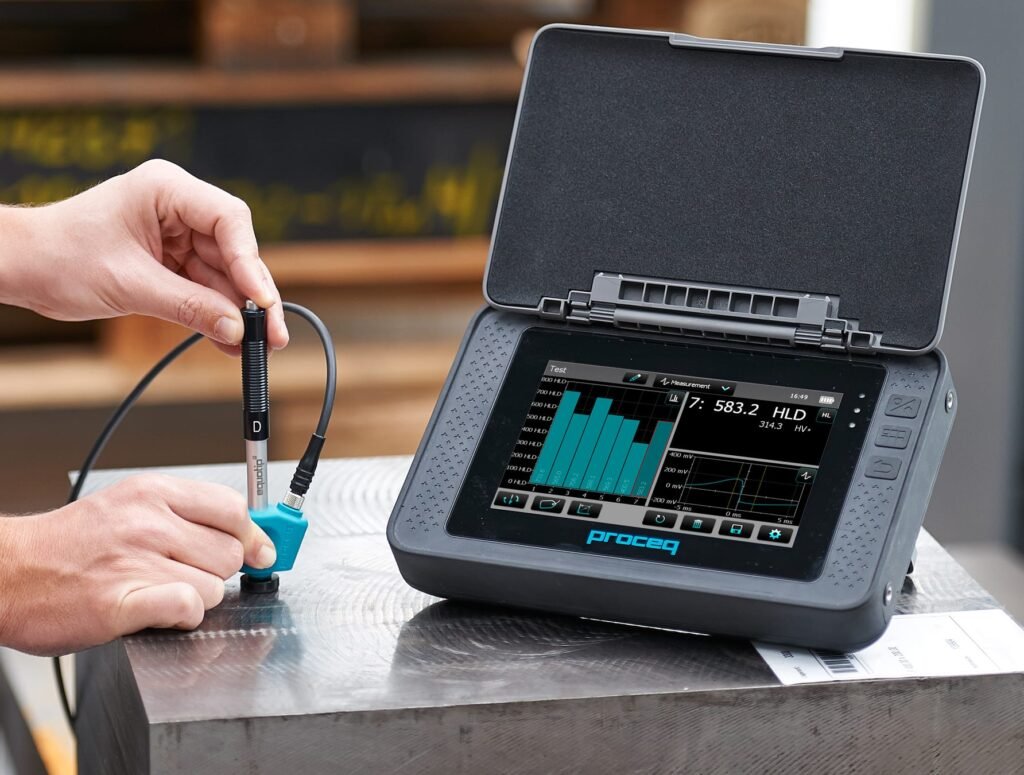
Measurement and Data Acquisition
Sensors measure parameters such as:
- Load applied to the sample
- Displacement of the specimen
- Deformation or elongation
The collected data is processed by software to produce graphs and analysis results.
Major Components of a Material Testing Machine
Several components work together to ensure accurate testing.
Load Frame
The load frame provides the structural support for the entire testing system.
It holds the testing components and maintains alignment during testing.
Load Cell
The load cell measures the force applied to the test specimen.
High-precision load cells ensure accurate measurement of stress and force.
Crosshead
The crosshead moves up or down during testing to apply tension or compression to the sample.
Grips and Fixtures
Grips hold the test specimen securely during the test.
Different fixtures are used depending on the material and test type.
Control and Data System
Modern machines use computer software to control the testing process and analyze results.
The system provides real-time data visualization and automated reporting.
Types of Material Testing Machine
Different testing machines are designed for specific mechanical tests.
Universal Testing Machine
A universal testing machine can perform multiple types of tests including tension, compression, and bending.
It is one of the most versatile material testing machines used in laboratories.
Compression Testing Machine
This machine measures how materials behave under compressive loads.
It is commonly used to test:
- Concrete
- Bricks
- Structural materials
Tensile Testing Machine
Tensile testing machines evaluate the tensile strength and elongation of materials such as metals and polymers.
Fatigue Testing Machine
Fatigue testing machines determine how materials perform under repeated stress cycles.
These tests are essential for components used in dynamic environments.
Impact Testing Machine
Impact testing machines measure how materials respond to sudden shock loads.
Common impact tests include:
- Charpy impact test
- Izod impact test
Materials Tested Using Material Testing Machine
A wide range of materials can be evaluated using these machines.
Examples include:
- Metals and alloys
- Plastics and polymers
- Rubber materials
- Composite materials
- Seramikler
- Textiles
- Construction materials
Testing helps determine whether these materials are suitable for specific applications.
Applications of Material Testing Machine
Material testing machines are widely used across various industries.
Manufacturing Industry
Used to ensure raw materials meet quality standards before production.
Construction Industry
Testing structural materials such as steel and concrete ensures building safety.
Otomotiv Endüstrisi
Vehicle components must undergo strict testing to ensure durability and safety.
Havacılık ve Uzay Endüstrisi
Aircraft components require rigorous testing due to extreme operating conditions.
Research Laboratories
Scientists use testing machines to develop new materials and improve existing ones.
Advantages of Using Material Testing Machine
Using a material testing machine offers several benefits.
Temel avantajlar şunlardır:
- Accurate measurement of material properties
- Improved product quality and reliability
- Compliance with international standards
- Better research and development capabilities
- Prevention of structural failures
Key Factors When Choosing a Material Testing Machine
When selecting a testing machine, consider the following factors:
- Maximum load capacity
- Testing accuracy and precision
- Type of materials being tested
- Software capabilities
- Compliance with testing standards
Choosing the right machine ensures reliable test results.
Maintenance and Calibration
Regular maintenance ensures accurate performance and long equipment life.
Important maintenance practices include:
- Calibration of load cells
- Inspection of mechanical components
- Software updates
- Cleaning of testing fixtures
Proper calibration ensures compliance with industry standards.
Future Trends in Material Testing Technology
Advances in technology are transforming material testing equipment.
Key developments include:
- Automated testing systems
- Artificial intelligence for data analysis
- Remote monitoring and control
- Integration with Industry 4.0 systems
These innovations are improving testing accuracy and efficiency.
Frequently Asked Questions (FAQs)
1. What is a material testing machine used for?
It is used to measure the mechanical properties of materials such as strength, hardness, and durability.
2. What industries use material testing machines?
Industries such as aerospace, automotive, construction, manufacturing, and research laboratories use them.
3. What materials can be tested?
Materials including metals, plastics, composites, rubber, textiles, and ceramics can be tested.
4. What is the most common type of material testing machine?
The universal testing machine is the most commonly used due to its versatility.
5. Why is material testing important?
Material testing ensures product safety, quality, and compliance with industry standards.
6. How accurate are modern material testing machines?
Modern machines provide extremely high accuracy through advanced sensors and digital control systems.
Sonuç
Bu material testing machine is an essential tool for modern engineering, manufacturing, and research. By providing accurate measurements of material properties, these machines help ensure that products are safe, reliable, and compliant with industry standards.
As industries continue to innovate and develop new materials, material testing machines will remain a critical component in quality assurance and product development. Advances in automation, digital technology, and smart data analysis will further enhance their capabilities, making them even more valuable in the future of engineering and manufacturing.