




Indentation Testing Devices Power Guide 28 Essential Tools for Accurate Material Evaluation

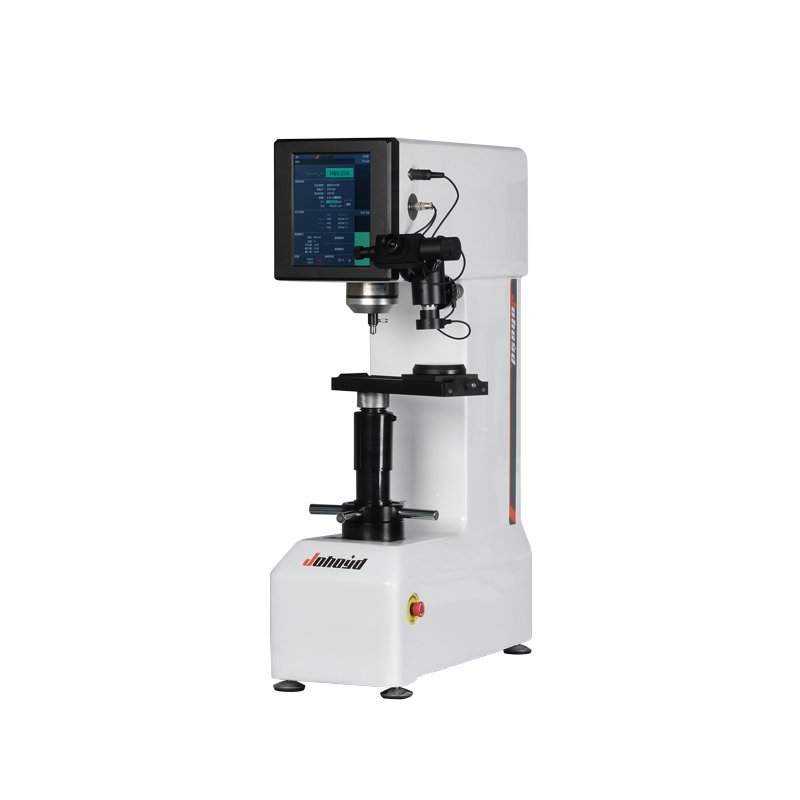
Outline for the Article on Indentation Testing Devices
| Konu Alanı | LSI Anahtar Kelimeleriyle Detaylı Kapsam |
|---|---|
| Introduction to Indentation Testing Devices | indentation hardness testing |
| What Are Indentation Testing Devices | indentation-based measurement |
| Importance of Indentation Testing | material characterization |
| History of Indentation Testing Devices | development of hardness testing |
| Basic Principle of Indentation Testing | deformasyona karşı direnç |
| Components of Indentation Testing Devices | indenter, yük sistemi |
| Types of Indenters Used | ball, diamond |
| Loads and Force Application Methods | test load control |
| Common Indentation Testing Methods | Rockwell, Brinell, Vickers |
| Rockwell Indentation Testing Devices | depth measurement |
| Brinell Indentation Testing Devices | indentation diameter |
| Vickers Indentation Testing Devices | pyramid indenter |
| Knoop Indentation Testing Devices | microhardness |
| Micro Indentation Testing Devices | ince katmanlar |
| Macro Indentation Testing Devices | dökme malzemeler |
| Superficial Indentation Testing Devices | thin components |
| Portable Indentation Testing Devices | saha deneti̇mi̇ |
| Laboratory Indentation Testing Devices | kontrollü test |
| Digital Indentation Testing Devices | data-driven testing |
| Automatic Indentation Testing Systems | high repeatability |
| Materials Tested with Indentation Devices | metaller ve alaşimlar |
| Indentation Testing for Steel | ısıl işlem |
| Indentation Testing for Aluminum | soft metals |
| Indentation Testing for Cast Iron | coarse structures |
| Indentation Testing for Non-Ferrous Metals | bakır alaşımları |
| Surface Preparation for Indentation Testing | doğruluk |
| Indentation Size and Depth Considerations | test geçerliliği |
| Standards for Indentation Testing Devices | ASTM, ISO |
| Doğruluk ve Tekrarlanabilirlik | ölçüm güveni̇li̇rli̇ği̇ |
| Kalibrasyon ve İzlenebilirlik | kali̇te güvencesi̇ |
| Üretim Alanındaki Uygulamalar | süreç kontrolü |
| Kalite Kontrol Uygulamaları | kabul testleri |
| Applications in R&D Labs | material research |
| Advantages of Indentation Testing Devices | simplicity |
| Limitations of Indentation Testing | yorumlama |
| Selecting the Right Indentation Testing Device | application-based |
| Yaygın Test Hataları | önleme |
| Maintenance of Indentation Testing Devices | uzun ömür |
| Automation and Digital Integration | verimlilik |
| Marka Uzmanlığı ve Çözümleri | Johoyd equipment |
| Future Trends in Indentation Testing | akıllı testler |
| SSS | ortak sorular |
| Sonuç | özet |
Giriş
Indentation Testing Devices are among the most widely used tools for evaluating material hardness and mechanical behavior. By measuring a material’s resistance to localized deformation, these devices provide valuable insight into strength, wear resistance, and processing quality. From industrial manufacturing floors to advanced research laboratories, indentation testing remains a cornerstone of material evaluation.
Because indentation testing is relatively fast, cost-effective, and minimally destructive, it is ideal for routine inspection as well as detailed analysis. Understanding how indentation testing devices work and where they are best applied helps engineers and inspectors achieve reliable and meaningful results.
Indentation Testing Devices
Indentation Testing Devices are instruments designed to press a standardized indenter into a material surface under a controlled load. The resulting indentation is measured to determine hardness or resistance to deformation.
These devices convert physical deformation into numerical values that allow comparison between materials and verification against specifications.
What Are Indentation Testing Devices
Indentation testing devices evaluate hardness by applying force through an indenter and measuring either the depth or size of the indentation. The harder the material, the smaller or shallower the indentation.
Different devices use different indenters and force levels to suit various materials and applications.
Importance of Indentation Testing
Indentation testing is important because it provides quick insight into material properties without extensive sample preparation. Manufacturers use indentation testing to verify heat treatment, detect defects, and ensure consistency.
In research, indentation testing supports material development and performance analysis.
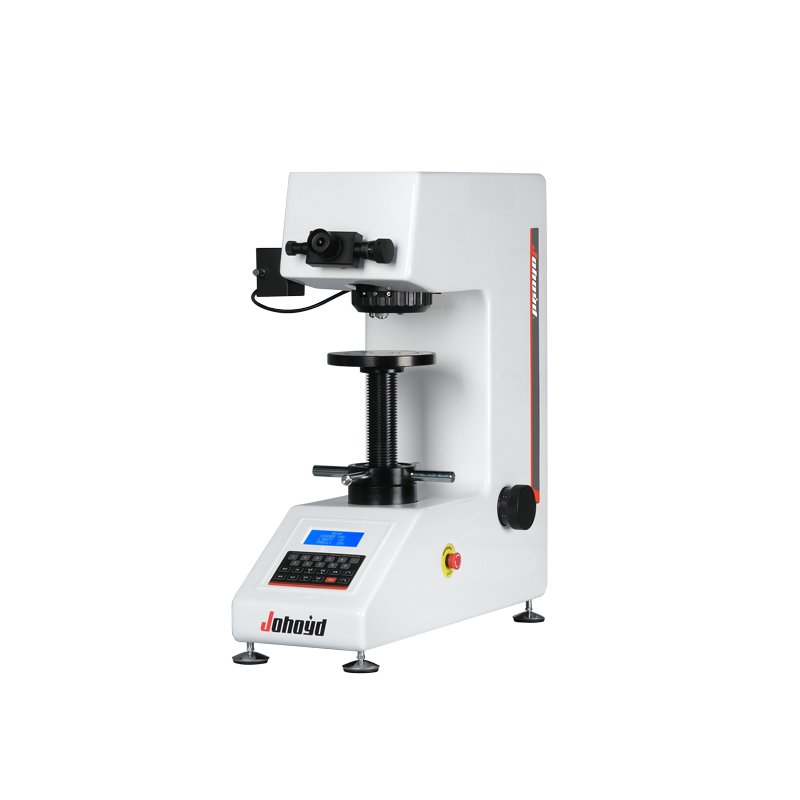
History of Indentation Testing Devices
Indentation testing evolved alongside industrial manufacturing. Early methods were simple and manual, relying on visual assessment.
As precision requirements increased, standardized indentation testing devices and methods were developed, leading to today’s highly accurate digital systems.
Basic Principle of Indentation Testing
The fundamental principle is resistance to deformation. A known force is applied through an indenter to the test surface.
The resulting deformation reflects the material’s hardness and mechanical response.
Components of Indentation Testing Devices
Typical devices include an indenter, load application system, measurement system, and display or data interface.
Each component must function accurately to ensure reliable results.
Types of Indenters Used
Common indenters include hardened steel balls and diamond shapes.
Ball indenters are used for softer materials, while diamond indenters suit harder materials and precision testing.
Loads and Force Application Methods
Indentation testing devices apply controlled loads ranging from very light to heavy forces.
Accurate load control is essential for repeatable testing.
Common Indentation Testing Methods
Several standardized methods rely on indentation testing devices.
Rockwell, Brinell, Vickers, and Knoop testing are the most widely used.
Rockwell Indentation Testing Devices
Rockwell devices measure indentation depth under a minor and major load.
They are fast and commonly used in production environments.
Brinell Indentation Testing Devices
Brinell devices measure the diameter of a large indentation.
They are suitable for castings, forgings, and coarse-grain materials.
Vickers Indentation Testing Devices
Vickers devices use a diamond pyramid indenter.
Geniş bir sertlik aralığında yüksek hassasiyet sunarlar.
Knoop Indentation Testing Devices
Knoop devices are designed for microhardness testing.
They are ideal for thin layers and brittle materials.
Micro Indentation Testing Devices
Micro indentation devices apply very low loads.
They analyze coatings, surface treatments, and microstructures.
Macro Indentation Testing Devices
Macro indentation devices evaluate bulk material properties.
They are used in structural and production testing.
Superficial Indentation Testing Devices
Superficial devices use reduced loads.
They are suitable for thin or surface-hardened components.
Portable Indentation Testing Devices
Portable devices allow on-site testing of large or installed components.
They are valuable for maintenance and field inspection.
Laboratory Indentation Testing Devices
Laboratory devices offer controlled environments and high precision.
They are used for certification and research.
Digital Indentation Testing Devices
Digital devices automate measurement and result calculation.
They improve accuracy and data traceability.
Automatic Indentation Testing Systems
Automatic systems reduce operator influence.
They improve repeatability and efficiency in high-volume testing.
Materials Tested with Indentation Devices
Indentation testing devices are widely used for metals and alloys.
Çelik, alüminyum, dökme demir ve demir dışı metaller yaygın olarak test edilir.
Indentation Testing for Steel
Çelik sertlik testi, ısıl işlemi ve mukavemeti doğrular.
Rockwell and Vickers devices are commonly used.
Indentation Testing for Aluminum
Alüminyum, dikkatli yük seçimi gerektirir.
Brinell and Vickers devices provide reliable results.
Indentation Testing for Cast Iron
Dökme demir Brinell testinden yararlanır.
The method averages hardness over a larger area.
Indentation Testing for Non-Ferrous Metals
Demir dışı metaller esnek test yöntemleri gerektirir.
Vickers testi genellikle tercih edilir.
Surface Preparation for Indentation Testing
Proper surface preparation ensures accurate results.
Cleaning and polishing reduce measurement error.
Indentation Size and Depth Considerations
Indentation depth must suit material thickness.
Excessive penetration compromises validity.
Standards for Indentation Testing Devices
ASTM and ISO standards govern indentation testing.
Compliance ensures consistency and credibility.

Doğruluk ve Tekrarlanabilirlik
Accuracy depends on calibration, indenter condition, and load control.
Repeatability ensures reliable comparisons.
Kalibrasyon ve İzlenebilirlik
Düzenli kalibrasyon ölçüm bütünlüğünü korur.
Traceability supports audits and certification.
Üretim Alanındaki Uygulamalar
Manufacturers use indentation testing devices for process control.
They support defect detection and quality assurance.
Kalite Kontrol Uygulamaları
Quality teams rely on indentation testing for acceptance testing.
Clear hardness limits simplify decisions.
Applications in R&D Labs
R&D labs use indentation testing to study material behavior.
Micro and nano indentation support innovation.
Advantages of Indentation Testing Devices
Temel avantajlar şunlardır:
- Fast results
- Minimal damage
- Wide applicability
- Cost efficiency
These benefits make indentation testing highly practical.
Limitations of Indentation Testing
Indentation testing does not measure all mechanical properties.
Results must be interpreted in context.
Selecting the Right Indentation Testing Device
Selection depends on material type, thickness, accuracy needs, and environment.
Expert guidance ensures optimal choice.
Yaygın Test Hataları
Errors include poor surface preparation and incorrect load selection.
Standard procedures reduce mistakes.
Maintenance of Indentation Testing Devices
Routine inspection and calibration preserve accuracy.
Proper maintenance extends service life.
Automation and Digital Integration
Automation improves throughput and consistency.
Digital integration supports data management.
Marka Uzmanlığı ve Çözümleri
Reliable indentation testing requires dependable equipment and support. Brands like Johoyd, aracılığıyla https://hardnesstests.com, provide professional Indentation Testing Devices designed for industrial, laboratory, and research applications, ensuring accuracy, durability, and compliance.
Future Trends in Indentation Testing
Future trends include smart testers, AI-assisted analysis, and nano-scale testing.
These advancements will enhance material characterization.

Sıkça Sorulan Sorular
What are indentation testing devices used for?
They measure material hardness and deformation resistance.
Are indentation tests destructive?
They are minimally destructive.
Which indentation method is most common?
Rockwell testing is widely used.
Can indentation testing be automated?
Evet, otomatik sistemler mevcuttur.
Do indentation testing devices require calibration?
Evet, düzenli kalibrasyon şarttır.
Are standards required for indentation testing?
Evet, ASTM ve ISO standartları geçerlidir.
Sonuç
Indentation Testing Devices are essential tools for evaluating material hardness, ensuring quality, and supporting research. Their versatility, simplicity, and reliability make them indispensable across industries.
With experienced providers like Johoyd aracılığıyla gelişmiş çözümler sunmak hardnesstests.com, users gain confidence in indentation testing accuracy and long-term performance. As materials and technologies evolve, indentation testing devices will continue to play a critical role in material evaluation.
Önerilen Dahili Bağlantılar
- Sertlik Test Yöntemleri Türleri
- Endüstriyel Sertlik Test Cihazları
Önerilen Giden Bağlantılar
- ASTM Standards for Indentation Testing
- Sertlik Ölçümü için ISO Kılavuzları