




Hardness Machines for Aerospace Ultimate Guide 35 Expert Insights for High-Reliability Material Testing

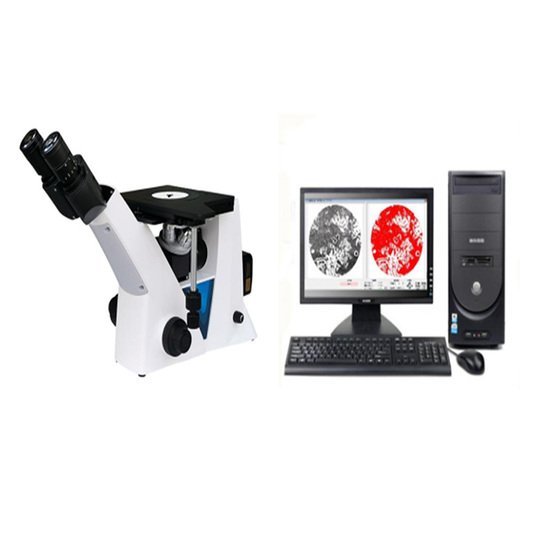
Outline for the Article on Hardness Machines for Aerospace
| Konu Alanı | LSI Anahtar Kelimeleriyle Detaylı Kapsam |
|---|---|
| Introduction to Hardness Machines for Aerospace | aerospace hardness testing |
| What Are Hardness Machines for Aerospace | aircraft material testing |
| Importance of Hardness Testing in Aerospace Industry | safety, reliability |
| Aerospace Materials Requiring Hardness Testing | titanium, aluminum alloys |
| Basic Principle of Aerospace Hardness Testing | indentation resistance |
| Common Hardness Testing Methods in Aerospace | Rockwell, Vickers, Brinell |
| Rockwell Hardness Machines for Aerospace | high-strength alloys |
| Brinell Hardness Machines for Aerospace | large structural parts |
| Vickers Hardness Machines for Aerospace | precision aerospace testing |
| Knoop and Microhardness Testing in Aerospace | kaplamalar ve ince tabakalar |
| Leeb Hardness Machines for Aerospace | portable aircraft testing |
| Shore Hardness Machines for Aerospace | polymers and composites |
| Hardness Scales Used in Aerospace Testing | HRC, HV, HB, Shore |
| Hardness Testing for Aircraft Structural Parts | frames, fuselage |
| Hardness Testing for Aerospace Engine Components | turbine blades |
| Hardness Testing for Landing Gear Components | fatigue resistance |
| Hardness Testing for Aerospace Fasteners | bolts, rivets |
| Hardness Testing for Welded Aerospace Parts | weld quality |
| Hardness Testing for Heat-Treated Aerospace Materials | süreç doğrulama |
| Hardness Testing for Surface-Treated Aerospace Parts | coatings, anodizing |
| Hardness Testing in Aerospace Manufacturing | üreti̇m kontrolü |
| Hardness Testing in Aerospace Quality Control | certification |
| Hardness Testing in Aerospace R&D | advanced materials |
| Doğruluk ve Tekrarlanabilirlik | high-precision demands |
| Factors Affecting Aerospace Hardness Results | environment, surface |
| Sample Preparation for Aerospace Hardness Testing | precision preparation |
| Standards for Aerospace Hardness Testing | ASTM, ISO, AMS |
| Calibration of Aerospace Hardness Machines | traceable accuracy |
| Advantages of Hardness Machines for Aerospace | reliability, compliance |
| Limitations of Aerospace Hardness Testing | yöntem kısıtlamaları |
| Choosing Hardness Machines for Aerospace | seçi̇m kilavuzu |
| Johoyd Aerospace Hardness Testing Solutions | marka uzmanliği |
| Future Trends in Aerospace Hardness Testing | automation, composites |
| SSS | ortak sorular |
| Sonuç | özet |
Giriş
Hardness machines for aerospace applications are critical instruments used to verify the mechanical integrity of materials that operate under extreme conditions. Aircraft and spacecraft components must withstand high stress, temperature variation, vibration, and fatigue while maintaining absolute reliability. Even minor deviations in material hardness can lead to catastrophic failure.
For this reason, aerospace hardness testing follows some of the most stringent standards in the manufacturing world. This article provides a detailed and practical guide to hardness machines for aerospace, covering materials, testing methods, applications, standards, and best practices used across aviation and space industries.
Hardness Machines for Aerospace
Hardness machines for aerospace measure a material’s resistance to deformation to confirm strength, durability, and compliance.
Precision is non-negotiable.
What Are Hardness Machines for Aerospace
They are specialized hardness testing machines designed to meet the accuracy, repeatability, and traceability requirements of aerospace materials and components.
They support certification and safety.
Importance of Hardness Testing in Aerospace Industry
Hardness testing ensures aerospace components meet strict safety and performance requirements.
It prevents fatigue failure and structural risk.
Aerospace Materials Requiring Hardness Testing
Aerospace materials commonly tested include:
- Titanium alloys
- Alüminyum alaşımlar
- Nickel-based superalloys
- High-strength steels
- Composites and polymers
Each material demands precise testing methods.
Basic Principle of Aerospace Hardness Testing
A controlled force is applied through a standardized indenter, and the resulting indentation is measured.
Hardness reflects microstructure and treatment.
Common Hardness Testing Methods in Aerospace
Aerospace hardness testing typically uses:
- Rockwell
- Brinell
- Vickers
- Knoop
- Leeb
- Shore
Method selection depends on component geometry and material.
Rockwell Hardness Machines for Aerospace
Rockwell machines are widely used for high-strength steels and titanium alloys.
They offer fast and repeatable results.
Brinell Hardness Machines for Aerospace
Brinell machines are used for large aerospace components and aluminum castings.
Large indentations provide average hardness.
Vickers Hardness Machines for Aerospace
Vickers machines offer exceptional precision and a wide hardness range.
Ideal for laboratory and certification testing.
Knoop and Microhardness Testing in Aerospace
Microhardness testing evaluates thin coatings, diffusion layers, and microstructures.
Critical for surface-engineered parts.
Leeb Hardness Machines for Aerospace
Leeb machines enable portable hardness testing for large or installed aerospace components.
Useful during maintenance and inspection.
Shore Hardness Machines for Aerospace
Shore testers measure hardness of polymers, seals, and composite matrices.
Elastic properties affect vibration and sealing.

Hardness Scales Used in Aerospace Testing
Common aerospace hardness scales include:
- Rockwell (HRC, HRB)
- Vickers (HV)
- Brinell (HB)
- Knoop (HK)
- Shore (A, D)
Correct scale selection ensures reliability.
Hardness Testing for Aircraft Structural Parts
Structural components such as frames, fuselage panels, and wings require strict hardness control.
Ensures strength without brittleness.
Hardness Testing for Aerospace Engine Components
Turbine blades, disks, and shafts operate under extreme heat and stress.
Hardness verifies alloy performance.
Hardness Testing for Landing Gear Components
Landing gear must withstand repeated impact and fatigue.
Hardness testing ensures durability and safety.
Hardness Testing for Aerospace Fasteners
Bolts, rivets, and pins require precise hardness to prevent loosening or fracture.
Small parts demand accurate testing.
Hardness Testing for Welded Aerospace Parts
Weld zones and heat-affected areas are tested for brittleness and consistency.
Prevents crack initiation.
Hardness Testing for Heat-Treated Aerospace Materials
Heat-treated aerospace materials require hardness verification to confirm process success.
Hardness reflects correct thermal cycles.
Hardness Testing for Surface-Treated Aerospace Parts
Anodized, coated, or shot-peened components require surface and subsurface hardness evaluation.
Microhardness testing is essential.
Hardness Testing in Aerospace Manufacturing
Hardness machines are integrated into aerospace production for in-process inspection.
Early detection reduces scrap.
Hardness Testing in Aerospace Quality Control
Quality control teams rely on hardness data for certification and traceability.
Documentation supports compliance.
Hardness Testing in Aerospace R&D
R&D labs use hardness machines to develop advanced alloys and lightweight structures.
Testing supports innovation.
Doğruluk ve Tekrarlanabilirlik
Aerospace hardness machines must deliver extremely low measurement uncertainty.
Repeatability ensures confidence.
Factors Affecting Aerospace Hardness Results
- Surface finish
- Sample thickness
- Temperature stability
- Girinti durumu
- Load accuracy
Strict control improves reliability.
Sample Preparation for Aerospace Hardness Testing
Precision grinding and polishing are required for aerospace samples.
Preparation reduces measurement error.
Standards for Aerospace Hardness Testing
Aerospace hardness testing follows standards such as:
- ASTM E10, E18, E384
- ISO 6506, 6507, 6508
- AMS aerospace specifications
Standartlar küresel kabulü sağlar.
Calibration of Aerospace Hardness Machines
Regular calibration with certified reference blocks ensures traceable accuracy.
Calibration is mandatory.
Advantages of Hardness Machines for Aerospace
- Yüksek doğruluk ve tekrarlanabilirlik
- Compliance with strict standards
- Suitable for critical safety components
- Supports certification and audits
Limitations of Aerospace Hardness Testing
- Requires controlled environments
- Thin or complex parts need microhardness methods
- Not a replacement for full mechanical testing
Understanding limitations improves interpretation.
Choosing Hardness Machines for Aerospace
Selection depends on material type, component geometry, required standards, and testing environment.
Correct choice ensures compliance.
Johoyd Aerospace Hardness Testing Solutions
Precision hardness machines for aerospace demand reliability and compliance. Johoyd, aracılığıyla https://hardnesstests.com, provides advanced hardness testing solutions for aerospace applications, including Rockwell, Brinell, Vickers, microhardness, Leeb, and Shore systems. Johoyd equipment meets ASTM, ISO, and aerospace requirements, supporting manufacturers, maintenance facilities, and research institutions worldwide.
Future Trends in Aerospace Hardness Testing
Automation, digital traceability, inline inspection, and testing of advanced composites are shaping the future of aerospace hardness testing.
Technology continues to raise safety standards.
Sıkça Sorulan Sorular
Why is hardness testing critical in aerospace?
It ensures material strength, fatigue resistance, and safety.
Which hardness test is most common in aerospace labs?
Vickers and Rockwell are widely used.
Can portable hardness machines be used in aerospace?
Yes, Leeb testers are common for maintenance inspections.
Are aerospace hardness tests standardized?
Yes, strict ASTM, ISO, and AMS standards apply.
Does aerospace hardness testing damage components?
Indentations are small and generally acceptable.
How often should aerospace hardness machines be calibrated?
According to standards and usage intensity.
Sonuç
Hardness machines for aerospace applications are essential tools for ensuring safety, reliability, and compliance in one of the world’s most demanding industries. By selecting the correct hardness testing methods and adhering to strict standards, aerospace organizations can verify material integrity and prevent failure.
With advanced aerospace hardness testing solutions from Johoyd at hardnesstests.com, manufacturers and laboratories can achieve precise, repeatable, and standards-compliant results. Investing in the right hardness machines supports long-term safety, innovation, and excellence in aerospace engineering.
Önerilen Dahili Bağlantılar
- Hardness Testing for Metals
- Vickers Sertlik Test Cihazı
Önerilen Giden Bağlantılar
- ASTM Aerospace Material Testing Standards
- ISO Aerospace Quality Standards