




Electronic Brinell Hardness Tester: 11 Powerful Advantages for Precision Material Testing

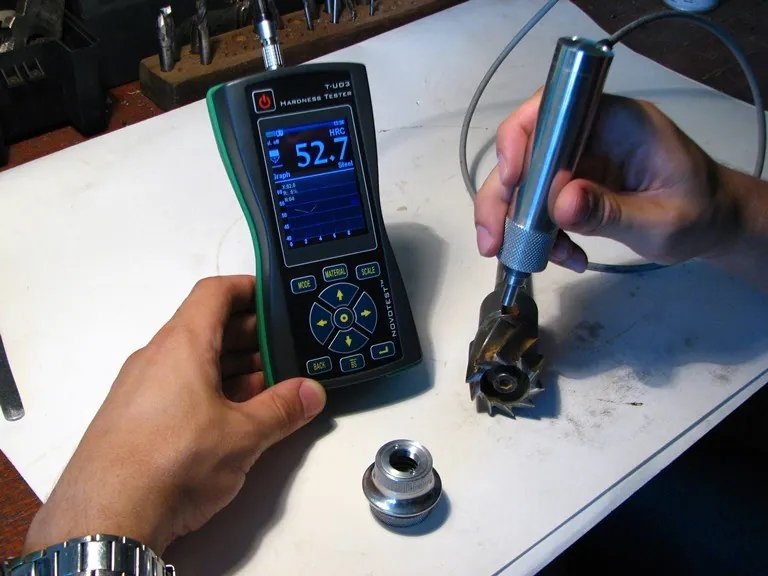
Article Outline
| Başlık Seviyesi | Konu |
|---|---|
| H1 | Electronic Brinell Hardness Tester |
| H2 | Introduction to Electronic Brinell Hardness Testing |
| H3 | What Is an Electronic Brinell Hardness Tester |
| H3 | Evolution from Mechanical to Electronic Systems |
| H2 | Working Principle of Electronic Brinell Hardness Tester |
| H3 | Indentation Process |
| H3 | Electronic Load and Measurement System |
| H2 | Key Components of Electronic Brinell Hardness Tester |
| H3 | Electronic Load Control System |
| H3 | Optical Measurement Unit |
| H3 | Digital Interface and Software |
| H2 | Features of Electronic Brinell Hardness Tester |
| H3 | Precise Load Application |
| H3 | Automated Measurement |
| H3 | Veri Depolama ve Bağlanabilirlik |
| H2 | Advantages of Electronic Brinell Hardness Tester |
| H3 | High Accuracy and Repeatability |
| H3 | Reduced Operator Dependency |
| H3 | Improved Efficiency |
| H2 | Applications of Electronic Brinell Hardness Tester |
| H3 | Metal İmalatı |
| H3 | Metallurgical Research |
| H3 | Heavy Industry |
| H2 | Comparison with Other Hardness Testers |
| H3 | Electronic vs Manual Brinell |
| H3 | Brinell vs Rockwell and Vickers |
| H2 | How to Choose an Electronic Brinell Hardness Tester |
| H3 | Key Technical Parameters |
| H3 | Software and Integration |
| H2 | Bakım ve Kalibrasyon |
| H2 | Future Trends in Electronic Hardness Testing |
| H2 | Sıkça Sorulan Sorular |
| H2 | Sonuç |
Electronic Brinell Hardness Tester: Complete Guide to Advanced Material Testing Technology
Bir electronic brinell hardness tester is a modern testing machine designed to measure the hardness of materials with high precision and efficiency. By integrating electronic load control and digital measurement systems, these testers significantly improve the accuracy and repeatability of traditional hardness testing methods.
The testing method is based on the Brinell Hardness Test, which evaluates hardness by measuring the size of an indentation created by a hardened ball under a specific load. Electronic systems enhance this process through automation and real-time data analysis.
Introduction to Electronic Brinell Hardness Testing
Electronic Brinell hardness testers represent a significant advancement in material testing technology.
What Is an Electronic Brinell Hardness Tester
An electronic Brinell hardness tester is a machine that uses electronically controlled systems to apply load, measure indentation, and calculate hardness values.
Temel özellikler şunlardır:
- Electronic load control
- Digital measurement systems
- Automated calculation of hardness values
- High precision and consistency
Evolution from Mechanical to Electronic Systems
Traditional mechanical testers relied heavily on manual operation, leading to variability in results. Electronic testers have replaced these limitations with:
- Automated load application
- Digital imaging systems
- Integrated software for analysis
This evolution ensures more reliable and repeatable testing outcomes.
Working Principle of Electronic Brinell Hardness Tester ⚙️
The working principle combines traditional indentation methods with electronic precision.
Indentation Process
A hardened steel or tungsten carbide ball is pressed into the material under a controlled load. After a specified dwell time, the load is removed, leaving an indentation.

Electronic Load and Measurement System
The load is applied using electronically controlled actuators, ensuring:
- Consistent force application
- Precise timing
- Azaltılmış operatör etkisi
The indentation is then measured using optical or digital systems, and the hardness value is calculated automatically.
Key Components of Electronic Brinell Hardness Tester
Electronic Brinell testers consist of several advanced components.
Electronic Load Control System
This system ensures accurate and stable load application throughout the test.
Optical Measurement Unit
High-resolution optics or cameras measure the indentation diameter precisely.
Digital Interface and Software
The software system provides:
- Real-time hardness values
- Data storage and analysis
- Reporting and export capabilities
Features of Electronic Brinell Hardness Tester 🌟
Modern electronic testers offer a range of advanced features.
Precise Load Application
Electronic control ensures uniform load application, improving accuracy.
Automated Measurement
Indentation measurement is automated, reducing manual effort.
Veri Depolama ve Bağlanabilirlik
Systems can store and transfer data for quality control and documentation.
Advantages of Electronic Brinell Hardness Tester 🚀
Electronic Brinell testers provide several advantages over traditional systems.
High Accuracy and Repeatability
Electronic control systems ensure consistent and reliable results.
Reduced Operator Dependency
Automation minimizes human error and improves efficiency.
Improved Efficiency
Faster testing and automated reporting increase productivity.
Applications of Electronic Brinell Hardness Tester 🏭
Electronic Brinell hardness testers are widely used in various industries.
Metal İmalatı
Used for testing hardness of metals and alloys during production.
Metallurgical Research
Provides accurate data for material analysis and development.
Heavy Industry
Used for testing large components such as castings and forgings.
Comparison with Other Hardness Testers
Electronic vs Manual Brinell
| Özellik | Manual Tester | Electronic Tester |
|---|---|---|
| Yük Uygulaması | Manual | Electronic |
| Accuracy | Orta düzeyde | High |
| Speed | Slow | Fast |
| Data Handling | Limited | Advanced |
Brinell ve Diğer Sertlik Testleri
Compared to:
- Rockwell Sertlik Testi
- Vickers Sertlik Testi
Brinell testing is ideal for coarse-grained and softer materials.
How to Choose an Electronic Brinell Hardness Tester 🔍
Selecting the right tester involves evaluating key factors.
Key Technical Parameters
Consider:
- Load range
- Indenter size
- Measurement accuracy
- Otomasyon seviyesi
Software and Integration
Ensure compatibility with:
- Quality control systems
- Data management platforms
- Endüstri standartları
Bakım ve Kalibrasyon
Proper maintenance ensures long-term performance.
Routine Maintenance
- Clean optical components
- Inspect indenter condition
- Check system alignment
Kalibrasyon
Use certified reference blocks to maintain accuracy.
Future Trends in Electronic Hardness Testing 🔮
Technology continues to improve hardness testing systems.
AI Integration
Artificial intelligence enhances measurement and analysis.
Bulut Bağlantısı
Data can be accessed remotely for better monitoring.
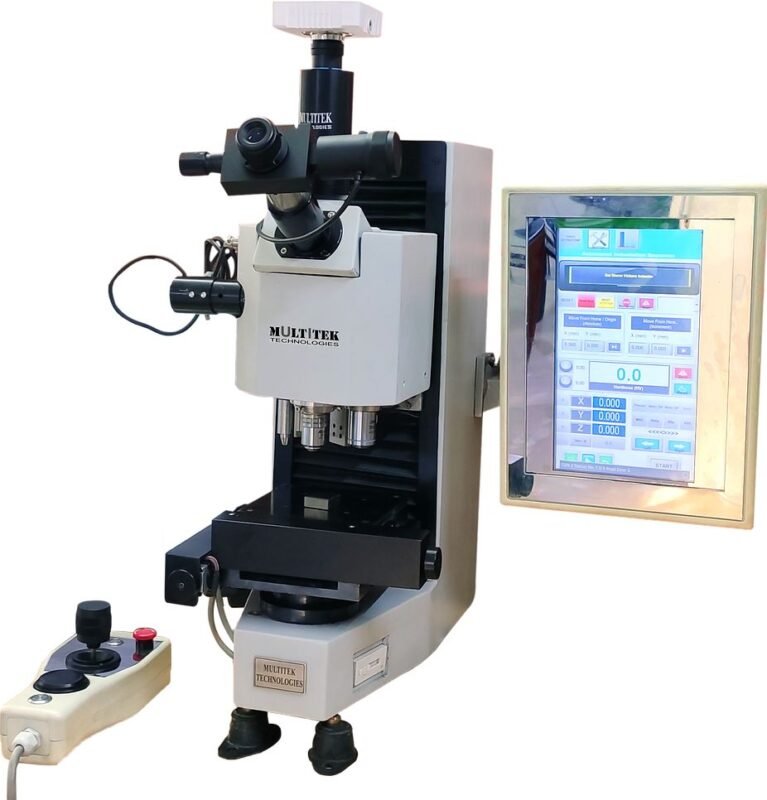
Automation in Production Lines
Machines are integrated into automated manufacturing systems.
Advanced Imaging Technology
Improved cameras provide higher measurement precision.
Sıkça Sorulan Sorular
What is an electronic Brinell hardness tester?
It is a hardness testing machine that uses electronic systems to apply load and measure indentation.
What are the advantages of electronic testers?
They offer higher accuracy, faster testing, and reduced human error.
What materials can be tested?
Soft to medium-hard metals such as cast iron, aluminum, and steel.
How is hardness measured?
By measuring the diameter of the indentation made by a ball indenter.
Is calibration necessary?
Yes, regular calibration ensures accurate results.
How does it differ from digital testers?
Electronic testers focus on load control, while digital testers emphasize measurement and data processing—though many modern machines combine both features.
Sonuç
Bir electronic brinell hardness tester is a powerful tool for modern material testing, combining the reliability of the Brinell Hardness Test with advanced electronic control systems. It provides superior accuracy, efficiency, and data management capabilities, making it essential for industrial and laboratory applications.
As technology advances, electronic Brinell hardness testers will continue to evolve, supporting smarter, faster, and more precise material testing processes across industries.